Edomae tempura
天ぷら Tempura · Tokyo · 23 Special Wards
A deep-frying technique that arrived with the Nanban trade in the 16th century became one of the 'three flavors of Edo' at Edo's street stalls.
Know before you go
- Don't leave freshly fried tempura sitting on the paper without eating it—the batter goes soft
- don't spend a long time taking photos at the counter and hold up the pace of service
- don't lift the tentsuyu bowl and drink from it
This article is Not yet verified. Please check official announcements for prices, opening hours and dates.
Culture
Culture & customs
Background
Tempura is a Japanese dish of seafood and vegetables coated in a thin batter and deep-fried. It is generally believed that in the 16th century the Portuguese brought the Western method of battering and frying to Nagasaki, giving rise to the more heavily seasoned "Nagasaki tempura", which then spread to Kansai and reached Edo after the shogunate was established there. In the Edo period, tempura was mostly fried to order at food stalls (yatai), skewered on bamboo sticks and eaten standing, using Edomae fish and shrimp from the Nihonbashi fish market, and was counted with soba and sushi as the "three flavors of Edo". The word "tenfura" first appears in the Shokudōki, published in 1669. Shop-based tempura restaurants appeared only around the end of the Edo period, and high-end ryotei-style specialty restaurants came after the Meiji era. After the Great Kanto Earthquake, unemployed craftsmen took Edomae tempura to other parts of the country.
Local customs
- Specialist restaurants usually have a counter where the chef places each piece on the paper in front of you as soon as it is fried
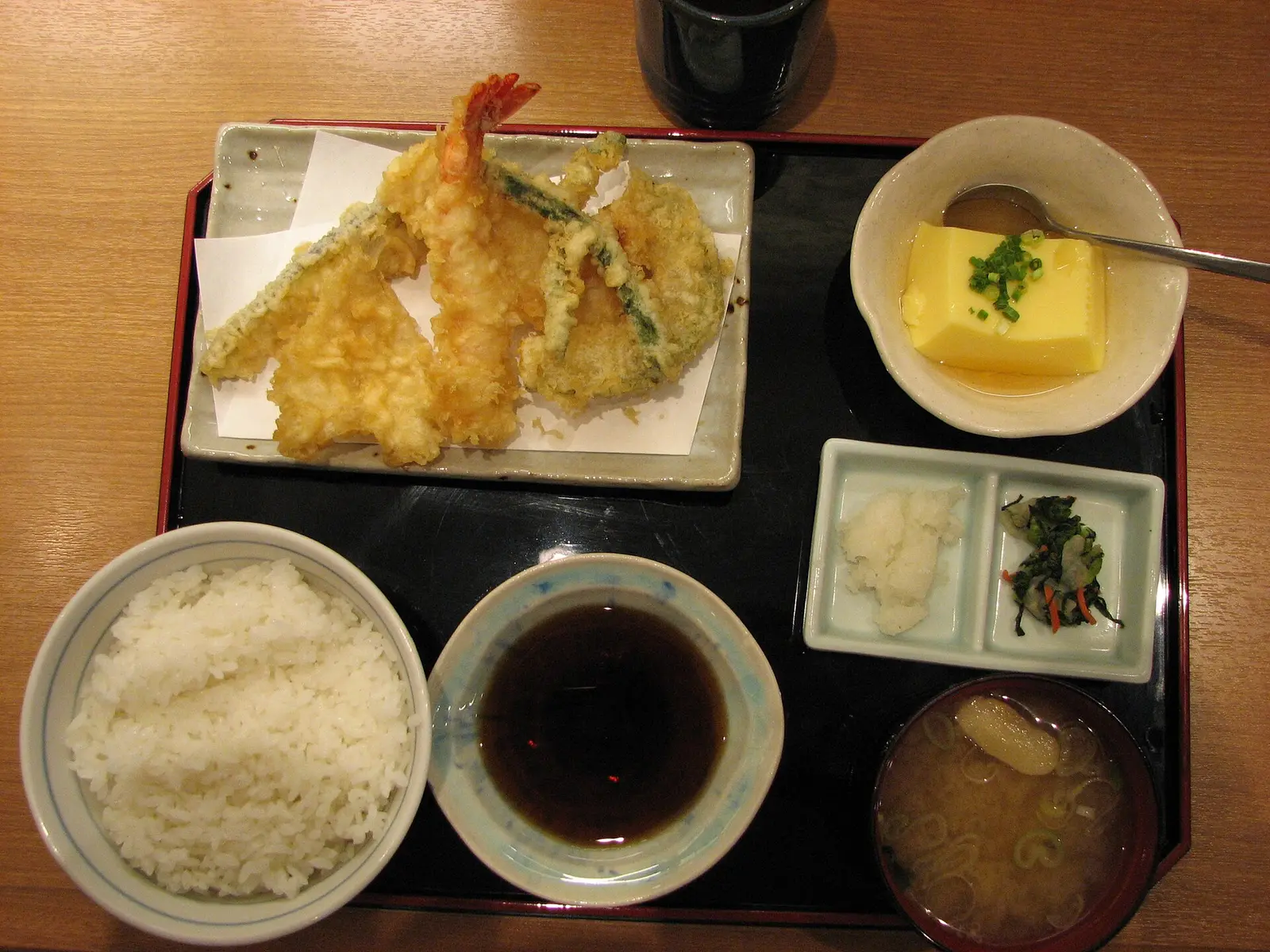
- it is best eaten hot, right away. You can dip it in tentsuyu (with grated daikon) or sprinkle it with salt: delicate fish and vegetables suit salt, while prawns and anago (conger eel) suit tentsuyu. The fried items come in the chef's order, usually finishing with tendon, tencha or rice with miso soup.
Religion & beliefs
- Tempura itself has no direct connection with religion
- however, "shojin-age", fried vegetables without fish or meat, comes from the shojin ryori (vegetarian cuisine) of Buddhist temples and can be found around temples and at vegetarian restaurants. In the Edo period, tempura was a street-stall snack of the townspeople, with no fixed link to visits to temples and shrines.
Etiquette & taboos
Etiquette & taboos
Rules that apply here
No photography and no eating or drinking in the permanent gallery of the Okinawa Prefectural Peace Memorial Museum
Do
- Put away your camera, food and drinks before entering the permanent gallery
- For the special exhibition gallery and the children's gallery, check the notices of the day to see whether photography is allowed
- If you need to eat or drink, go to the areas designated by the museum, such as the outdoor colonnade
Don’t
- Do not take photos or videos in the permanent gallery
- Do not eat or drink in the permanent gallery, and do not have meals in other areas of the museum either
- Do not extend the permanent gallery's photo ban into a photo ban across the entire park
The museum's 2026 visitor guide explicitly prohibits photography, eating and drinking in the permanent gallery and asks visitors to check the restrictions for other galleries separately; follow the museum's instructions on site.
Not yet verifiedSource: Okinawa Prefectural Peace Memorial Museum: FY2026 visitor guide, page 6
Japan: At fireworks festivals, don't tape off spots in advance, and never fly drones
Do
- Spread your sheet where there is actual space when you arrive, leaving room for neighbours
- Follow police and staff directions and move with the crowd
- Bring plenty of water and cooling gear to prevent heatstroke
- Riverbanks have lots of insects, so bring repellent
- Festivals usually go ahead in light rain, so bring a raincoat
- Take your rubbish home
Don’t
- Don't mark spots in advance with tape or spray paint on roads or in parks
- Don't fly drones
- Don't use selfie sticks in crowds; the Sumida River festival bans them
- Don't stop in the middle of the path to watch and block the flow
Spots marked in advance are cleared by the organisers, and flying drones is prohibited by law. City-centre festivals run one-way crowd flows, and going against the flow or stopping can cause dangerous crushes.
Verified Oct 19, 2026Source: Excite News: Sumida River Fireworks, access and viewing guide
Mixed, open-air and private baths: read the signs, don't stare, never take photos
Do
- Check the signs before entering; mixed baths are clearly marked, and joining is entirely your choice
- Most mixed baths are nude only, with no swimwear; some allow or lend special bathing wraps or towels, so follow the bath's rules
- If you prefer not to bathe mixed, use the separate men's and women's baths or a private bath
- Outdoor baths are slippery and the temperature changes sharply; hold the handrails when moving
- Use a private bath only within your booked slot and leave on time
- Tohoku and other regions still have many therapeutic hot springs with mixed bathing; for long therapeutic stays, follow the ryokan's and your doctor's advice
Don’t
- Don't stare at other bathers, strike up conversations, or linger to watch
- Don't take photos or videos in the bath area
- Don't overstay a private bath; the next group is waiting
Mixed bathing works only because bathers keep their eyes to themselves; staring or taking photos will get you asked to leave, and filming others in a bath may break local law.
Verified Oct 19, 2026Source: Wikipedia (Japanese): Konyoku
Stay off private land, and ask before photographing children or people
Do
- Ask parents' permission before photographing their children
- Ask geiko, maiko, and other working people before photographing them
- Check for 撮影禁止 (no photography) signs, and ask staff if there are none
- Photograph trains and stations themselves without disrupting operations
Don’t
- Do not enter private homes or land for a shot
- Do not photograph the inside of homes
- Do not aim your camera at individual passengers on trains or buses
- Do not step into rice paddies, flower beds, or along railway tracks for photos
- Do not use selfie sticks or tripods in crowds or dangerous spots
- Do not chase or stop geiko or maiko
Trespassing on private land is illegal and can get you told to leave or to delete your photos. Shooting in no-photo areas will be stopped, and photographing children is seen as an invasion of privacy.
Verified Oct 19, 2026Source: Aichi Now: Sightseeing Manners
Bathe nude in the onsen and keep your towel out of the water
Do
- Bathe fully nude, without swimwear or underwear
- Rest your small towel on your head or the edge of the bath
- Tie up long hair so it stays out of the water
- Enter the bath slowly and keep quiet
- Leave your phone in the locker
- Keep your first soak short, and dry off before returning to the changing room
Don’t
- Do not dip your towel into the bath
- Do not swim, dive, or talk loudly in the bath
- Do not take photos anywhere in the bathing area
- Do not wrap your yukata right side over left; that is how the deceased are dressed
Most of these are written bathhouse rules. Breaking them gets you a reminder from staff, and in serious cases you may be asked to leave. Soaking too long can also make you dizzy.
Verified Oct 19, 2026Source: Authentic Local Japan: Onsen Etiquette
Don’t DON'T
- Don't leave freshly fried tempura sitting on the paper without eating it—the batter goes soft
- don't spend a long time taking photos at the counter and hold up the pace of service
- don't lift the tentsuyu bowl and drink from it
- don't sit at the counter wearing heavy makeup or strong perfume—it keeps others from smelling the sesame oil.
Locals appreciate DO
- Counter chefs appreciate guests who eat right away and don't let the fried food go cold
- leaving the order to the chef with “omakase” is also seen as a sign of trust in their skill
- saying “gochisōsama deshita” when you finish is much appreciated.
Plan your visit
Practical info
Travel tips
- Tempura in Tokyo ranges from tendon bowls costing a few hundred yen and kakiage at stand-up soba shops to counter courses that require a reservation, so prices vary widely. For the traditional Edomae style, try the long-established restaurants around Asakusa, Nihonbashi and Ginza
- for a cheaper taste, have tendon or tempura soba. Specialist counters have few seats and dinner usually needs to be booked in advance, while lunch courses are generally easier to reserve. Dietary notes: tempura is deep-fried and contains wheat flour and egg (in the batter), so people allergic to gluten, eggs or shellfish should tell the restaurant in advance
- some places fry in sesame oil, so people with sesame allergies should say so too. You can combine it with a stroll around Senso-ji and Nihonbashi. Prices and opening hours are set by each restaurant
- popular old establishments often have queues, so going outside peak mealtimes is more relaxed.
Photos
Photos
Ian Muttoo · CC BY-SA 2.0
Naotake Murayama · CC BY 2.0
Sources & verification notes
How do you like this place?
More nearby
Also in Tokyo
Nearby sights
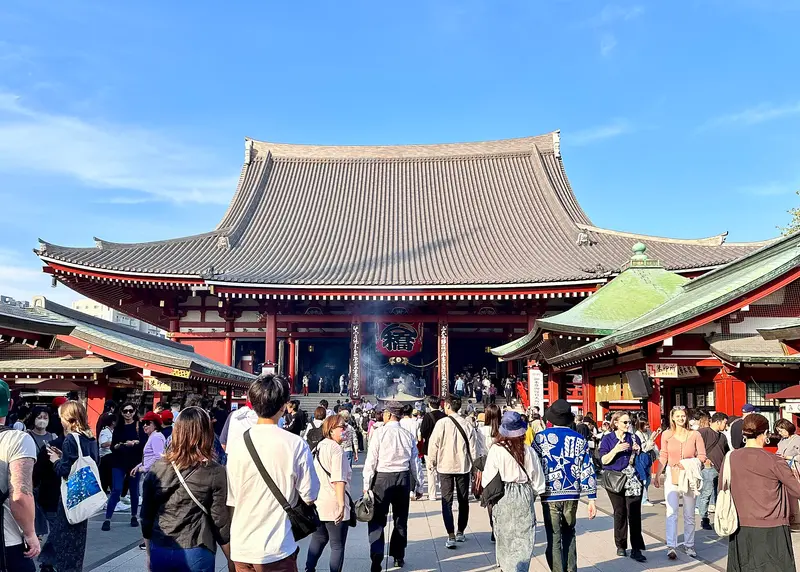
Sensō-ji
Beneath the great lantern of the Kaminarimon: where Edo charm meets Tokyo's everyday bustle
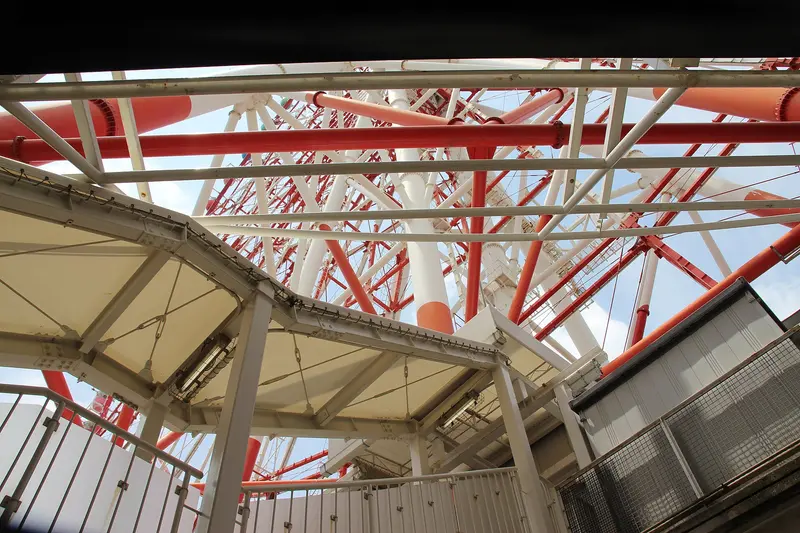
teamLab Borderless Azabudai
'A museum without a map': light flowing, merging and being reborn in a borderless space
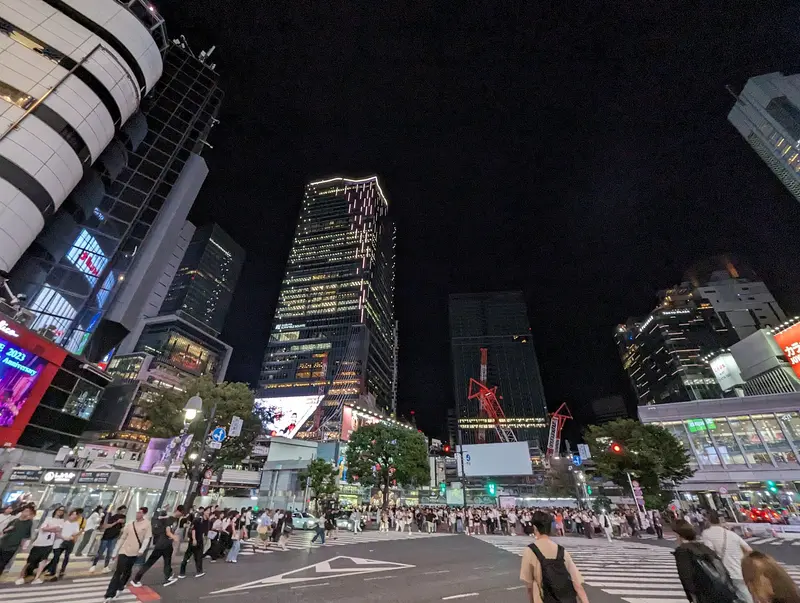
Shibuya Crossing
Three thousand people cross on a single green light: urban performance art at the world's busiest crossing
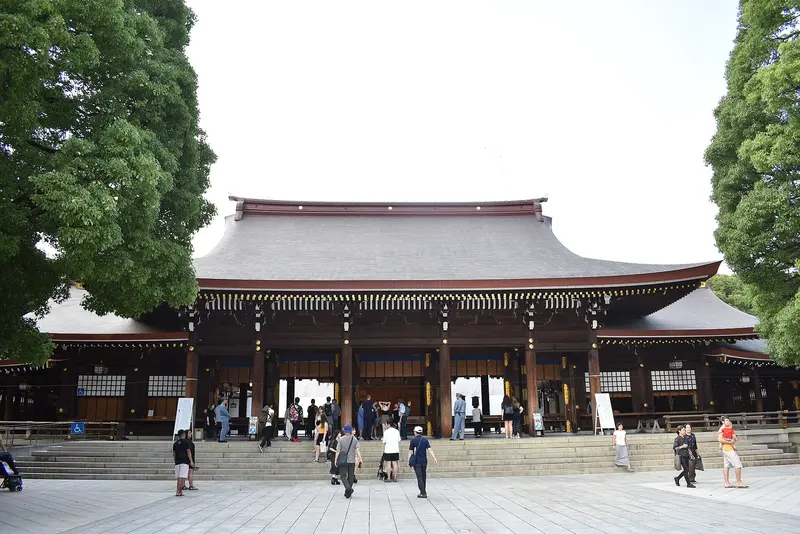
Meiji Jingū
A 700,000-m² 'urban forest' in the middle of the city, a tranquil sanctuary of Shinto culture
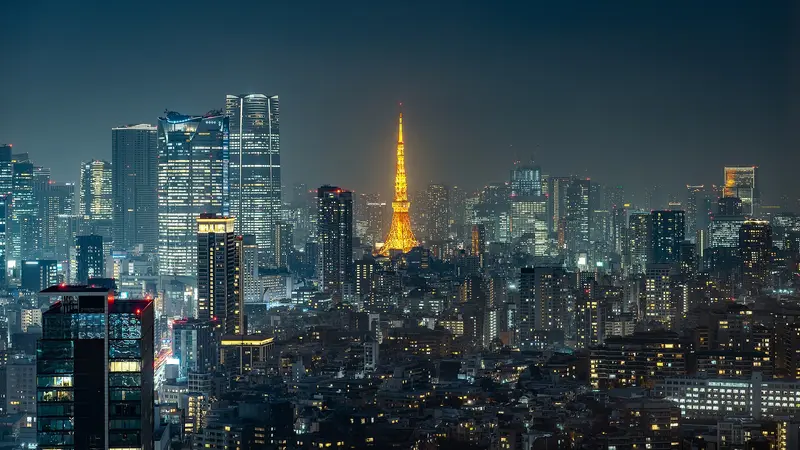
Tokyo Tower
The 333-m 'red tower of Shōwa', an undying romantic beacon for generations of Japanese
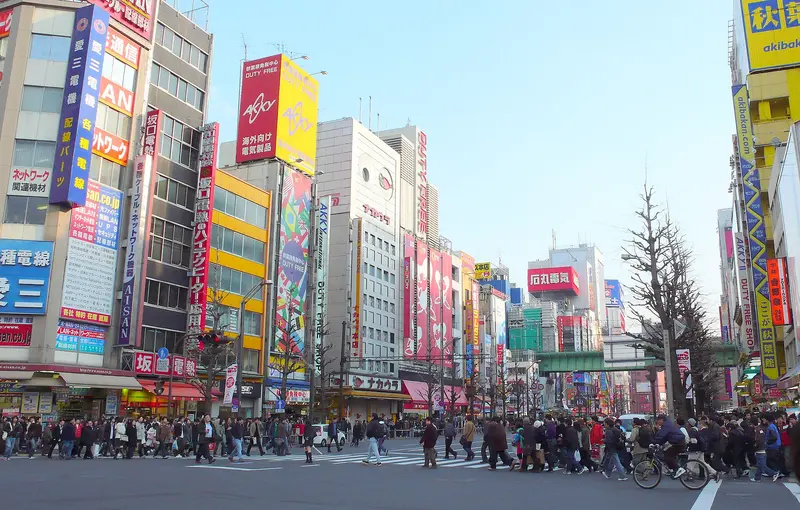
Akihabara Electric Town
An 'Electric Town' that 'changed careers' from post-war electrical black market to otaku mecca — the spiritual homeland of anime and manga devot…