Venetian Squid Ink Dishes
Nero di seppia · Venice, Italy
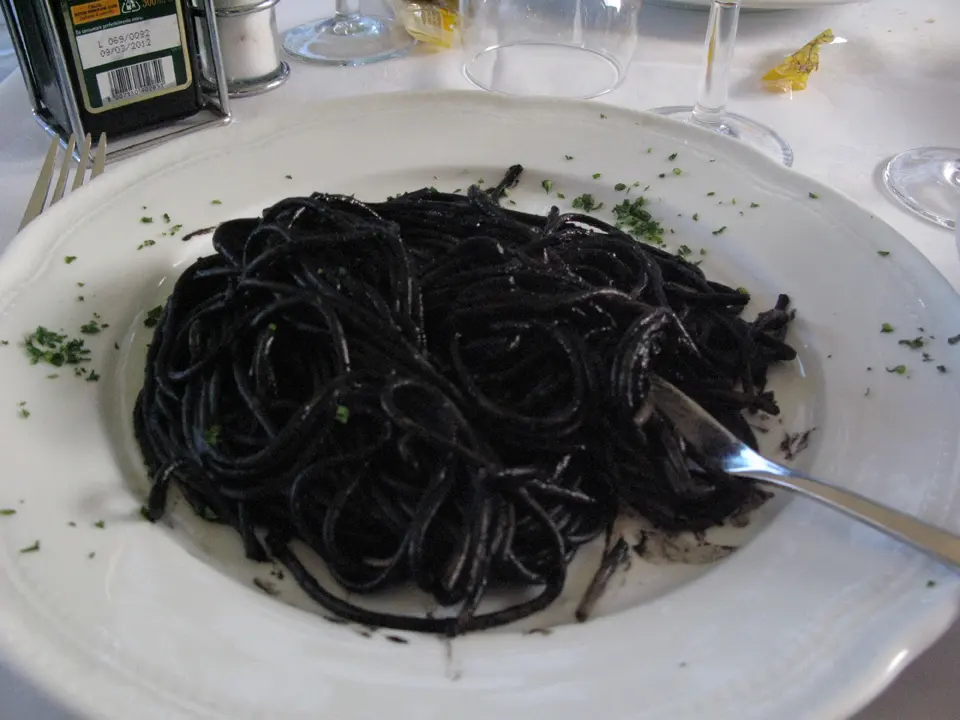
Cuttlefish ink dyes the pasta and rice jet black, the signature color of Venetian lagoon seafood cooking.
Know before you go
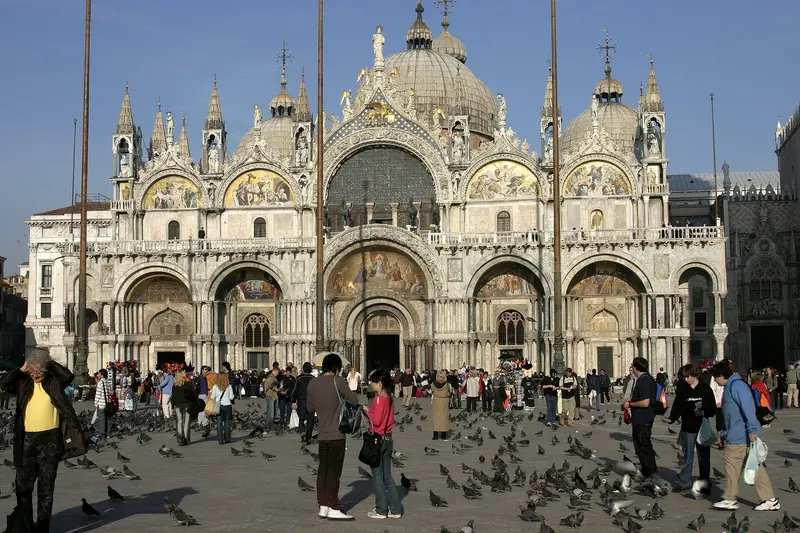
- Do not sit and eat on steps or bridges around St Mark's Square (Venice has bans on this and you may be fined)
- do not choose a restaurant with touts just from its photo menu, but first check prices and whether there is a cover charge
- do not be careless when eating squid-ink dishes in light-colored clothes (ink is very hard to wash out).
This article is Not yet verified. Please check official announcements for prices, opening hours and dates.
Culture
Culture & customs
Background
'Cuttlefish ink' (nero di seppia) is the ink secreted by cuttlefish, taken from the ink sac inside the animal; its dark brown, almost black color comes from melanin, and in cooking it is used as a natural coloring and seasoning. English Wikipedia notes that squid and cuttlefish are common ingredients in Venetian cuisine, and so is cuttlefish ink. Italian Wikipedia records a traditional Venetian dish, 'sepe col nero': cuttlefish stewed in olive oil, garlic, parsley, white wine and its own ink, often served with polenta; cuttlefish-ink risotto is also a dish of Venice and Tuscany, and Catalonia's black rice and Croatia's black risotto are similar. Squid-ink pasta is common on the menus of Venetian restaurants, but Italian Wikipedia specifically points out that it is especially typical of Sicilian cuisine and not unique to Venice.
Local customs
- Cuttlefish stewed in its ink with white polenta is a classic at Venetian osterie
- squid ink pasta and risotto are generally eaten as the first course (primo), followed by a fish main course
- your teeth and lips will be temporarily stained black afterwards, which locals take in stride — a sip of water or a bit of bread after the meal will do.
Religion & beliefs
- Squid ink dishes have nothing to do with religion in themselves
- in Catholic tradition fish and seafood are often eaten on Fridays and during Lent, so cuttlefish and other seafood dishes are common on Venetian family tables. Seafood dishes are also common at family meals during traditional festivals such as Venice's Festa del Redentore.
Etiquette & taboos
Etiquette & taboos
Rules that apply here
Italy: Cover shoulders and knees in churches – the Vatican turns away those who do not
Do
- Cover your shoulders and knees, whether you are a man or a woman
- Take off your hat before going in
- Carry a scarf or cardigan and put it on before entering
- Switch your phone to silent and keep quiet
- Smaller churches vary: follow the notices and staff
Don’t
- Don't wear sleeveless or low-cut tops, shorts above the knee or miniskirts
- Don't walk around or take photos during Mass
The Vatican Museums, Sistine Chapel and St Peter's Basilica admit only appropriately dressed visitors and check at the door, so you can be stopped even after queuing; other major cathedrals often check too.
Verified Oct 19, 2026Source: Official site: Vatican Museums – Useful advice
Rome's Spanish Steps: no sitting, eating or drinking
Do
- Walk up the steps and keep moving after your photo
Don’t
- Sitting, resting, eating or drinking on the steps
Banned by Rome's urban police regulations since 2019; media report fines of €250, rising to €400 for dirtying or damaging the steps.
Verified Oct 19, 2026Source: ANSA: Rome bans sitting on the Spanish Steps (2019)
Don’t DON'T
- Do not sit and eat on steps or bridges around St Mark's Square (Venice has bans on this and you may be fined)
- do not choose a restaurant with touts just from its photo menu, but first check prices and whether there is a cover charge
- do not be careless when eating squid-ink dishes in light-colored clothes (ink is very hard to wash out).
Locals appreciate DO
- Venetians appreciate guests who choose lagoon seafood and eat slowly to the rhythm of "antipasto — primo — secondo"
- standing in a bacaro (wine bar) with a glass of wine and a plate of small bites (cicchetti) is also a good way to blend in.
Plan your visit
Practical info
Travel tips
- Around the Rialto Market, Cannaregio and Dorsoduro there are many local trattorias and bacari (wine bars), and a meal takes a little over an hour. Seeing "coperto" (cover charge) and a service charge is normal
- check the bill before paying. You can combine it with the Rialto Bridge, the fish market (closed Mondays
- check official announcements) and day trips to Burano and Murano. Dietary notes: cuttlefish is a mollusk, so it is not suitable for those allergic to mollusks or seafood
- dishes often use white wine and garlic
- pasta contains gluten, and polenta is gluten-free but depends on how each restaurant actually makes it. Prices and opening hours are as set by each restaurant
- popular long-established places often have queues, so going outside mealtimes is more relaxed.
How do you like this place?
More nearby