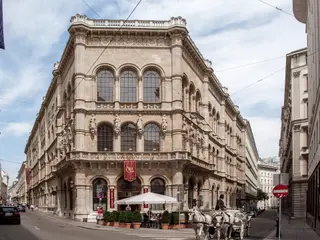
Wiener Schnitzel
Wiener Schnitzel · Vienna, Austria
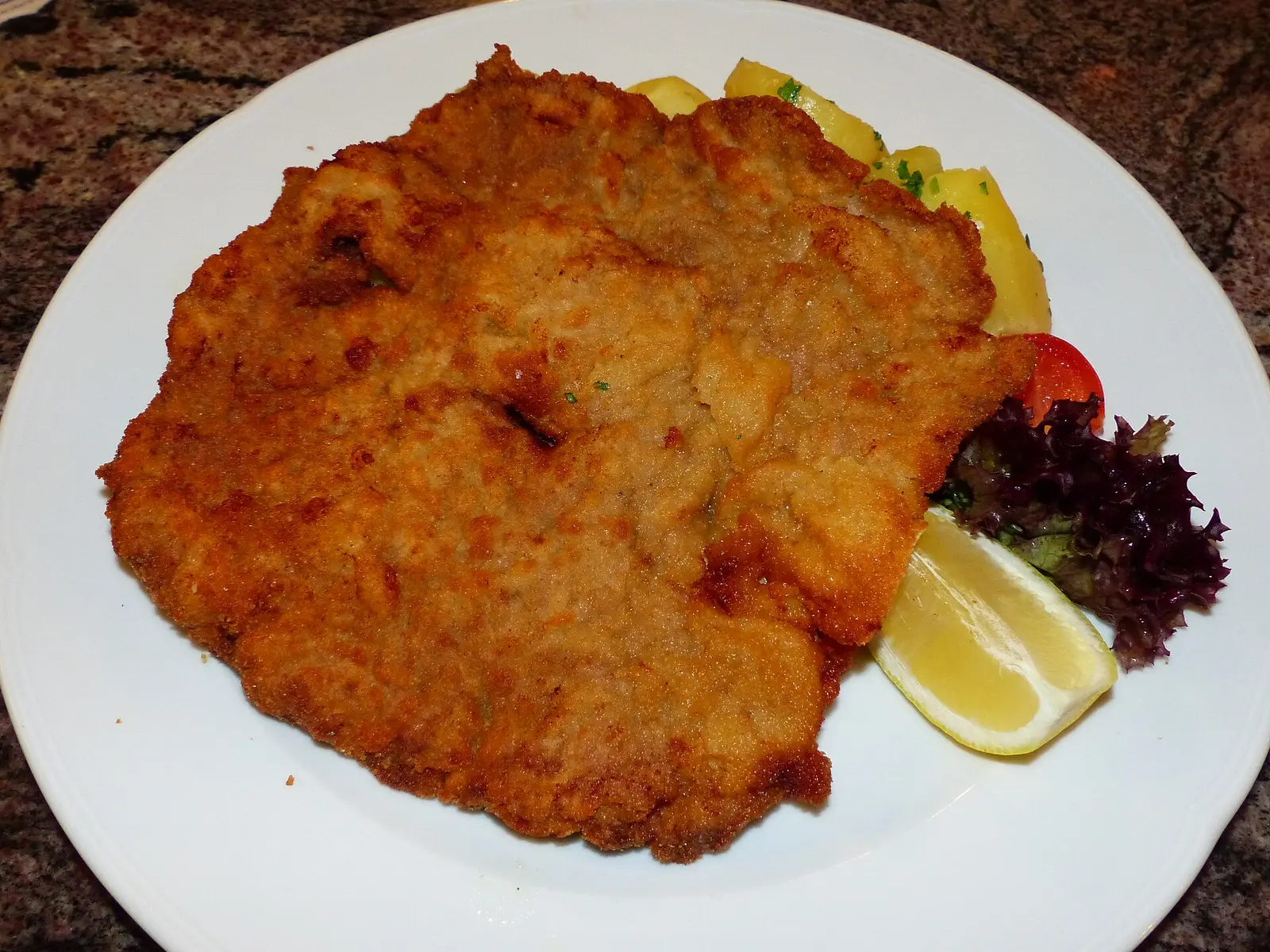
Veal pounded thin, coated in breadcrumbs and fried golden; only the version made with veal may bear this name.
Know before you go
- Don't complain that you've been cheated when you get the pork version instead of the authentic veal one—check how the menu describes it first
- don't pour ketchup or other sauces over the schnitzel (locals only squeeze lemon on it)
- don't call loudly for the waiter in a Viennese café—just wait patiently
This article is Not yet verified. Please check official announcements for prices, opening hours and dates.
Culture
Culture & customs
Background
Wiener Schnitzel is veal pounded thin, coated in flour, egg and breadcrumbs and fried in fat; it is one of the most famous specialties of Viennese cuisine and one of Austria's national dishes. According to English Wikipedia, the earliest evidence of a similar method comes from Nuremberg: the 1691 Nuremberg cookbook has a recipe for flattened slices of partridge coated in egg, flour and breadcrumbs and fried. The name "Wiener Schnitzel" first appears in an 1831 cookbook. A popular story says Field Marshal Radetzky brought the recipe from Italy to Vienna in 1857, but linguist Heinz-Dieter Pohl considers this a later invention: the story first appeared in an Italian food book in 1869. The Austrian National Tourist Office says the key to a light, crisp fry is clarified butter. In Austria and Germany the name "Wiener Schnitzel" is legally protected and must be made with veal.
Local customs
- It is traditionally served with a lemon slice, squeezed over before eating
- sides are usually potato salad, parsley potatoes or cucumber salad, sometimes with lingonberry jam
- the coating should puff slightly away from the meat in waves rather than clinging to it, a sign it has been fried well.
Religion & beliefs
- Wiener Schnitzel has nothing to do with religion
- it is the signature dish of Vienna's traditional taverns (Beisl) and cafés, and often appears at Sunday family lunches. It is not bound by any particular religious dietary rule, but if it is fried in lard or you order the pork version, those who do not eat pork should check in advance.
Etiquette & taboos
Etiquette & taboos
Rules that apply here
Austria: Private photos are allowed in museums, but no flash, tripods or selfie sticks
Do
- Check for no-photo signs as you enter each room
- Stay at least one metre from the exhibits
- Check coats, umbrellas, backpacks and large bags first
- Apply to the press office for academic or journalistic shoots
Don’t
- Don't use flash, tripods, selfie sticks or drones
- Don't photograph other visitors, especially children
- Don't photograph security measures
- Don't make loud phone calls in the galleries
At the Belvedere, for example, the house rules state that anyone breaking them or ignoring staff can be refused entry or asked to leave without a refund. Temporary exhibitions are often stricter because of lenders' conditions.
Verified Oct 19, 2026Source: Official site: Belvedere house rules
Austria: In a Viennese coffee house, one coffee buys you as long as you like
Do
- Find a seat yourself and wait for the waiter to take your order
- Order a classic such as a Melange or an Einspänner
- Drink the glass of water served with your coffee – it is often refilled
- Read the papers, chat or write postcards at your own pace
- Ask for the bill only when you are ready to leave
Don’t
- Don't wait for the bill to be brought unasked
- Don't mistake the waiter's reserve for rudeness
- Don't linger without ordering when people are queuing outside
Viennese coffee house culture was added to Austria's inventory of intangible cultural heritage in 2011, and its tradition is that you consume time and space while only the coffee appears on the bill; not knowing the custom has no penalty – you will just wait for a bill that never comes.
Verified Oct 19, 2026Source: Official site: Austrian Commission for UNESCO: Viennese coffee house culture
Don’t DON'T
- Don't complain that you've been cheated when you get the pork version instead of the authentic veal one—check how the menu describes it first
- don't pour ketchup or other sauces over the schnitzel (locals only squeeze lemon on it)
- don't call loudly for the waiter in a Viennese café—just wait patiently
- don't forget the tipping custom (usually round up the bill or add 5% to 10%).
Locals appreciate DO
- Viennese appreciate guests who can tell "Wiener Schnitzel" (veal) from "Wiener Art" or "vom Schwein" (pork)
- praising the crisp coating in a traditional Beisl will please the owner.
Plan your visit
Practical info
Travel tips
- Schnitzel is served at traditional taverns and cafés in Vienna's old town and every district
- a meal takes about an hour, and popular old restaurants need dinner reservations. When ordering, check whether it is "vom Kalb" (veal) or "vom Schwein" (pork)—the price difference is considerable. Can be combined with St. Stephen's Cathedral, the Naschmarkt and Schönbrunn Palace. Dietary note: the coating contains wheat and egg and is often fried in butter or lard, so those with dairy allergies or who avoid lard should ask
- the pork version is unsuitable for travelers who do not eat pork
- the potato salad is usually dressed with vinegar and onion. Prices and opening hours are as set by each restaurant
- popular old restaurants often have queues, so avoiding peak mealtimes is more relaxed.
How do you like this place?
More nearby
Also in Vienna
Nearby sights
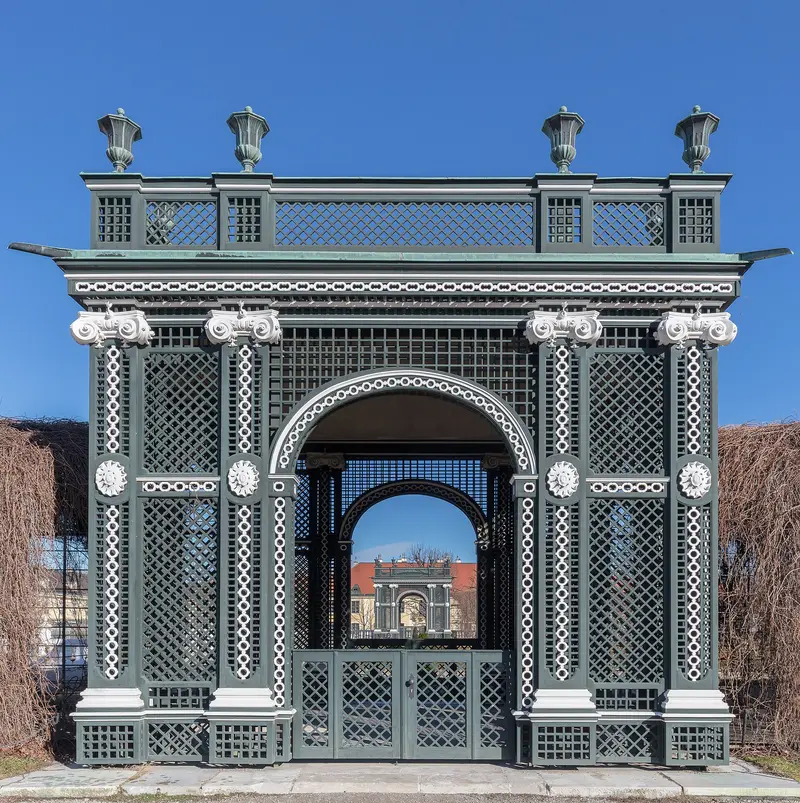
Schönbrunn Palace
The Habsburgs' summer palace: an imperial dream of 1,441 rooms

Belvedere
The Upper and Lower Belvedere and their French Baroque garden form a complete palace ensemble, and the Upper Belvedere's permanent collection ho…
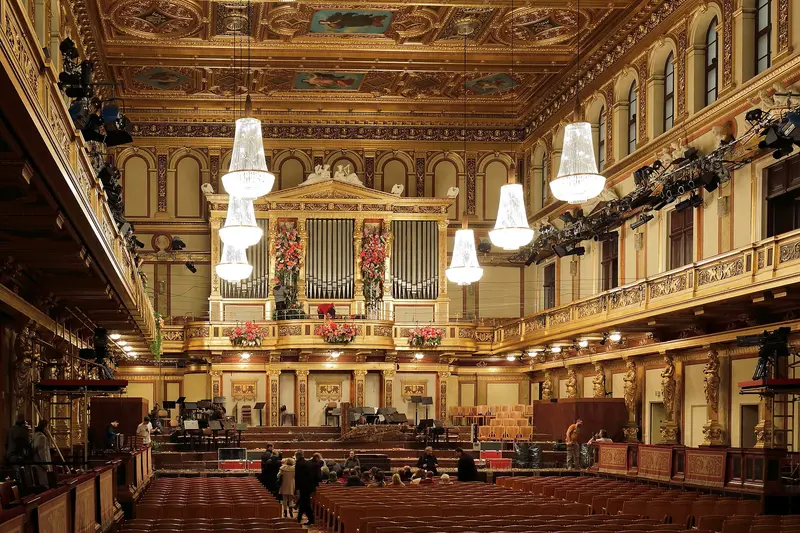
Musikverein Golden Hall
The great hall of the Vienna Musikverein and home of the annual Vienna New Year's Concert; its gilded wooden shoebox interior is famed for its a…
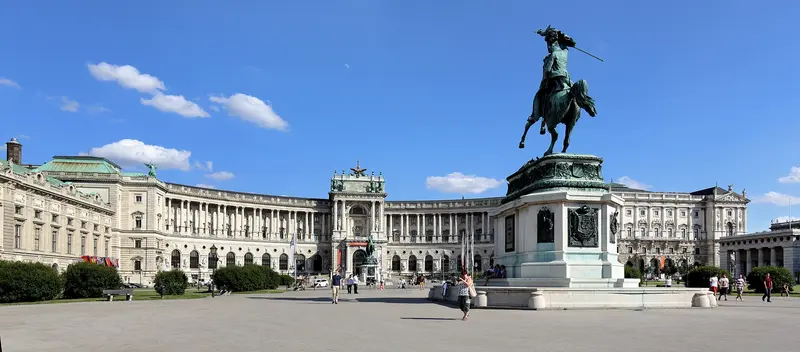
Hofburg Palace
The Habsburgs' principal palace and winter residence in Austria, a seat of power for more than seven centuries; the imperial insignia of the Tre…
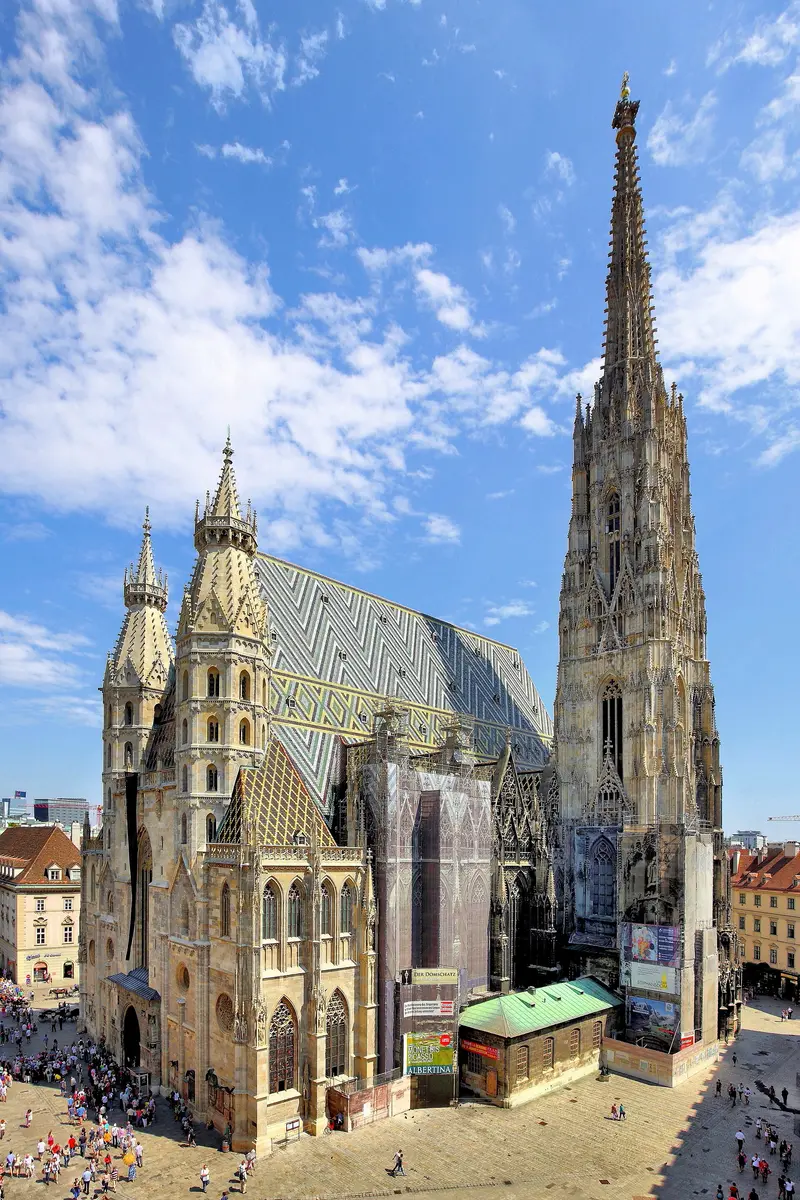
St Stephen's Cathedral
A Viennese landmark with a coloured tiled roof, witness to many great events in Habsburg and Austrian history.