
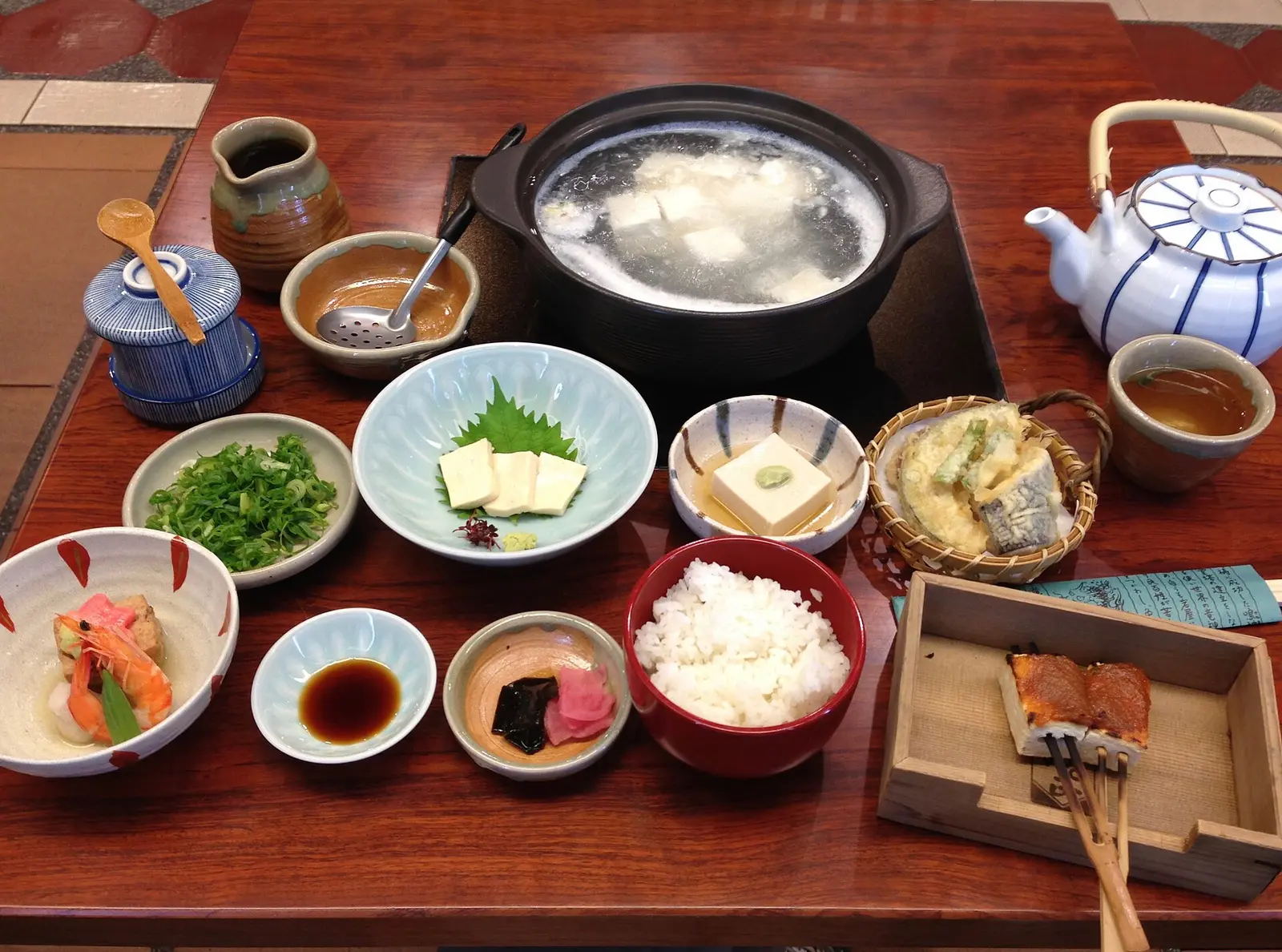
Kyoto yudofu (simmered tofu)
湯豆腐 Yudōfu · Kyoto City, Kyoto Prefecture
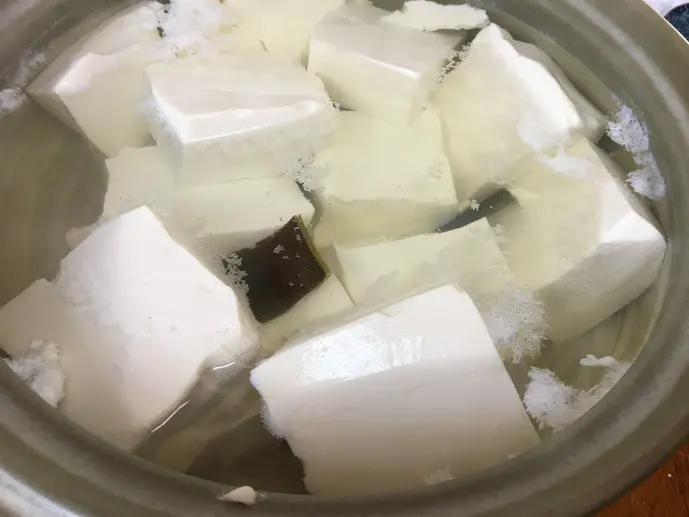
A block of tofu, a piece of kombu and a pot of plain water; it is said to have originated around Nanzen-ji.
Know before you go
- Do not talk loudly in shops within temple grounds or step onto tatami with your shoes on
- do not scoop all the tofu out of the pot at once to cool
- do not pour leftover sauce back into the pot
This article is Not yet verified. Please check official announcements for prices, opening hours and dates.
Culture
Culture & customs
Background
Yudofu is a hot pot dish made with tofu: a sheet of kombu is laid in the pot, tofu and water are added and heated, and when the tofu is warm it is lifted out and dipped in a seasoned sauce. The sauce is usually soy sauce, or soy sauce mixed with sake, mirin and dashi, and ponzu is also common; condiments include spring onion, yuzu peel, grated daikon and bonito flakes. Japanese Wikipedia records that the birthplace of yudofu is generally thought to be the area around Nanzen-ji in Kyoto, and today it is found throughout Japan. It is mostly eaten in winter and is a winter seasonal word (kigo) in haiku. Kyoto has soft water and many tofu shops, and around Nanzen-ji and Tenryu-ji in Sagano there are long-established restaurants specialising in yudofu, often served as set meals with side dishes such as sesame tofu and dengaku.
Local customs
- Scoop out the tofu as soon as it wobbles slightly and is just heated through, since cooking it too long makes it firm and full of holes
- use the special small strainer ladle to lift it into your own bowl, then pour on the sauce and add condiments
- set meals usually start with small side dishes, the yudofu simmers in a pot on the table for you to eat slowly, and rice and pickles come at the end.
Religion & beliefs
- Yudofu around Nanzen-ji and Tenryū-ji is closely tied to the shōjin ryōri (Buddhist vegetarian cuisine) tradition of Zen temples
- many restaurants stand at temple gates or inside sub-temples, and menus are mainly vegetarian, ideal if you want a light vegetarian meal. Restaurants inside sub-temples are still within religious sites, so dress appropriately when dining.
Etiquette & taboos
Etiquette & taboos
Rules that apply here
No photography and no eating or drinking in the permanent gallery of the Okinawa Prefectural Peace Memorial Museum
Do
- Put away your camera, food and drinks before entering the permanent gallery
- For the special exhibition gallery and the children's gallery, check the notices of the day to see whether photography is allowed
- If you need to eat or drink, go to the areas designated by the museum, such as the outdoor colonnade
Don’t
- Do not take photos or videos in the permanent gallery
- Do not eat or drink in the permanent gallery, and do not have meals in other areas of the museum either
- Do not extend the permanent gallery's photo ban into a photo ban across the entire park
The museum's 2026 visitor guide explicitly prohibits photography, eating and drinking in the permanent gallery and asks visitors to check the restrictions for other galleries separately; follow the museum's instructions on site.
Not yet verifiedSource: Okinawa Prefectural Peace Memorial Museum: FY2026 visitor guide, page 6
Japan: At fireworks festivals, don't tape off spots in advance, and never fly drones
Do
- Spread your sheet where there is actual space when you arrive, leaving room for neighbours
- Follow police and staff directions and move with the crowd
- Bring plenty of water and cooling gear to prevent heatstroke
- Riverbanks have lots of insects, so bring repellent
- Festivals usually go ahead in light rain, so bring a raincoat
- Take your rubbish home
Don’t
- Don't mark spots in advance with tape or spray paint on roads or in parks
- Don't fly drones
- Don't use selfie sticks in crowds; the Sumida River festival bans them
- Don't stop in the middle of the path to watch and block the flow
Spots marked in advance are cleared by the organisers, and flying drones is prohibited by law. City-centre festivals run one-way crowd flows, and going against the flow or stopping can cause dangerous crushes.
Verified Oct 19, 2026Source: Excite News: Sumida River Fireworks, access and viewing guide
Mixed, open-air and private baths: read the signs, don't stare, never take photos
Do
- Check the signs before entering; mixed baths are clearly marked, and joining is entirely your choice
- Most mixed baths are nude only, with no swimwear; some allow or lend special bathing wraps or towels, so follow the bath's rules
- If you prefer not to bathe mixed, use the separate men's and women's baths or a private bath
- Outdoor baths are slippery and the temperature changes sharply; hold the handrails when moving
- Use a private bath only within your booked slot and leave on time
- Tohoku and other regions still have many therapeutic hot springs with mixed bathing; for long therapeutic stays, follow the ryokan's and your doctor's advice
Don’t
- Don't stare at other bathers, strike up conversations, or linger to watch
- Don't take photos or videos in the bath area
- Don't overstay a private bath; the next group is waiting
Mixed bathing works only because bathers keep their eyes to themselves; staring or taking photos will get you asked to leave, and filming others in a bath may break local law.
Verified Oct 19, 2026Source: Wikipedia (Japanese): Konyoku
Kyoto Gion: no photos on private lanes, and do not chase geiko or maiko
Do
- Keep to public streets such as Hanamikoji-dori
- Check the sign at the entrance before entering any lane
- Photograph general street scenes from public streets
- To see maiko perform, book an ozashiki banquet or a show
- Treat Gion as a neighborhood where people live
Don’t
- Do not enter private lanes posted with no-photo signs
- Do not shoot into a private lane from its entrance
- Do not chase, surround, or stop geiko and maiko for photos
- Do not pull at their kimono sleeves or hems
The private-lane photo ban has been enforced since 2019 by an association of Gion residents and shop owners. Signs state a 10,000 yen charge for violations, but accounts differ on whether it can be enforced; the posted amount applies. Violators are asked on the spot to leave.
Verified Oct 19, 2026Source: Sumimasen Guide: Kyoto Gion Private Lanes Photo Rules
Stay off private land, and ask before photographing children or people
Do
- Ask parents' permission before photographing their children
- Ask geiko, maiko, and other working people before photographing them
- Check for 撮影禁止 (no photography) signs, and ask staff if there are none
- Photograph trains and stations themselves without disrupting operations
Don’t
- Do not enter private homes or land for a shot
- Do not photograph the inside of homes
- Do not aim your camera at individual passengers on trains or buses
- Do not step into rice paddies, flower beds, or along railway tracks for photos
- Do not use selfie sticks or tripods in crowds or dangerous spots
- Do not chase or stop geiko or maiko
Trespassing on private land is illegal and can get you told to leave or to delete your photos. Shooting in no-photo areas will be stopped, and photographing children is seen as an invasion of privacy.
Verified Oct 19, 2026Source: Aichi Now: Sightseeing Manners
Bathe nude in the onsen and keep your towel out of the water
Do
- Bathe fully nude, without swimwear or underwear
- Rest your small towel on your head or the edge of the bath
- Tie up long hair so it stays out of the water
- Enter the bath slowly and keep quiet
- Leave your phone in the locker
- Keep your first soak short, and dry off before returning to the changing room
Don’t
- Do not dip your towel into the bath
- Do not swim, dive, or talk loudly in the bath
- Do not take photos anywhere in the bathing area
- Do not wrap your yukata right side over left; that is how the deceased are dressed
Most of these are written bathhouse rules. Breaking them gets you a reminder from staff, and in serious cases you may be asked to leave. Soaking too long can also make you dizzy.
Verified Oct 19, 2026Source: Authentic Local Japan: Onsen Etiquette
Don’t DON'T
- Do not talk loudly in shops within temple grounds or step onto tatami with your shoes on
- do not scoop all the tofu out of the pot at once to cool
- do not pour leftover sauce back into the pot
- when dining in a temple sub-temple, do not wander into closed areas to take photos.
Locals appreciate DO
- The old restaurants in front of the temple appreciate guests who dine quietly and savor the natural flavor of the tofu
- talking softly in a tatami room overlooking the garden and enjoying the view is considered the proper way to enjoy yudofu. When ordering a set meal, ask first which side dishes use fish stock—the staff will answer carefully.
Plan your visit
Practical info
Travel tips
- Yudofu restaurants are most concentrated along the approach to Nanzen-ji and around Tenryū-ji in Sagano, so you can fit a meal into the same half day as your temple visit and garden viewing
- a meal takes about an hour. Popular places have long queues in autumn foliage season and at weekend lunchtimes, and some take reservations for set courses. Dietary notes: yudofu itself is a soy product, so it is unsuitable if you are allergic to soy
- the dipping sauce contains soy sauce (soy, wheat), so if you are sensitive to gluten ask whether you can have just salt or yuzu
- side dishes in set meals may contain fish stock (bonito flakes in addition to kombu), so strict vegetarians should ask first. Garden-view seats have a special charm on rainy days and in winter. Prices and opening hours are set by each shop
- popular old places often have queues, so go outside peak mealtimes for a more relaxed meal.
Photos
Photos
ZhengZhou · CC BY-SA 4.0
Kykk wiki · CC0
Sources & verification notes
How do you like this place?
More nearby
Also in Kyoto
Nearby sights
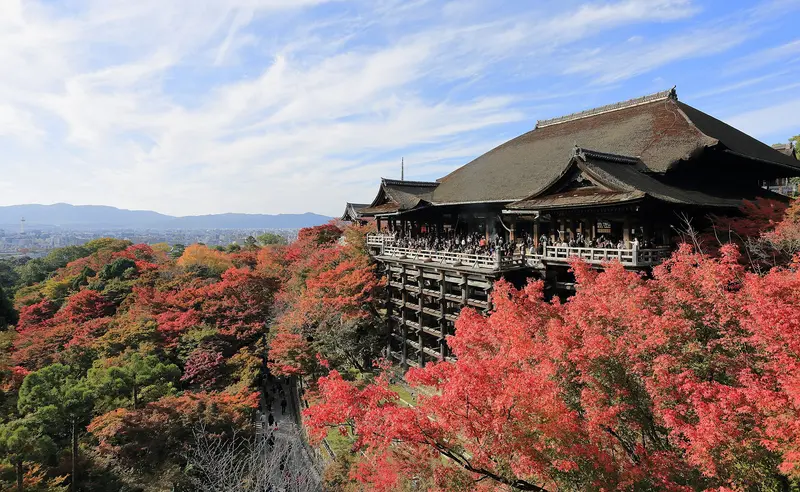
Kiyomizu-dera
The courage of 'jumping off the stage at Kiyomizu', where the ancient capital looks back over a thousand years
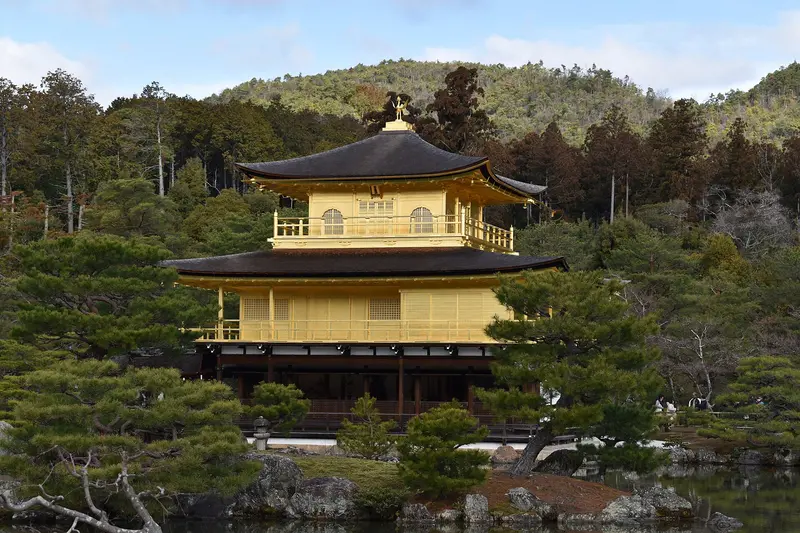
Kinkaku-ji
A three-storey pavilion clad in gold leaf, a Pure Land reflected in the Mirror Pond
Hanamikōji, Gion
A stone-paved geisha district where geiko and maiko brush past, the 'miyabi' (refined elegance) in the glow of machiya lanterns asks every trave…
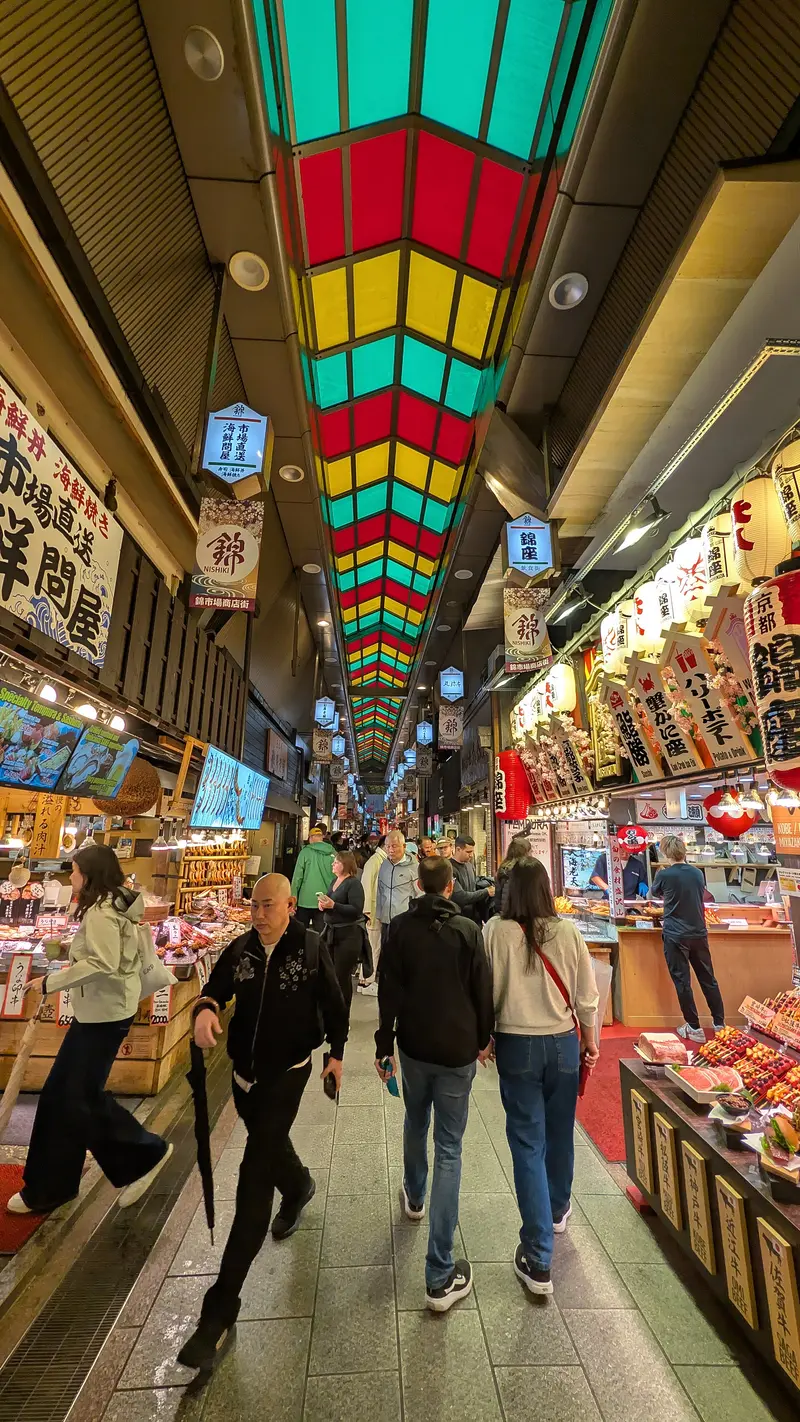
Nishiki Market
Four hundred years as 'Kyoto's Kitchen': 390 m of arcade packed with Kyoto vegetables, tamagoyaki and the calls of old shops — a living museum o…
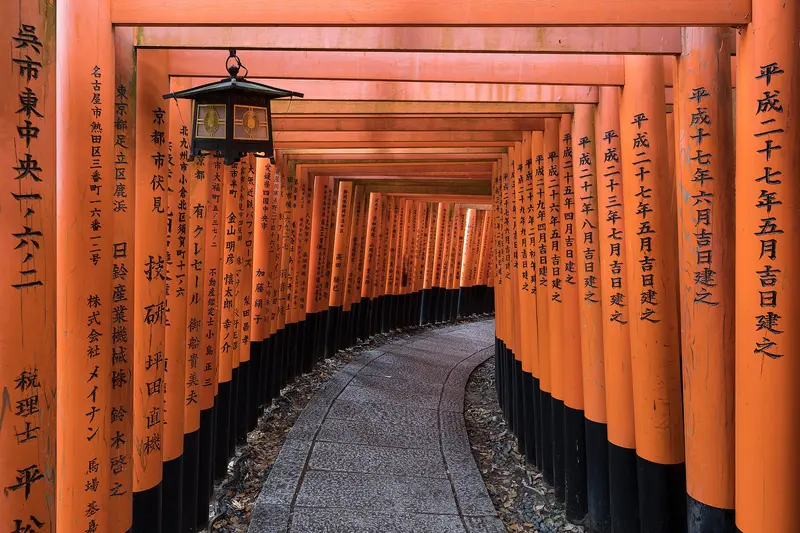
Fushimi Inari Taisha
A vermilion tunnel woven from ten thousand torii: the god of commerce, guarded by fox messengers
Arashiyama Bamboo Grove
A 'tunnel of light' with sun filtering through the bamboo, its rustling chosen among the '100 Soundscapes of Japan'
Local legends
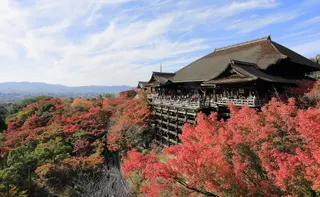 Kiyomizu-deraThe deer-hunting general and Kiyomizu-deraAccording to temple tradition, in 778 the monk Kenshin (later renamed Enchin) received a revelat…
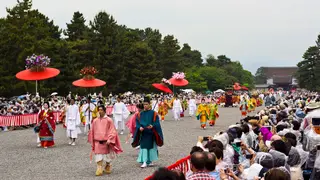 Aoi MatsuriA rite to calm the stormsLegend says that in the 6th century, under Emperor Kinmei, storms ravaged the land and crops fai…
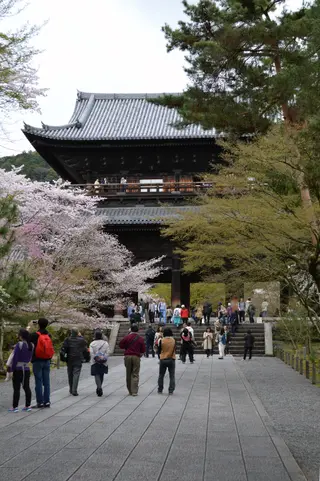 Nanzen-jiIshikawa Goemon and the SanmonLegend has it that the great thief Ishikawa Goemon climbed to the top of the Sanmon and marvelle…
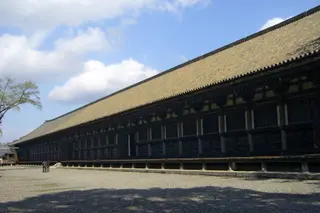 Sanjusangen-doMiyamoto Musashi's duelTradition holds that the 1604 duel between Miyamoto Musashi and Yoshioka Denshichirō took place …
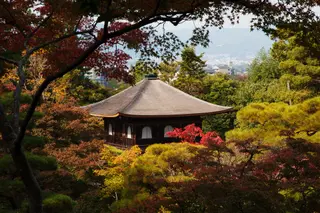 Ginkaku-jiThe shogun who watched the gardenIt is said that in his later years Yoshimasa would sit in the pavilion quietly contemplating the…