
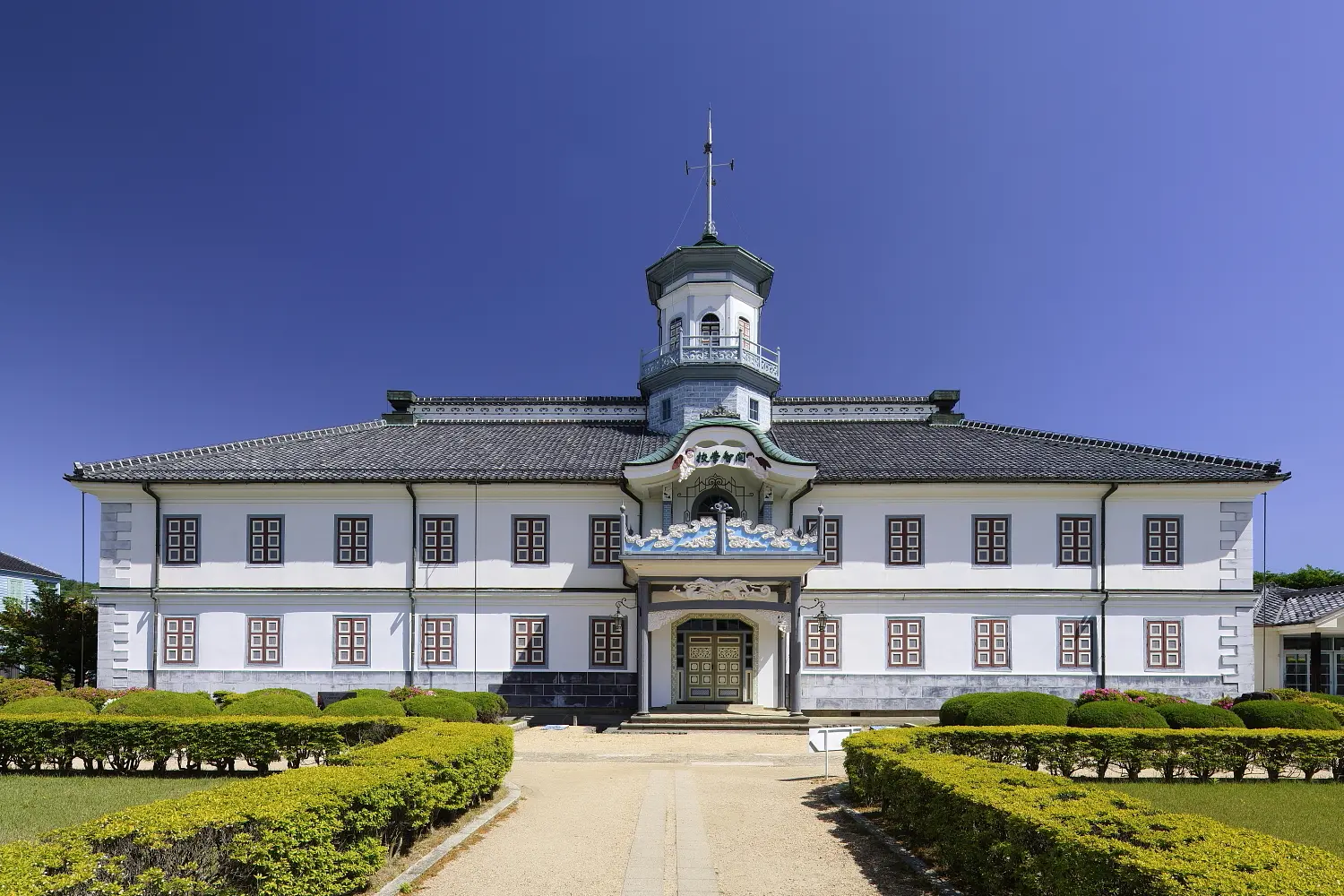
Former Kaichi School
旧開智学校 Former Kaichi School · Kaichi 2-chome, Matsumoto, Nagano Prefecture
See the pseudo-Western school building funded by Matsumoto townspeople in the early Meiji era—the first modern school building in Japan designated a National Treasure.
Know before you go
- Do not touch the wall decorations or exhibits
- do not run or drag luggage on the wooden floors
- do not take photos in areas of the museum where photography is prohibited
This article is Not yet verified. Please check official announcements for prices, opening hours and dates.
Culture
Culture & customs
Background
Kaichi School was founded in 1873 as the first elementary school in what was then Chikuma Prefecture; its name comes from the term "kaichi" (enlightenment) used when the Meiji government promulgated the education system. The surviving building was completed in 1876 under the leadership of Nagayama Moriteru, the governor of Chikuma Prefecture, with about 70% of the construction cost raised through donations from the residents of Matsumoto town. Built by local carpenters using traditional techniques to imitate Western styles, it is a representative example of early Meiji "giyōfū" (pseudo-Western) architecture and is seen as a symbol of elementary school architecture in the era of civilization and enlightenment. The building served as an elementary school until 1963, was moved to its current site and restored in 1964, and has been open as an education museum since 1965, as a branch of the Matsumoto City Museum. It was designated an Important Cultural Property in 1961, and in 2019 became the first modern school building to be designated a National Treasure.
Local customs
- The museum displays educational materials from the Meiji era onward, such as textbooks, teaching aids, desks and chairs, showing how modern school education in Japan has changed. The school building reopened after seismic retrofitting
- during your visit, look out for the second-floor auditorium and the stained glass.
Religion & beliefs
- The Former Kaichi School is a secular piece of educational heritage with no religious rules
- the school building is a National Treasure timber structure, so during your visit please wear slippers as instructed or keep your shoe soles clean, don't run indoors, and protect the wooden floors and walls. When visiting nearby shrines, follow Japanese shrine etiquette.
Etiquette & taboos
Etiquette & taboos
Rules that apply here
No photography and no eating or drinking in the permanent gallery of the Okinawa Prefectural Peace Memorial Museum
Do
- Put away your camera, food and drinks before entering the permanent gallery
- For the special exhibition gallery and the children's gallery, check the notices of the day to see whether photography is allowed
- If you need to eat or drink, go to the areas designated by the museum, such as the outdoor colonnade
Don’t
- Do not take photos or videos in the permanent gallery
- Do not eat or drink in the permanent gallery, and do not have meals in other areas of the museum either
- Do not extend the permanent gallery's photo ban into a photo ban across the entire park
The museum's 2026 visitor guide explicitly prohibits photography, eating and drinking in the permanent gallery and asks visitors to check the restrictions for other galleries separately; follow the museum's instructions on site.
Not yet verifiedSource: Okinawa Prefectural Peace Memorial Museum: FY2026 visitor guide, page 6
Japan: At fireworks festivals, don't tape off spots in advance, and never fly drones
Do
- Spread your sheet where there is actual space when you arrive, leaving room for neighbours
- Follow police and staff directions and move with the crowd
- Bring plenty of water and cooling gear to prevent heatstroke
- Riverbanks have lots of insects, so bring repellent
- Festivals usually go ahead in light rain, so bring a raincoat
- Take your rubbish home
Don’t
- Don't mark spots in advance with tape or spray paint on roads or in parks
- Don't fly drones
- Don't use selfie sticks in crowds; the Sumida River festival bans them
- Don't stop in the middle of the path to watch and block the flow
Spots marked in advance are cleared by the organisers, and flying drones is prohibited by law. City-centre festivals run one-way crowd flows, and going against the flow or stopping can cause dangerous crushes.
Verified Oct 19, 2026Source: Excite News: Sumida River Fireworks, access and viewing guide
Mixed, open-air and private baths: read the signs, don't stare, never take photos
Do
- Check the signs before entering; mixed baths are clearly marked, and joining is entirely your choice
- Most mixed baths are nude only, with no swimwear; some allow or lend special bathing wraps or towels, so follow the bath's rules
- If you prefer not to bathe mixed, use the separate men's and women's baths or a private bath
- Outdoor baths are slippery and the temperature changes sharply; hold the handrails when moving
- Use a private bath only within your booked slot and leave on time
- Tohoku and other regions still have many therapeutic hot springs with mixed bathing; for long therapeutic stays, follow the ryokan's and your doctor's advice
Don’t
- Don't stare at other bathers, strike up conversations, or linger to watch
- Don't take photos or videos in the bath area
- Don't overstay a private bath; the next group is waiting
Mixed bathing works only because bathers keep their eyes to themselves; staring or taking photos will get you asked to leave, and filming others in a bath may break local law.
Verified Oct 19, 2026Source: Wikipedia (Japanese): Konyoku
Stay off private land, and ask before photographing children or people
Do
- Ask parents' permission before photographing their children
- Ask geiko, maiko, and other working people before photographing them
- Check for 撮影禁止 (no photography) signs, and ask staff if there are none
- Photograph trains and stations themselves without disrupting operations
Don’t
- Do not enter private homes or land for a shot
- Do not photograph the inside of homes
- Do not aim your camera at individual passengers on trains or buses
- Do not step into rice paddies, flower beds, or along railway tracks for photos
- Do not use selfie sticks or tripods in crowds or dangerous spots
- Do not chase or stop geiko or maiko
Trespassing on private land is illegal and can get you told to leave or to delete your photos. Shooting in no-photo areas will be stopped, and photographing children is seen as an invasion of privacy.
Verified Oct 19, 2026Source: Aichi Now: Sightseeing Manners
Bathe nude in the onsen and keep your towel out of the water
Do
- Bathe fully nude, without swimwear or underwear
- Rest your small towel on your head or the edge of the bath
- Tie up long hair so it stays out of the water
- Enter the bath slowly and keep quiet
- Leave your phone in the locker
- Keep your first soak short, and dry off before returning to the changing room
Don’t
- Do not dip your towel into the bath
- Do not swim, dive, or talk loudly in the bath
- Do not take photos anywhere in the bathing area
- Do not wrap your yukata right side over left; that is how the deceased are dressed
Most of these are written bathhouse rules. Breaking them gets you a reminder from staff, and in serious cases you may be asked to leave. Soaking too long can also make you dizzy.
Verified Oct 19, 2026Source: Authentic Local Japan: Onsen Etiquette
Don’t DON'T
- Do not touch the wall decorations or exhibits
- do not run or drag luggage on the wooden floors
- do not take photos in areas of the museum where photography is prohibited
- do not lean on or climb the outer walls of the school buildings
- do not enter fenced areas outside opening hours
- do not eat or drink inside
- do not make noise in the lecture hall
Locals appreciate DO
- Examine the decoration of the front porch and the "Kaichi School" plaque
- see Meiji-era textbooks and desks in the exhibition rooms
- get a feel for the classroom space of the day in the second-floor lecture hall
- walk on to Matsumoto Castle
- stroll Nakamachi-dori and Nawate-dori
- see another Meiji-era Western-style building at the nearby former priest's residence
Plan your visit
Practical info
Travel tips
- Allow about 1 hour. The Former Kaichi School is a few hundred meters north of Matsumoto Castle, about a 25-minute walk from JR Matsumoto Station, or take the city loop bus to a nearby stop
- you can explore it on foot together with Matsumoto Castle. Opening hours, closing days (such as the third Tuesday of each month, possibly every Tuesday in winter) and admission are subject to the Matsumoto City Museum's official website. The school building closed from June 2021 for seismic retrofitting, has now reopened, and is holding a special exhibition commemorating its 150th anniversary. Combine with Matsumoto Castle, Nakamachi Street, Nawate Street and Yohashira Shrine for a half-day walking route through Matsumoto's castle town. Matsumoto is cold in winter and the temperature difference between indoors and outdoors is large, so dress warmly.
How do you like this place?
More nearby
Also in Chubu
Nearby sights
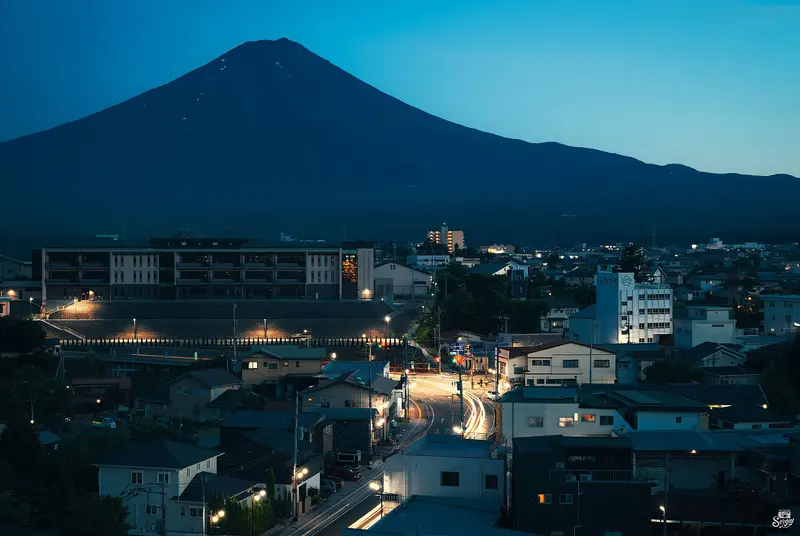
Mount Fuji
Japan's sacred 3,776-m peak, the 'once in a lifetime' place to greet the sunrise
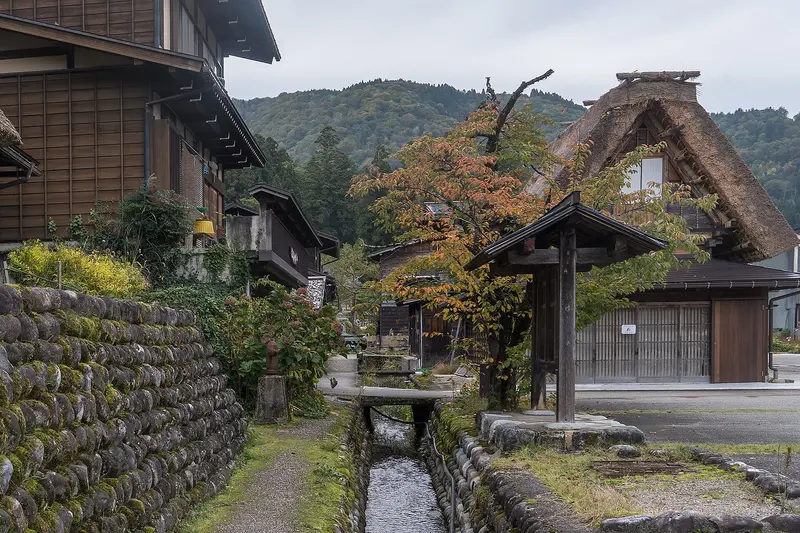
Shirakawa-gō
A snow-country fairy tale of thatched gasshō-zukuri roofs: a farming poem within a World Heritage Site
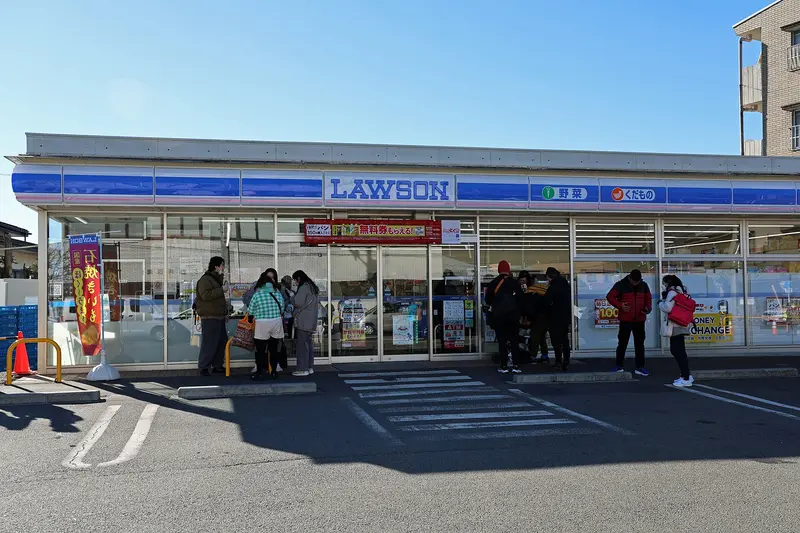
Kawaguchiko Lawson photo spot
A convenience store framed with Mount Fuji: the most magical-realist 'Japanese postcard'
Fuji Dream Bridge (Yume no Ōhashi)
Steps that seem to lead straight to Mount Fuji: a road bridge 'to the sky'
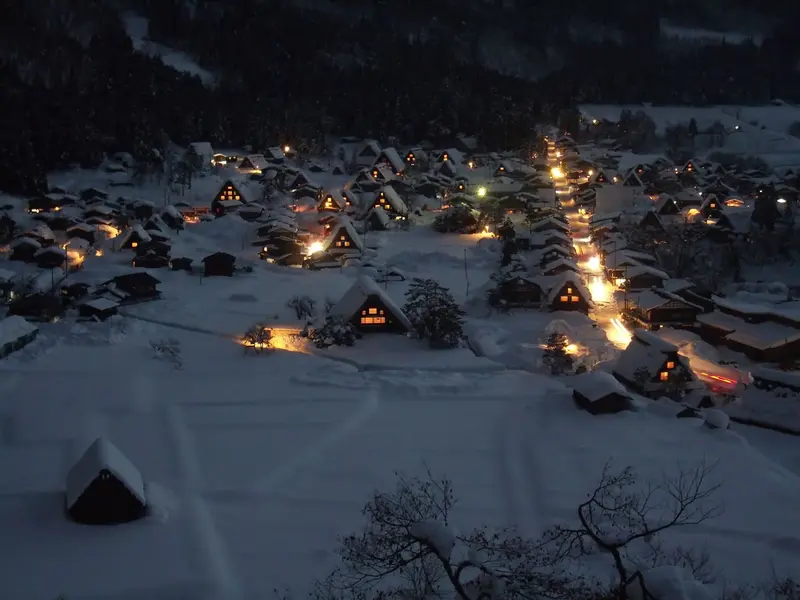
Shirakawa-gō Light-Up
Warm lights in a gasshō village on a snowy night: a fairy tale on just four nights a year
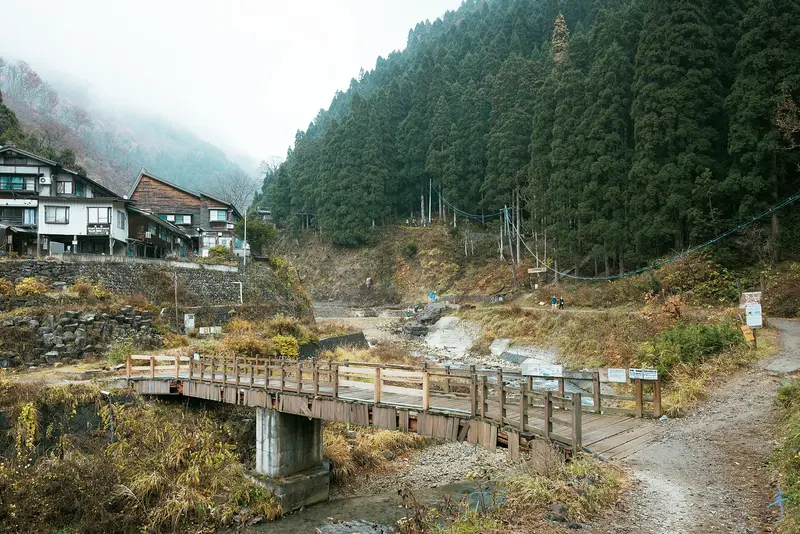
Jigokudani Monkey Park
Snow monkeys in hot springs: the world's only 'monkey spa'
Local legends
 Atsuta ShrineYamato Takeru and the Kusanagi SwordTradition says Yamato Takeru died on his way home from his eastern campaign, and his widow enshr…Atsuta ShrineThe Sword Stolen and ReturnedIt is said that in the reign of Emperor Tenji the Kusanagi Sword was stolen from Atsuta and was …
 Zenkō-jiThe Principal Image and Honda YoshimitsuTemple tradition says this Amida image, after causing a dispute between clans, was thrown into t…Zenkō-jiThe Plaque with Five Hidden DovesThe "Zenkō-ji" plaque on the upper floor of the Sanmon gate was written by the imperial prince-a…
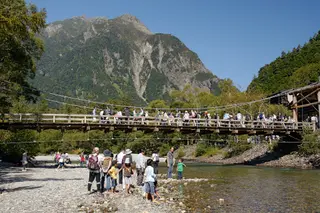 KamikochiHow Kappa Bridge got its nameNo one knows for certain why the bridge is named after the kappa, a water creature of legend. On…
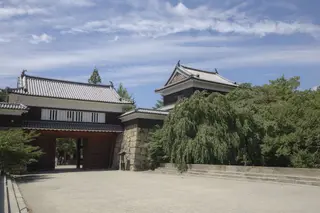 Ueda CastleThe Sanada Ten Braves are later fictionThe Sanada Ten Braves were shaped by later storytelling and literature, not a verified group of …