
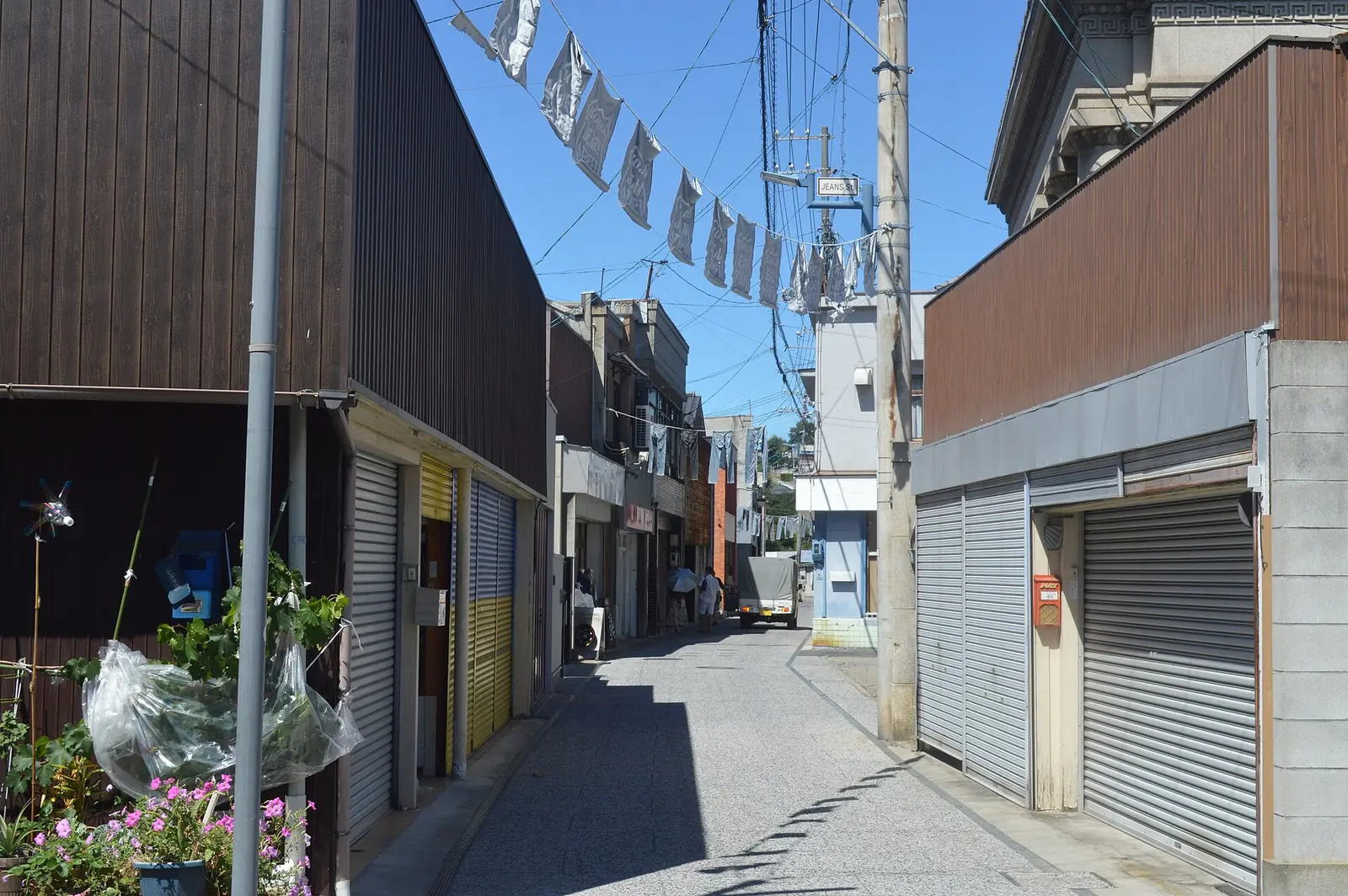
Kojima Jeans Street
児島ジーンズストリート · Kojima Ajino, Kurashiki, Okayama
On the old Ajino shopping street, see how Kojima's textile industry turned into today's denim district.
Know before you go
- Do not describe every shop's products as handmade on site
- do not present Kojima Jeans Street and the Kurashiki Bikan Historical Quarter as the same central district
- do not photograph staff, customers or production processes without permission.
This article is Not yet verified. Please check official announcements for prices, opening hours and dates.
Culture
Culture & customs
Background
Kojima Jeans Street lies in the Kojima Ajino area of Kurashiki. Running about 400 meters from the former Nozaki Family Residence to Ajino Daini Park, it is a shopping street made up of many shops and street spaces, not a self-contained jeans museum. Kojima has long had a base in textile industries such as cotton spinning, tabi socks and school uniforms; local tourism bodies cite domestic jeans production in the 1960s as an important turning point, but today's street should not be described as having operated under the same shop names and layout since the 1960s. The Ajino shopping street once prospered alongside textile employment, then declined as industry and consumer habits changed. According to Kurashiki's tourism organization, a district revitalization themed on denim clothing began around 2010. Walking here today, you can see how textile craft, local brands, retail shops and an old neighborhood connect; whether goods are made, dyed or sewn locally depends on each shop's own description. The Kojima area and the Kurashiki Bikan Historical Quarter are both in Kurashiki City, but they are not on the same walking route, so plan them as separate parts of your trip.
Local customs
- The street has residents and working shops, and each shop sets its own rules for shop windows, workshops, fitting rooms and photography. Ask before photographing people or production
- do not block doorways, and do not treat retail spaces as exhibition halls open without conditions. If you want to try dyeing or made-to-order items, confirm booking and fees first.
Religion & beliefs
- Kojima Jeans Street is a commercial and industrial district, not a religious site
- if you also visit a temple along the way, follow that temple's own opening hours and worship rules.
Etiquette & taboos
Etiquette & taboos
Rules that apply here
No photography and no eating or drinking in the permanent gallery of the Okinawa Prefectural Peace Memorial Museum
Do
- Put away your camera, food and drinks before entering the permanent gallery
- For the special exhibition gallery and the children's gallery, check the notices of the day to see whether photography is allowed
- If you need to eat or drink, go to the areas designated by the museum, such as the outdoor colonnade
Don’t
- Do not take photos or videos in the permanent gallery
- Do not eat or drink in the permanent gallery, and do not have meals in other areas of the museum either
- Do not extend the permanent gallery's photo ban into a photo ban across the entire park
The museum's 2026 visitor guide explicitly prohibits photography, eating and drinking in the permanent gallery and asks visitors to check the restrictions for other galleries separately; follow the museum's instructions on site.
Not yet verifiedSource: Okinawa Prefectural Peace Memorial Museum: FY2026 visitor guide, page 6
Japan: At fireworks festivals, don't tape off spots in advance, and never fly drones
Do
- Spread your sheet where there is actual space when you arrive, leaving room for neighbours
- Follow police and staff directions and move with the crowd
- Bring plenty of water and cooling gear to prevent heatstroke
- Riverbanks have lots of insects, so bring repellent
- Festivals usually go ahead in light rain, so bring a raincoat
- Take your rubbish home
Don’t
- Don't mark spots in advance with tape or spray paint on roads or in parks
- Don't fly drones
- Don't use selfie sticks in crowds; the Sumida River festival bans them
- Don't stop in the middle of the path to watch and block the flow
Spots marked in advance are cleared by the organisers, and flying drones is prohibited by law. City-centre festivals run one-way crowd flows, and going against the flow or stopping can cause dangerous crushes.
Verified Oct 19, 2026Source: Excite News: Sumida River Fireworks, access and viewing guide
Mixed, open-air and private baths: read the signs, don't stare, never take photos
Do
- Check the signs before entering; mixed baths are clearly marked, and joining is entirely your choice
- Most mixed baths are nude only, with no swimwear; some allow or lend special bathing wraps or towels, so follow the bath's rules
- If you prefer not to bathe mixed, use the separate men's and women's baths or a private bath
- Outdoor baths are slippery and the temperature changes sharply; hold the handrails when moving
- Use a private bath only within your booked slot and leave on time
- Tohoku and other regions still have many therapeutic hot springs with mixed bathing; for long therapeutic stays, follow the ryokan's and your doctor's advice
Don’t
- Don't stare at other bathers, strike up conversations, or linger to watch
- Don't take photos or videos in the bath area
- Don't overstay a private bath; the next group is waiting
Mixed bathing works only because bathers keep their eyes to themselves; staring or taking photos will get you asked to leave, and filming others in a bath may break local law.
Verified Oct 19, 2026Source: Wikipedia (Japanese): Konyoku
Stay off private land, and ask before photographing children or people
Do
- Ask parents' permission before photographing their children
- Ask geiko, maiko, and other working people before photographing them
- Check for 撮影禁止 (no photography) signs, and ask staff if there are none
- Photograph trains and stations themselves without disrupting operations
Don’t
- Do not enter private homes or land for a shot
- Do not photograph the inside of homes
- Do not aim your camera at individual passengers on trains or buses
- Do not step into rice paddies, flower beds, or along railway tracks for photos
- Do not use selfie sticks or tripods in crowds or dangerous spots
- Do not chase or stop geiko or maiko
Trespassing on private land is illegal and can get you told to leave or to delete your photos. Shooting in no-photo areas will be stopped, and photographing children is seen as an invasion of privacy.
Verified Oct 19, 2026Source: Aichi Now: Sightseeing Manners
Bathe nude in the onsen and keep your towel out of the water
Do
- Bathe fully nude, without swimwear or underwear
- Rest your small towel on your head or the edge of the bath
- Tie up long hair so it stays out of the water
- Enter the bath slowly and keep quiet
- Leave your phone in the locker
- Keep your first soak short, and dry off before returning to the changing room
Don’t
- Do not dip your towel into the bath
- Do not swim, dive, or talk loudly in the bath
- Do not take photos anywhere in the bathing area
- Do not wrap your yukata right side over left; that is how the deceased are dressed
Most of these are written bathhouse rules. Breaking them gets you a reminder from staff, and in serious cases you may be asked to leave. Soaking too long can also make you dizzy.
Verified Oct 19, 2026Source: Authentic Local Japan: Onsen Etiquette
Don’t DON'T
- Do not describe every shop's products as handmade on site
- do not present Kojima Jeans Street and the Kurashiki Bikan Historical Quarter as the same central district
- do not photograph staff, customers or production processes without permission.
Locals appreciate DO
- Stroll along the roughly 400-meter street and notice how different shops present their fabrics, dyeing and tailoring
- to understand the industrial background, combine your visit with Kojima's textile museums or a booked workshop.
Plan your visit
Practical info
Travel tips
- Kurashiki's official tourism route places Kojima Jeans Street in Kojima Ajino, on the stretch from the former Nozaki Family Residence to Ajino Daini Park. Materials from the Kojima Chamber of Commerce say it is about a 15-minute walk from JR Kojima Station, but the actual time varies with your route, the weather and your stops. If you only want to see the street and a few shops, allow about 45–60 minutes
- if you plan to browse several brand stores properly, learn about the materials and try things on, allow about 1.5–2 hours. Each shop has its own opening days and hours, so a single fixed timetable for the whole street does not apply
- check current notices on the shop and district websites before you go. The street is a long way from the Kurashiki Bikan Historical Quarter, so if you combine them in one day, allow separate time for rail or road connections. Street events and workshops may require booking or a fee
- on-site prices are as published by each operator.
Sources & verification notes
Kurashiki official tourism: Kojima Jeans Street route and its roughly 400-meter extent
Kurashiki official tourism: Kojima textile history and district revitalization
Kojima Jeans Street: shops and current information
Kojima Chamber of Commerce: the street and distance from the station
How do you like this place?
More nearby
Also in Chugoku
Nearby sights
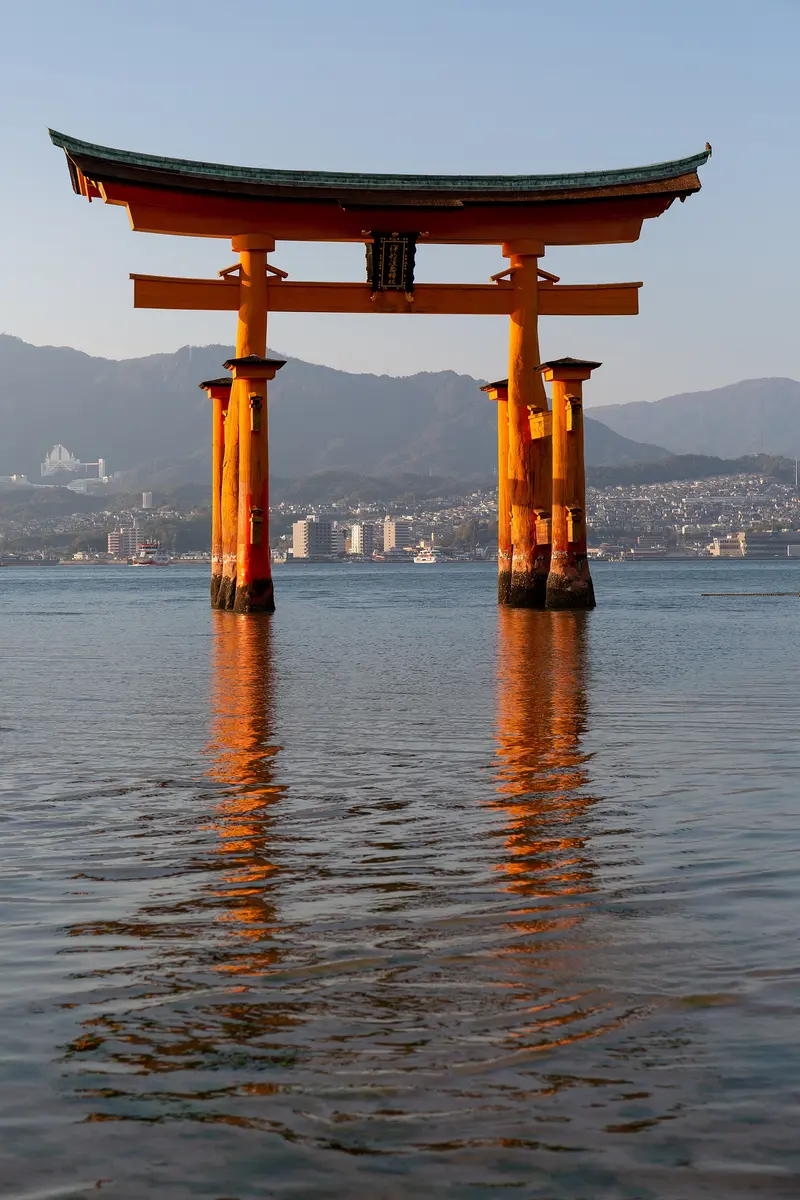
Itsukushima Shrine
A great torii that 'floats' on the sea at high tide: a mythical world between the tides
Adachi Museum of Art
Ranked 'Japan's number-one garden' for twenty-three years running: a living landscape scroll
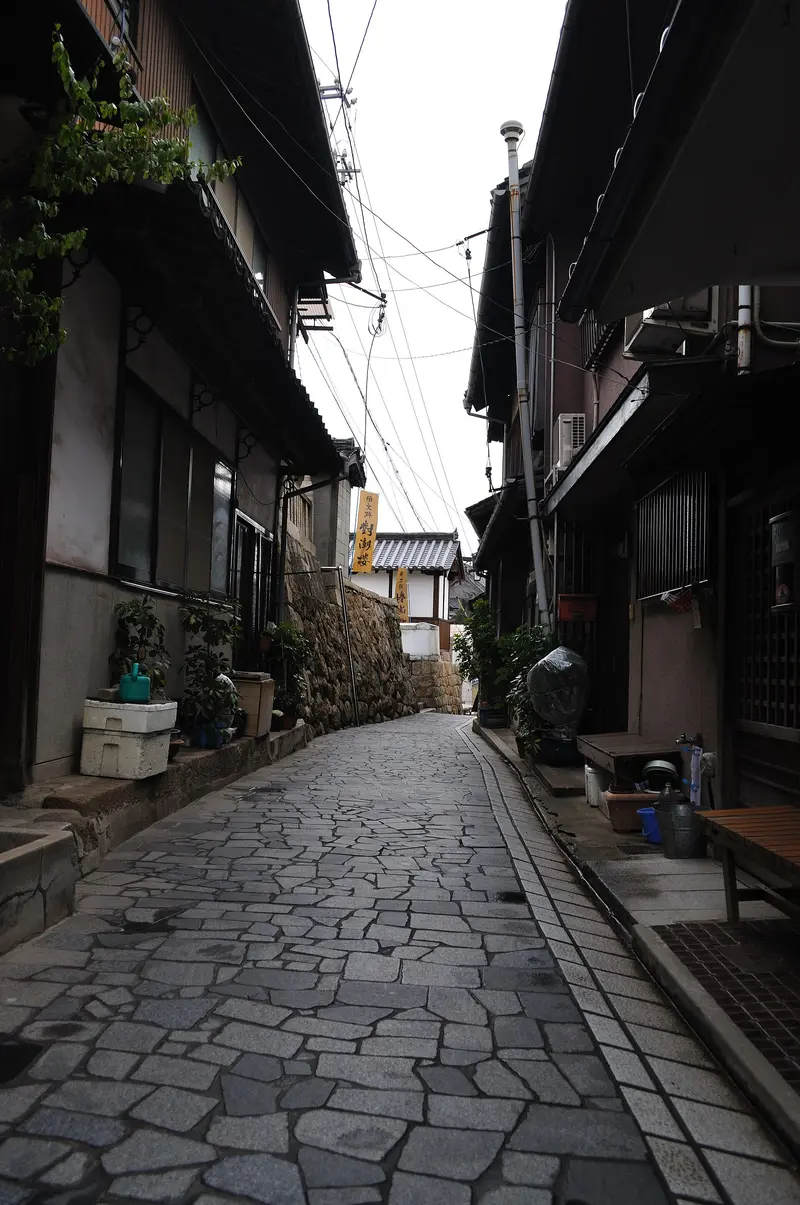
Tomonoura
The harbour that inspired Hayao Miyazaki: the jōyatō lantern of an Edo-period 'tide-waiting port'
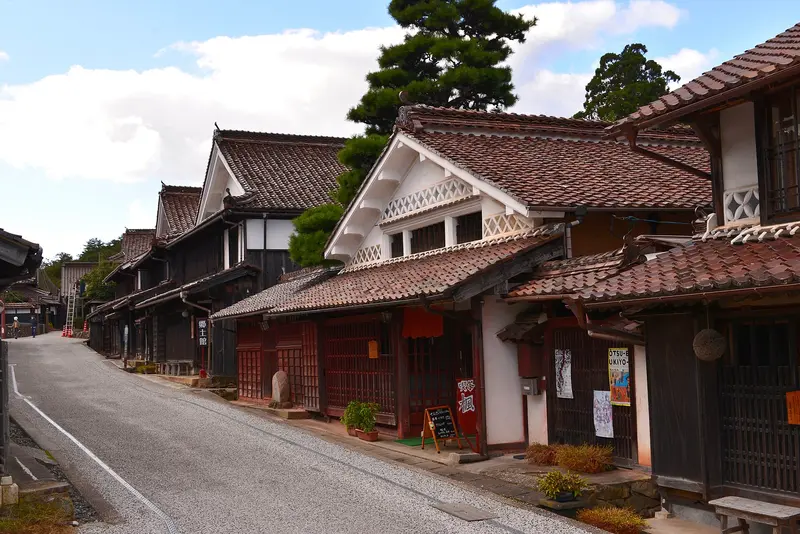
Fukiya Furusato Village
Birthplace of 'Japan Red': a copper-mining town dyed red with bengara
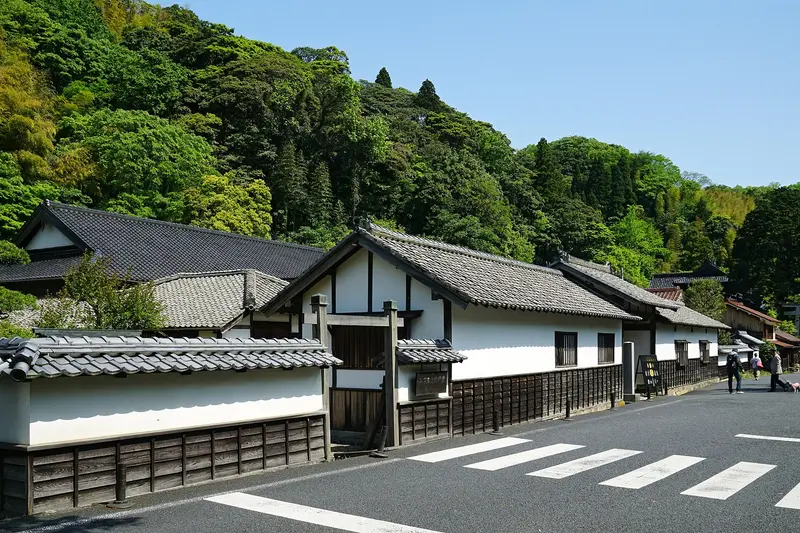
Iwami Ginzan Silver Mine
The silver silence of a World Heritage Site: cycling through a street of samurai residences
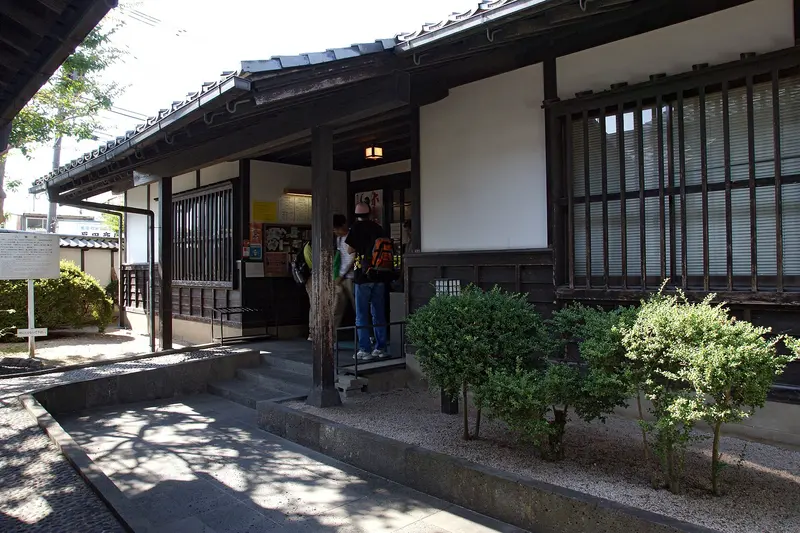
Lafcadio Hearn Memorial Museum
Walk from the old castle-town streets into the written world of Lafcadio Hearn (Koizumi Yakumo), and tell apart the writer's former residence fr…
Local legends
 Motonosumi ShrineThe white fox's dream messageIt is said that in 1955 a local fisherman dreamed of a white fox. The fox told him that he owed …
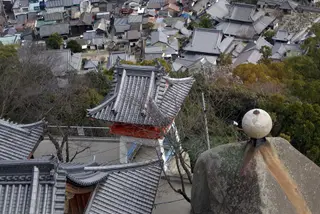 OnomichiThe temple's founding traditionSenkō-ji's official website records that the temple was founded in 806 (Daidō 1), traditionally …
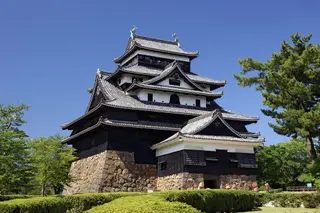 Matsue CastleThe human pillar legendLegend says the stone walls of the keep's base kept collapsing during construction, so the most …
 Yoshida-Koriyama Castle RuinsMōri Motonari and the three arrowsThe tale of three arrows teaches unity among Mōri Motonari’s sons. Akitakata City presents it as…
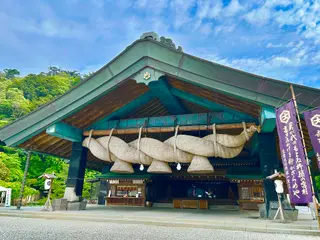 Izumo TaishaThe White Hare of InabaThe Kojiki records that Ōkuninushi (then called Ōnamuji) and his eighty elder brothers set off t…Izumo TaishaThe myth of 'handing over the land'According to the Kojiki and Nihon Shoki, when Ninigi, grandson of Amaterasu, descended from heav…