
Vieux-Lyon
Vieux Lyon · Vieux-Lyon, Lyon, France
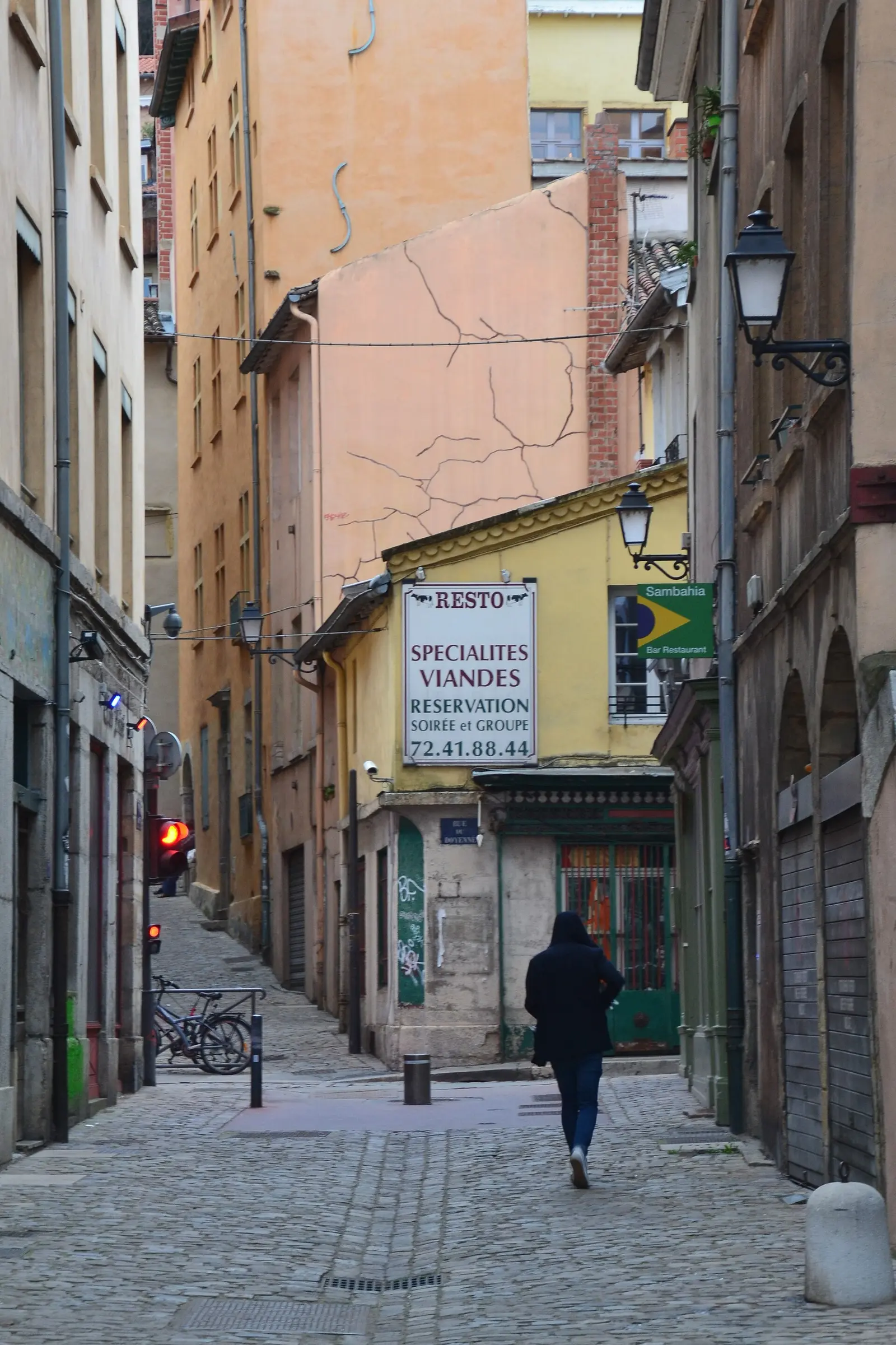
Wander the old-town lanes on the west bank of the Saône and see how a medieval street plan coexists with Renaissance mansions.
Know before you go
- Do not call the whole World Heritage site “Vieux-Lyon”
- do not enter residential courtyards without an open sign, and do not talk loudly or block the way in the traboules
- do not promise that all traboules are open all day.
This article is Not yet verified. Please check official announcements for prices, opening hours and dates.
Culture
Culture & customs
Background
Vieux-Lyon lies on the west bank of the Saône at the foot of Fourvière hill, and preserves medieval lanes and a large number of Renaissance houses. It is part of the “Historic Site of Lyon”, inscribed by UNESCO in 1998; this World Heritage site also includes areas such as the Presqu'île and the slopes of the Croix-Rousse, so the whole site should not be treated as a single street in Vieux-Lyon. The cathedral, merchants' mansions and traboules near Place Saint-Jean show river trade and the city's ways of living. A traboule is a passage through courtyards linking two streets; many courtyards are still lived in today, and which ones are open is decided by signs and management arrangements.
Local customs
- You can walk from Place Saint-Jean through the lanes towards the Saint-Paul or Saint-Georges quarters, looking out for doorways, courtyards and staircases from different periods. The open traboules are not public shopping arcades: keep your voice down, pass straight through, and do not linger outside residents' doors. Churches and shops in the quarter each have their own opening arrangements
- if you come across closed doors or private courtyards, do not push your way in.
Religion & beliefs
- Saint-Jean Cathedral in Vieux-Lyon is still a place of worship. Keep quiet when entering worship spaces and respect any ceremonies in progress
- the quarter itself is a residential area with no uniform religious entry requirements.
Etiquette & taboos
Etiquette & taboos
Don’t DON'T
- Do not call the whole World Heritage site “Vieux-Lyon”
- do not enter residential courtyards without an open sign, and do not talk loudly or block the way in the traboules
- do not promise that all traboules are open all day.
Locals appreciate DO
- Read the maps at the entrance to Vieux-Lyon or from the tourist office first
- choose traboules marked as open
- combine the cathedral, riverbank and lanes in one walk
- look up at the building façades and courtyards rather than just hunting for photo spots.
Plan your visit
Practical info
Travel tips
- To walk only Place Saint-Jean and the nearby lanes, allow about 45–60 minutes
- if you explore the Saint-Paul, Saint-Jean and Saint-Georges quarters in turn, adding open traboules and the riverbank, allow 1.5–2.5 hours. Vieux-Lyon is right next to the Vieux Lyon metro station and the lower station of the Fourvière funicular, and you can reach it on foot from the Presqu'île over the bridges across the Saône
- the old town has many cobbled streets and narrow lanes, so if you are pulling luggage or using a wheelchair, check an accessible route first. The quarter is an open urban space with no single ticket for the whole area
- individual museums, special areas of churches or guided tours may require separate tickets. Most traboules are inside private buildings
- even where opening agreements have been signed, access may change temporarily for maintenance, residents' activities or safety reasons, so follow the instructions on site when entering. You can split Vieux-Lyon and Fourvière hill into morning and afternoon, using the funicular to save climbing
- if you join a guided tour, book according to the actual meeting point and duration.
How do you like this place?
More nearby
Also in France
Nearby sights
Eiffel Tower
The 'Iron Lady' on the Seine, Paris's irreplaceable city totem
Louvre
A medieval palace turned into the world's largest temple of art, where 'the Mona Lisa's smile' awaits you
Museum of European and Mediterranean Civilisations (Mucem)
Walk from the J4 building to Fort Saint-Jean, linking the exhibitions with the historic spaces at the entrance to the Old Port.
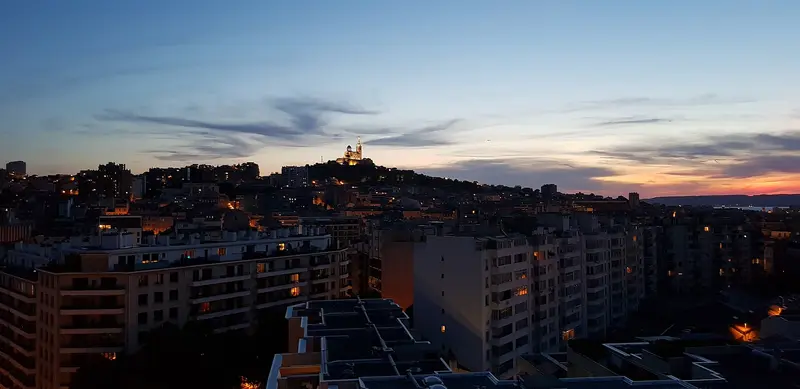
Basilica of Notre-Dame de la Garde
Look over the harbour from high above Marseille, and understand the bond between a seafaring city and its devotion to Our Lady of the Guard.
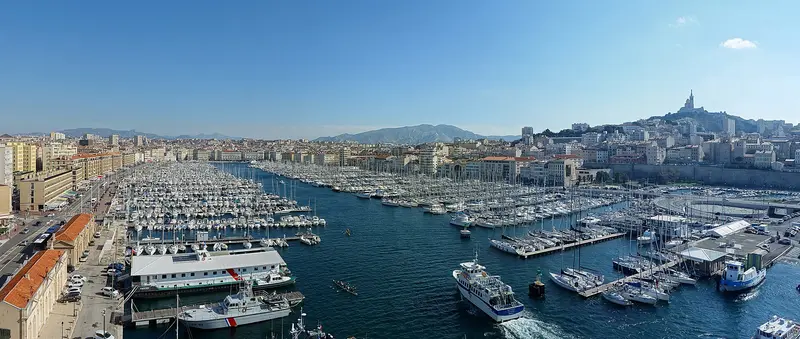
Old Port of Marseille
Follow the quays of the Old Port to see the city axis that has run from the ancient port town to the Marseille of today.
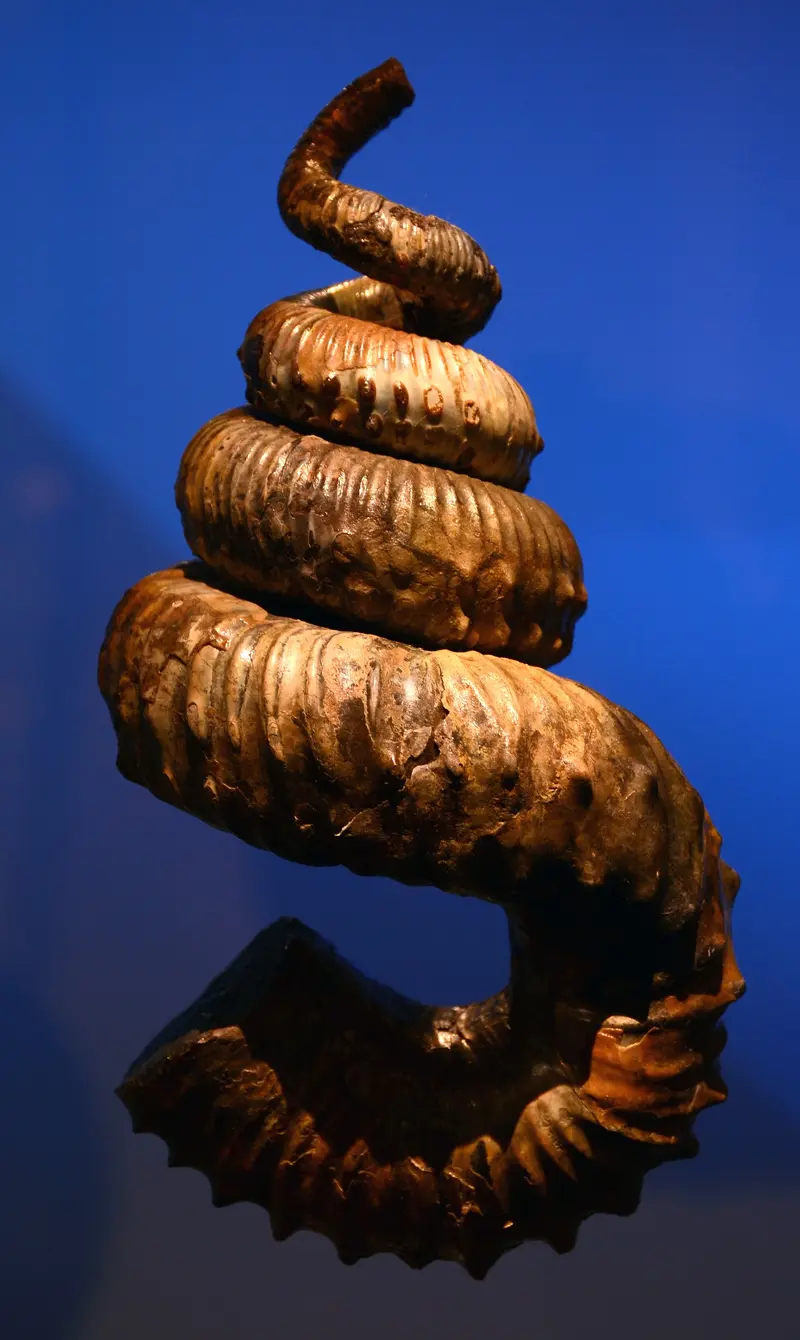
Musée des Confluences, Lyon
At the meeting of the Rhône and the Saône, explore the relationship between humanity and the world through natural history and anthropology coll…
Local legends
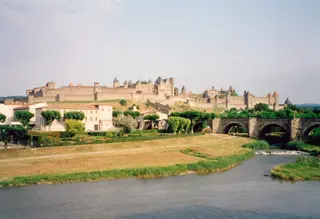 Cité de CarcassonneLady Carcas rings the bellsLegend says Charlemagne's army besieged the city for five years. With food running out, Lady Car…
 Montmartre and Sacré-CœurSaint Denis Carrying His HeadLegend has it that Saint Denis, patron saint of Paris, was beheaded on the summit of Montmartre,…
 Mont Saint-MichelStories of Mont Saint-MichelThe legend (labelled as church tradition) dates to 708: Aubert, Bishop of Avranches, dreamed tha…