
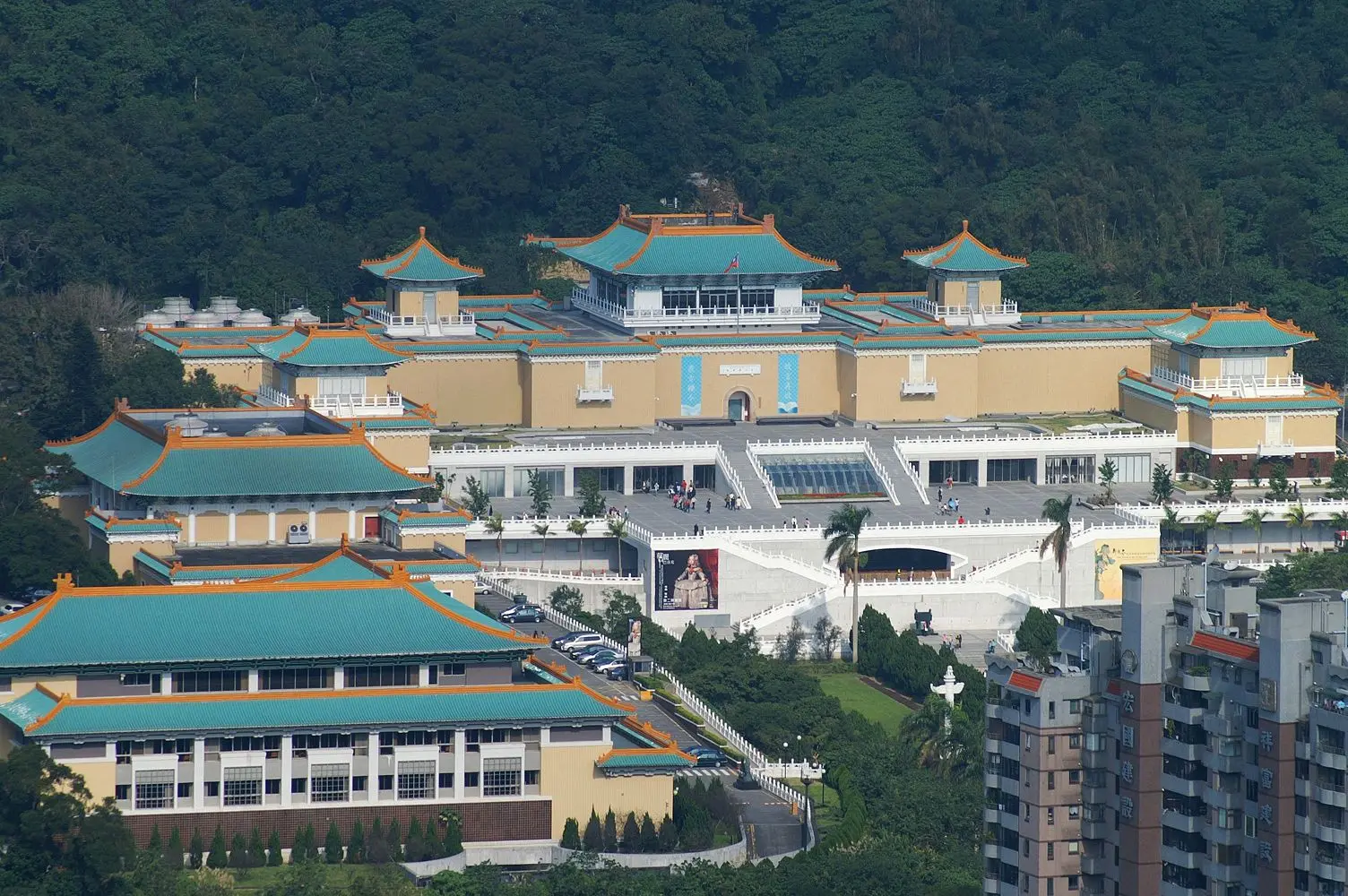
National Palace Museum, Taipei
國立故宮博物院 · Shilin District, Taipei City, Taiwan
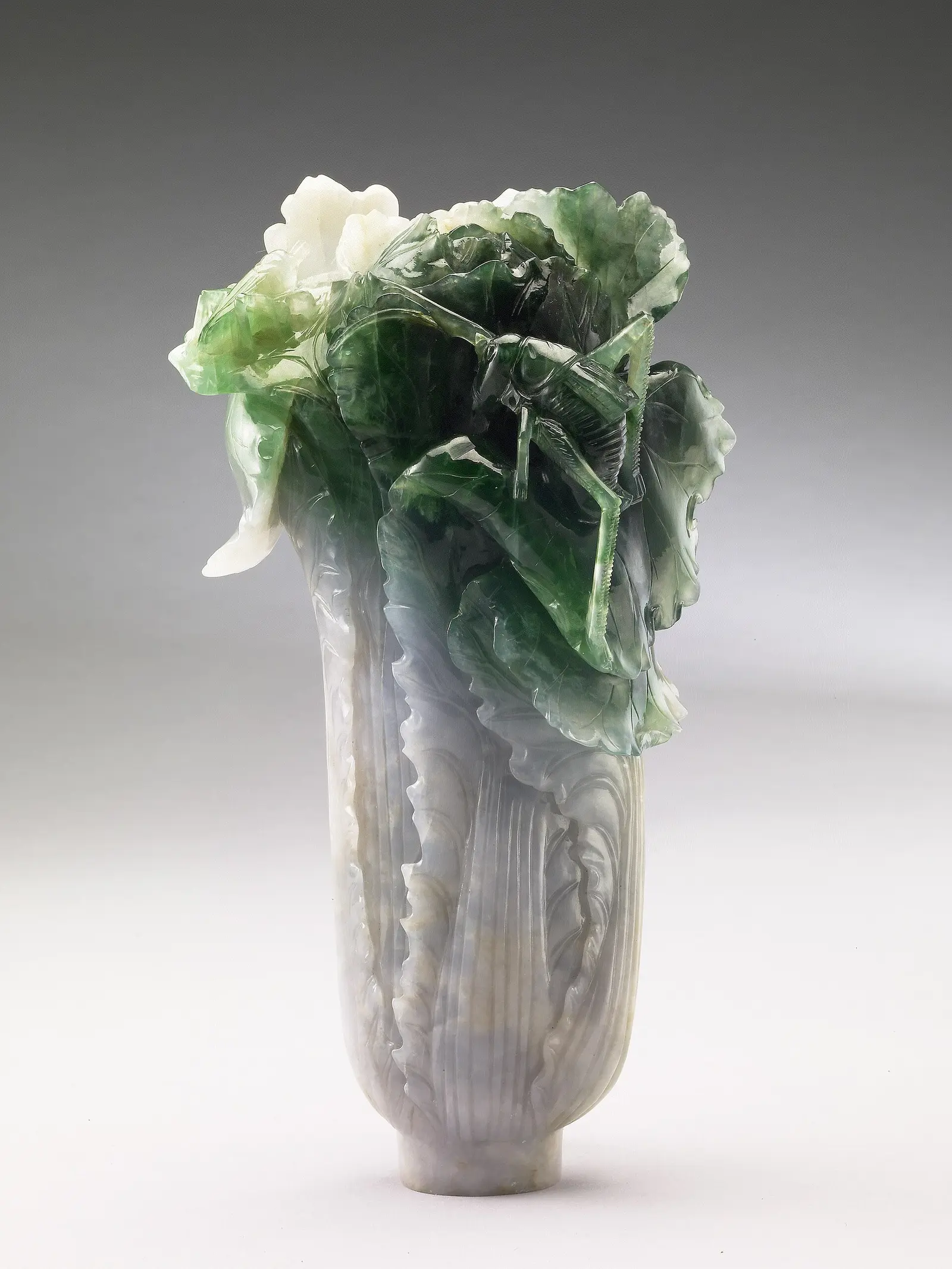
Nearly 700,000 objects from historic imperial collections, including the Jadeite Cabbage, the Meat-shaped Stone and the Mao Gong Ding
Know before you go
- Don't use flash when photographing light-sensitive works such as paintings and calligraphy
- don't touch the display case glass
- don't linger for selfies in front of the popular star exhibits
Culture
Culture & customs
Background
Most of the National Palace Museum's holdings come from the imperial collections of successive dynasties kept in the Forbidden City, the Shengjing Palace, the Chengde Mountain Resort and elsewhere. They were moved to Taiwan in stages from 1948, and the museum opened at its current site in Waishuangxi, Shilin, Taipei in 1965. The collection numbers nearly 700,000 objects spanning the Neolithic to modern times, and its greatest strengths are bronzes with long inscriptions, calligraphy and paintings by early masters, rare books and imperial kiln porcelain. The inscription of about 500 characters inside the Mao Gong Ding is a Western Zhou investiture document, and the San Shi Pan records a Western Zhou land contract; the Meat-shaped Stone, cleverly carved from chalcedony, reproduces even the pores and the layers of fat and lean, and together with the Jadeite Cabbage it is among the most popular exhibits. The main building has a palace-style exterior with a yellow main ridge and green glazed tiles, flanked by the Chih-shan Garden and Chih-te Garden, modelled on Chinese gardens.
Local customs
- The galleries display objects by category and in chronological order, with about 7,000 pieces on permanent display
- decorative objects rotate every six months to two years, and painting, calligraphy and rare books rotate every three months, so a famous painting or calligraphy you want to see may not be on view. The museum offers audio guides in many languages, including Mandarin, English, Japanese, Korean, Cantonese and Taiwanese.
Religion & beliefs
- No particular religious affiliation
- the Buddhist statues and religious objects in the museum are displayed as art history, so simply keep quiet as you visit.
Etiquette & taboos
Etiquette & taboos
Don’t DON'T
- Don't use flash when photographing light-sensitive works such as paintings and calligraphy
- don't touch the display case glass
- don't linger for selfies in front of the popular star exhibits
Locals appreciate DO
- Before you go, check the current exhibits and galleries on the official website to confirm whether the Jadeite Cabbage and Meat-shaped Stone you want to see are on display at the main Taipei branch
- rent an audio guide to take your time with inscriptions and marks
- allow at least half a day, and afterwards you can stroll in the Chih-shan Garden.
Plan your visit
Practical info
Travel tips
- The museum is in Waishuangxi, Shilin District, on Taipei's northern outskirts
- most visitors take a bus from Shilin MRT station. The Southern Branch is in Taibao City, Chiayi County, and shows different exhibits from Taipei. Opening hours, closing days, ticket prices and evening openings change from time to time
- check the official website. There are often queues in front of the most popular pieces, so arriving soon after opening is more relaxed.
Photos
Photos
Peellden · CC BY 3.0
国立故宫博物院(Open Data) · CC0
Sources & verification notes
How do you like this place?
More nearby
Also in Taipei
Nearby sights
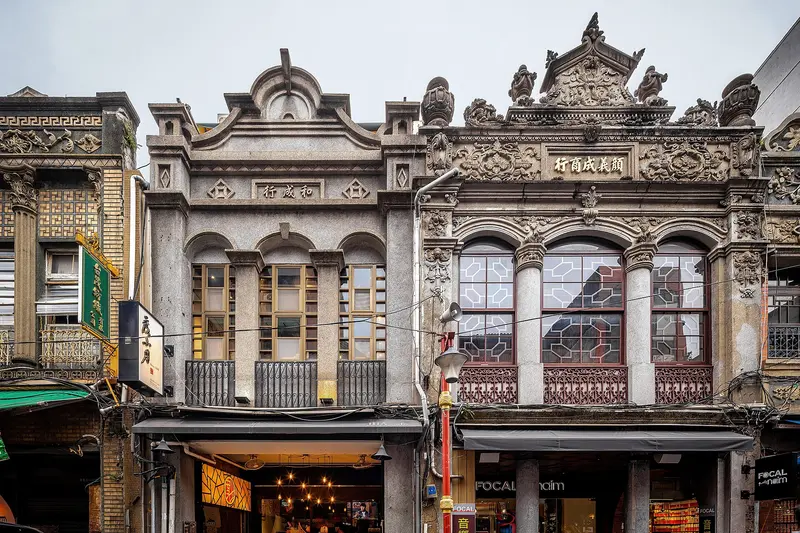
Dadaocheng and Dihua Street
An old street lined with tea merchants, dried-goods stores and Chinese herbal shops, Taipei's best-preserved historic district
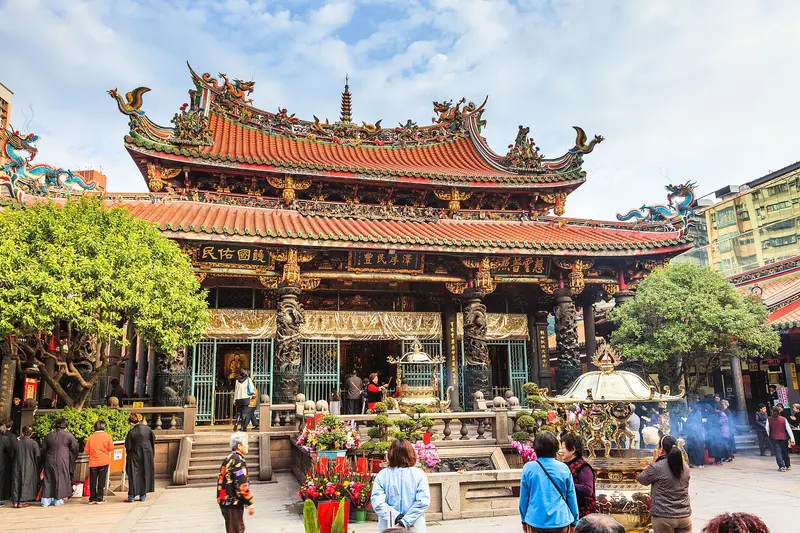
Bangka Lungshan Temple
A Guanyin temple built by Quanzhou immigrants in 1738, the busiest old temple in Taipei
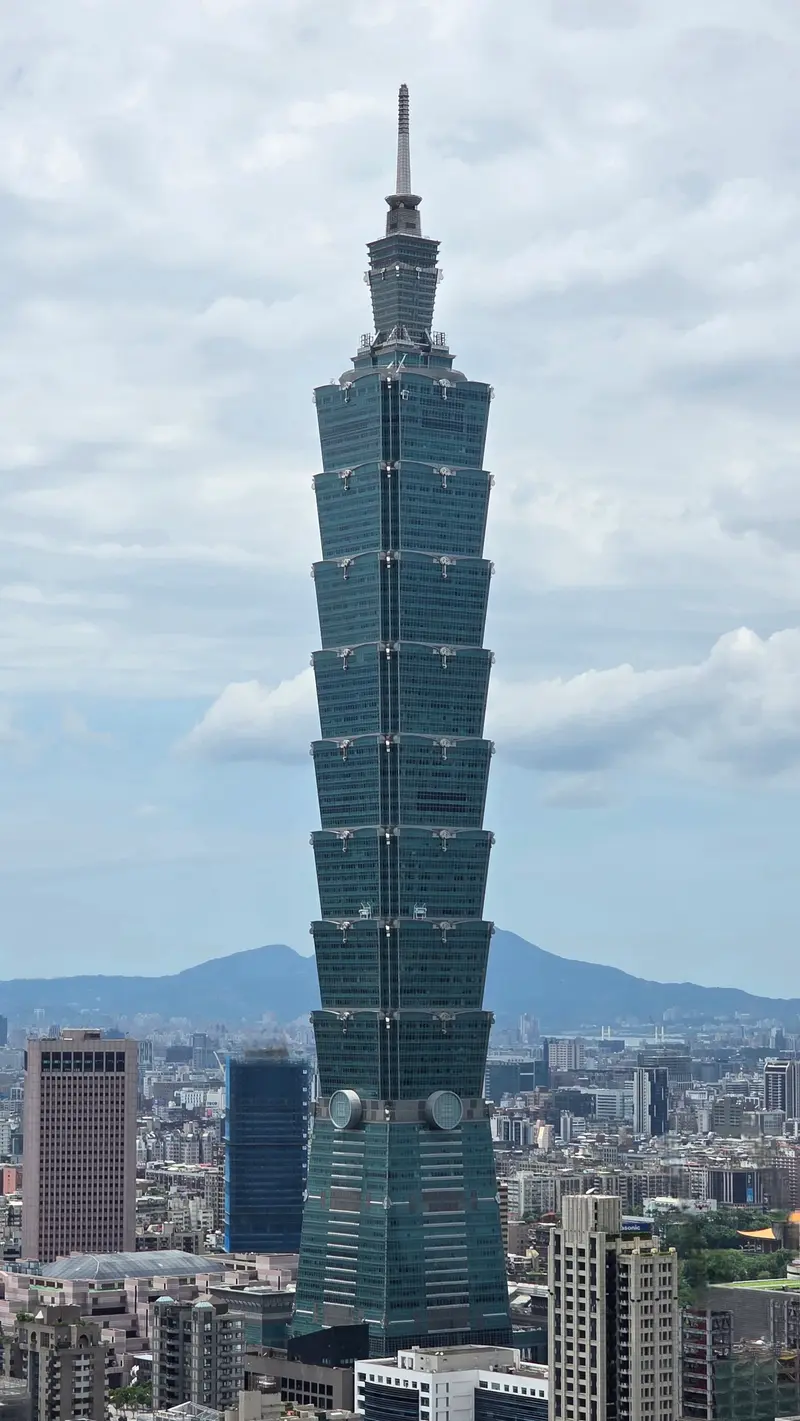
Taipei 101
Once the world's tallest building: see the Taipei Basin from the 89th floor, along with the 660-tonne tuned mass damper