
Wakayama · Hot spring / Coastal wonder
Shirahama Onsen and Senjojiki
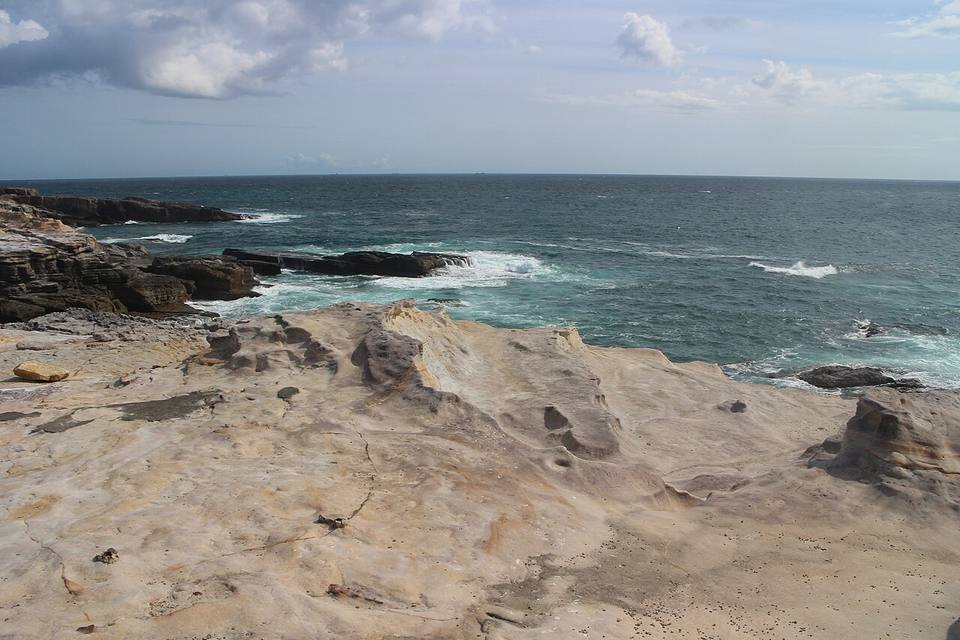
One of Japan's three ancient hot springs, with a 1,300-year history; after your bath, walk over to watch the sunset over the Pacific from Senjojiki, a rock platform eroded by the sea 18 million years ago.
Location
Shirahama Town, Wakayama Prefecture
Stories and legends
The name Shirahama ("white beach") comes from its nearly pure-white quartz sand (the folk tale that it drifted here from Australia is a popular saying without evidence); the grouping of Dōgo, Arima, and Shirahama as the "three ancient springs" comes from the hot-spring recording tradition of ancient texts such as the Nihon Shoki (《日本书纪》).
History and context
Shirahama Onsen has records of imperial visits and bathing from the era of the Man'yōshū (《万叶集》) and Nihon Shoki — a history of over 1,300 years. Senjojiki is a sandstone rock shelf formed when strata from about 18 million years ago were uplifted and then eroded by waves, about 4 hectares in area, lying toward the sea like a thousand tatami mats. Shirarahama beach is about 640 meters long, with a summer bathing area; it is famously said to have become a sister beach to Waikiki in Hawaii and to have replenished its sand with the same kind of white sand (for the sand's source, follow the town's official explanation).
Local life
Shirahama is the Kansai region's "backyard Hawaii": onsen ryokan, the beach, and Adventure World (pandas) make the full family-resort set, while the sunsets at Senjojiki and Engetsu Island keep a fishing port's bleakness. Bathing culture here leans popular and friendly — the open-air bath Sakino-yu is built among the seaside rocks, with waves splashing the pool's edge, the wildest of the three ancient springs.
Customs
In summer Shirarahama has its beach opening and fireworks; touring the outer baths (yu-meguri), such as Sakino-yu, is the local way to play.
Beliefs
No specific religious association; its main cultural identity is ancient-spring convalescence and coastal landforms (at the edge of the neighboring Kumano faith sphere).
Local etiquette
Senjojiki's rock surface is slippery and waves can strike suddenly — never walk to the rock's edge or turn your back to the waves for selfies; this is a frequent accident site. Sakino-yu is a public bath with a mixed-bathing legacy; follow on-site rules, and no photography. Beach no-smoking zones and trash sorting are strictly enforced.
Visiting notes
Best in the May–September beach season and the autumn-winter sunset season; take the first bath of the morning at Sakino-yu; arrive at Senjojiki 40 minutes before sunset for a position; from Shirahama Station the bus to Sandanbeki / Senjojiki takes about 15 minutes.
What to eat nearby
Kishu umeboshi pickled plums and plum wine (Nanko-ume); seafood (mackerel, horse mackerel, and bonito from Shirahama fishing port); Wakayama ramen (the "garage ramen" school, with haya-zushi eaten alongside); whale-meat dishes —; onsen manju
Diners around Shirahama fishing port and the Toretore Market (とれとれ市場, a fisheries-cooperative direct market area), the dining street around Shirarahama
The local rule with Wakayama ramen is to eat the "haya-zushi" (pressed mackerel sushi) first while the noodles are being made; at the market, seafood you pick for processing carries a separate processing fee
Seafood set meals 1,500–2,500 yen (about 70–118 yuan, for reference only); market seafood rice bowls 2,000–3,000 yen (about 94–141 yuan, for reference only)
At Toretore Market you can buy seafood and grill it on the spot — in peak season, grab a seat before buying; for plum-wine souvenirs, look for genuine Kishu-brewed labels.
Source leads: Shirahama Town official tourism, Shirahama Onsen Tourism Association, Nanki Shirahama official tourism site.
Image source · Suicasmo · CC BY-SA 4.0