
Slavic mythology · Goddess of spring and love (disputed)
Lada
A spring goddess heard in the folk refrain "lado, lada", or perhaps a deity created by scribes who misread it.
Stories and legends
Lada is the goddess of spring, love, and marriage. When spring arrives, girls sing songs with the refrain "lado, Lada" and dance in circle dances, welcoming the season of spring ploughing and weddings. Newlyweds made offerings to her, praying for a happy marriage and a harmonious family. Her name also lives on in everyday language. Arranging a wedding is called "laduvaty", a wedding song is called "ladkany", and a harmonious marriage is called "lad".
Origins of the story
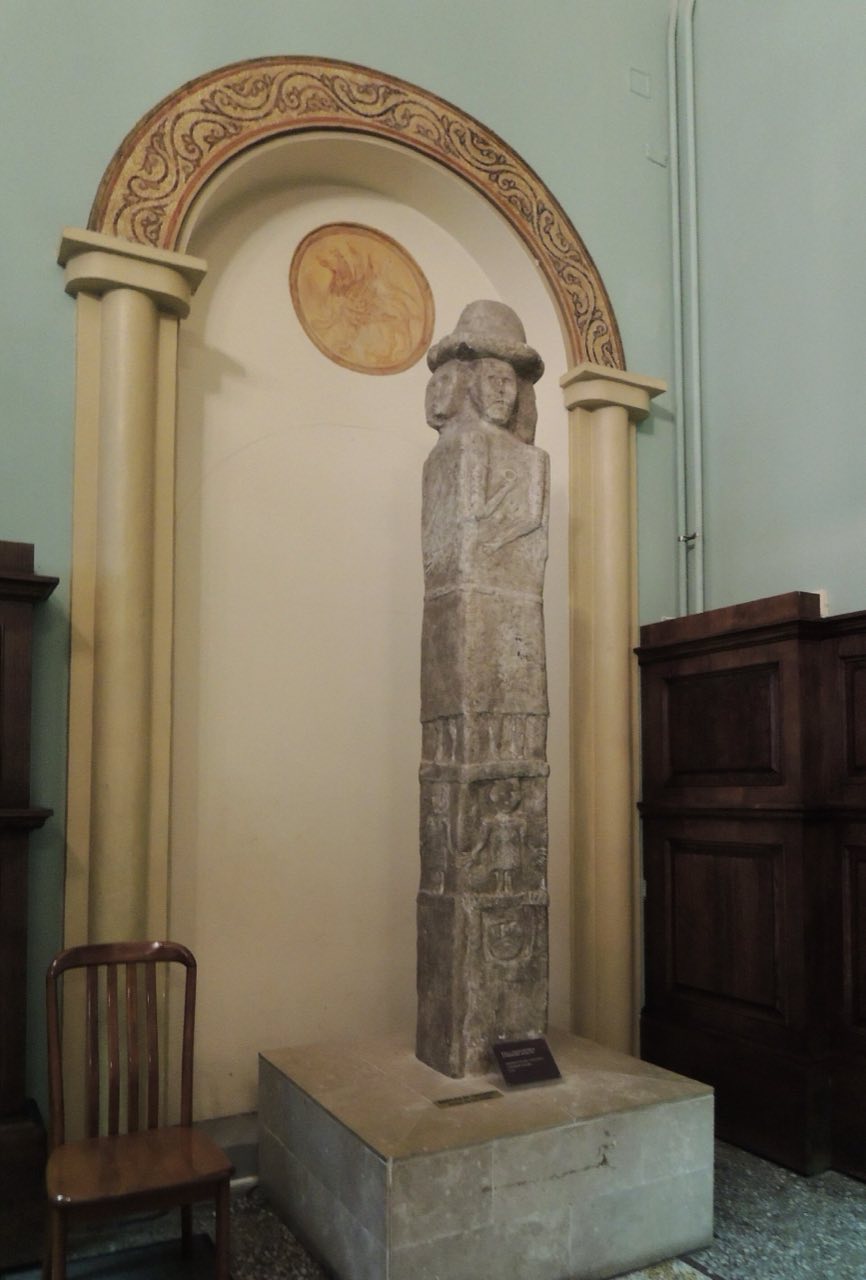
What can be verified is the date of the records and the disagreement among scholars. Lada appears first in Polish anti-pagan sermons from around the 15th century, and in Ukraine in the Kyiv Synopsis of 1674. Both are far later than the Christianization era, and no ancient mythic text about her has survived. Many scholars hold that "Lada" may only have been a refrain in folk songs or a word meaning lover or spouse, mistaken by medieval copyists for the name of a goddess, and Lada is therefore listed as a "phantom god". Other scholars point out that the refrain "lado, Lada" appears widely in Slavic and Baltic folk songs, and together with the surviving wedding vocabulary, this cannot easily be taken as proof that she never existed at all. Both views are presented side by side here, and this entry presents her as a goddess of legend whose reality remains uncertain. You should not treat her on the same footing as gods such as Perun and Mokosh, who have records of idols in the chronicles. The female figure on the Zbruch Idol has been identified by some scholars as Lada, but that identification is likewise uncertain.
Places you can visit
You can see the Zbruch Idol at the Archaeological Museum in Kraków and look at the male and female figures on its four-sided pillar, though there is no settled answer as to which figure is Lada. At spring folk festivals in Eastern Europe you can still hear songs with the "lado" refrain and see circle dances, the liveliest surviving legacy of the Lada legend. In wedding-custom displays you can also see introductions to wedding customs connected with the word "lad".
Image source · Copy of the Zbruch Idol (State Historical Museum, Moscow; the original is in the Archaeological Museum of Kraków) · shakko · CC BY-SA 4.0