
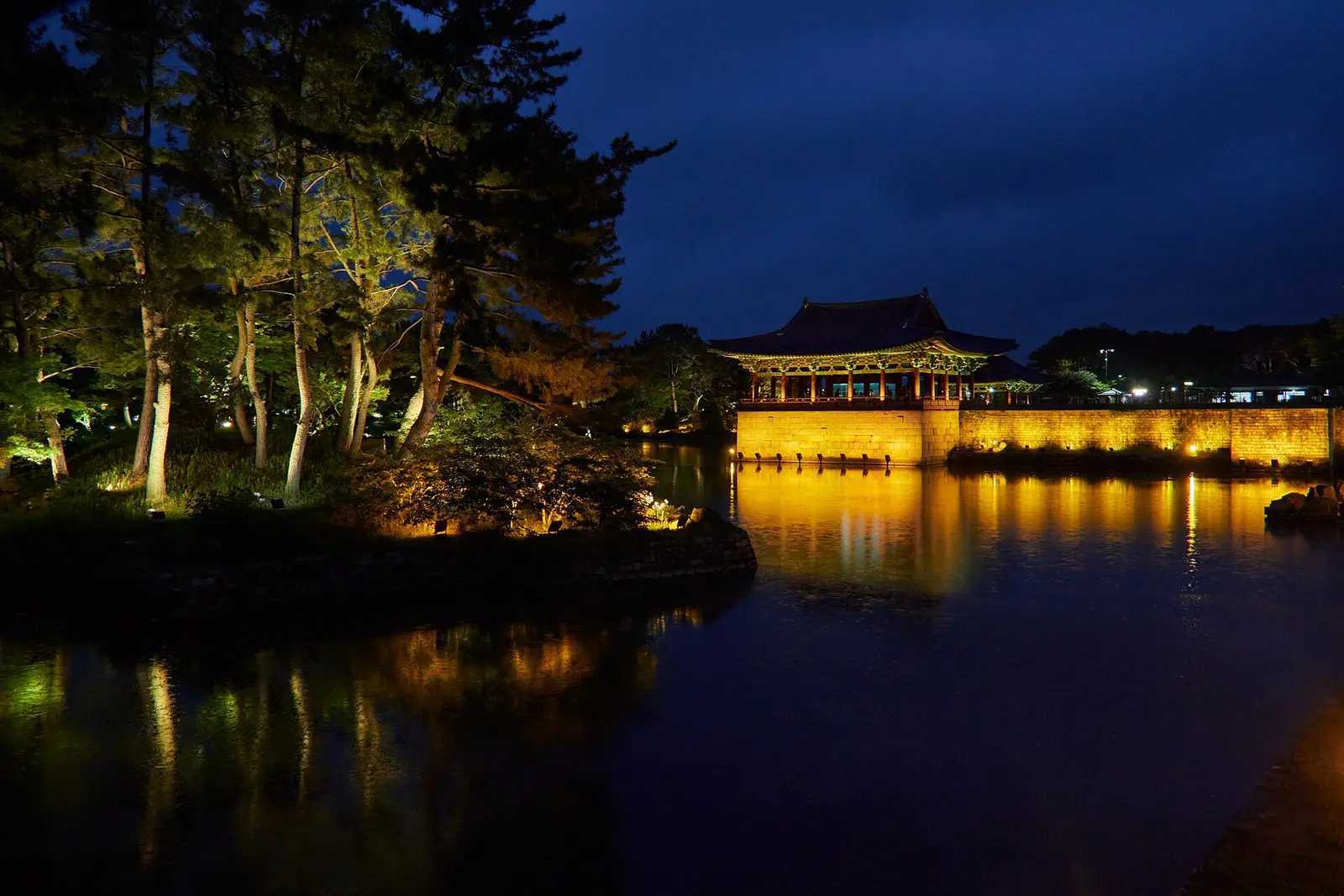
Donggung Palace and Wolji Pond
동궁과 월지 東宮과 月池 · Gyeongju, Gyeongsangbuk-do, South Korea
Detached palace and artificial pond of the Silla kings, where the pavilions reflected at night make Gyeongju's most beautiful scene
Know before you go
- Do not cross the railings at the pond's edge or throw anything into the pond
- stay on the paths within the site and do not step on the restored foundations
Culture
Culture & customs
Background
Donggung Palace and Wolji Pond were part of the Silla royal palace, on the northeastern edge of Wolseong. According to the Samguk Sagi, King Munmu dug a new pond in the palace, planted flowers and trees, and kept rare birds and animals, generally dated to 674; in 931, when Silla was already in decline, King Gyeongsun still held a banquet here. The pond is irregular in shape, about 200 m east to west and 180 m north to south, with three small islands. After Silla fell it was gradually abandoned; the Joseon-era Dongguk Yeoji Seungnam called it "Anapji" (Pond of Geese and Ducks), a name used for a long time afterwards. The Imhaejeon Hall site is the most important building in the grounds and is thought to have been the East Palace where the crown prince lived.
Local customs
- The pond was dredged and restored in 1974, and long-term excavations from 1975 to 1986 unearthed nearly 33,000 artifacts, including roof-end tiles, architectural parts, pottery, gilt-bronze Buddha statues, ornaments and everyday objects, providing rich material for understanding Silla Buddhist art and court life
- about 730 of them are on display in the Wolji Hall of Gyeongju National Museum. In 2018 Gyeongju City wanted to restore more buildings, but the plan was suspended after UNESCO objected.
Religion & beliefs
- A palace garden site with no religious activity
- the layout of the pond banks is thought to reflect the Taoist idea of the realm of immortals.
Etiquette & taboos
Etiquette & taboos
Don’t DON'T
- Do not cross the railings at the pond's edge or throw anything into the pond
- stay on the paths within the site and do not step on the restored foundations
Locals appreciate DO
- Come after sunset to see the illuminated pavilions reflected in the water and walk a loop around the pond
- then visit the Wolji Pavilion of Gyeongju National Museum to see the artifacts recovered from the pond bed
Plan your visit
Practical info
Travel tips
- It lies east of Wolseong in the city centre, within walking or cycling distance of Cheomseongdae and Daereungwon, and the Gyeongju National Museum is nearby. Crowds are biggest during the evening illumination
- arrive a little before dusk to see the twilight before the lights come on. Allow about 1 hour
- opening hours follow on-site notices.
Photos
Photos
lumoplank · CC0
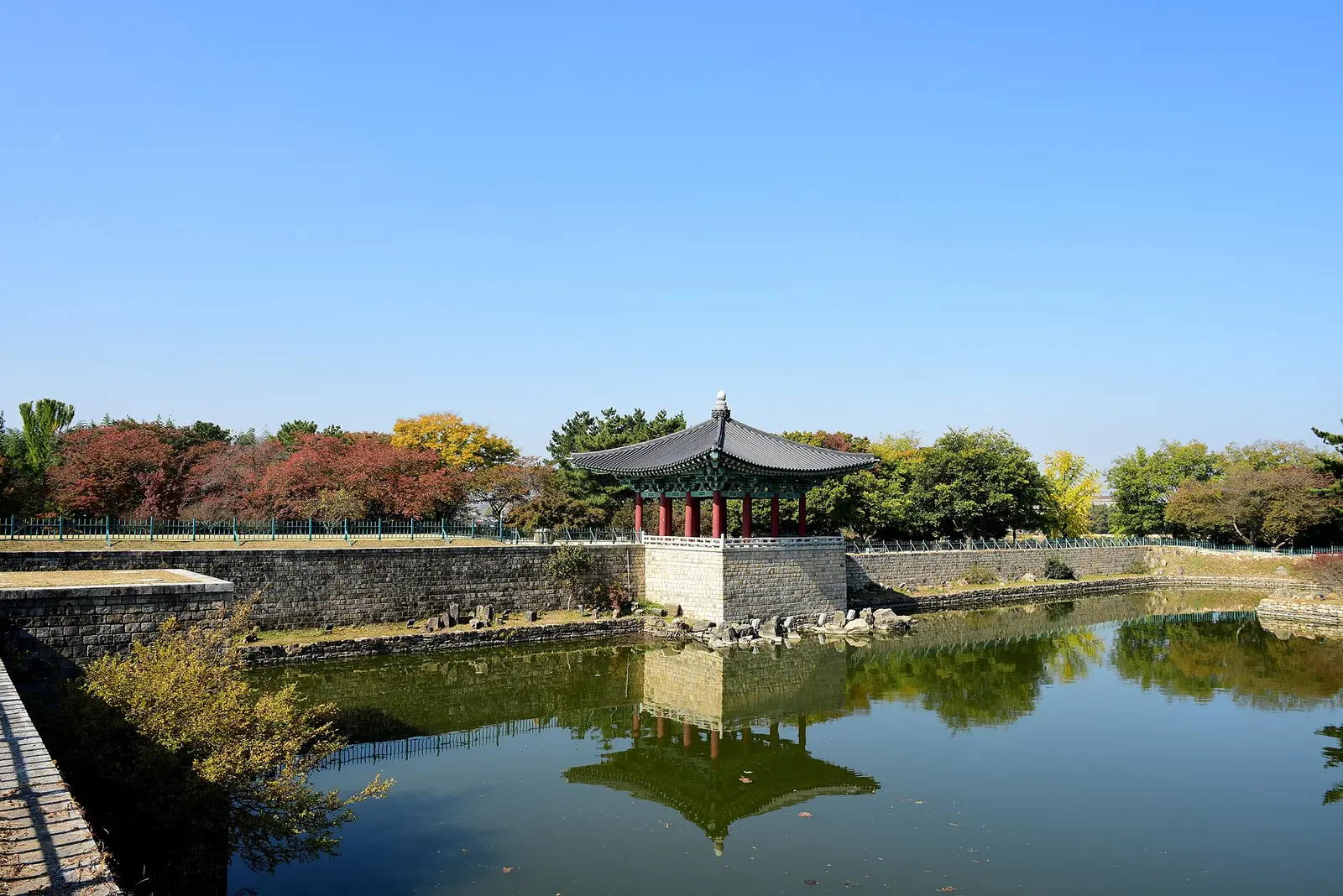
Korea Heritage Service · CC BY-SA 4.0
Sources & verification notes
How do you like this place?
More nearby
Also in Gyeongju
Nearby sights
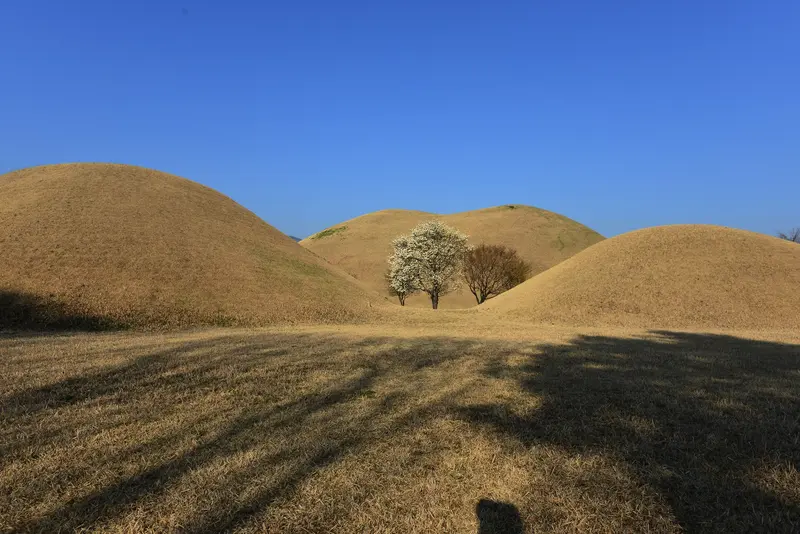
Daereungwon Tomb Complex
Silla royal tombs rising from the flat ground of the city center; the gold crown and the Heavenly Horse painting were found in Cheonmachong
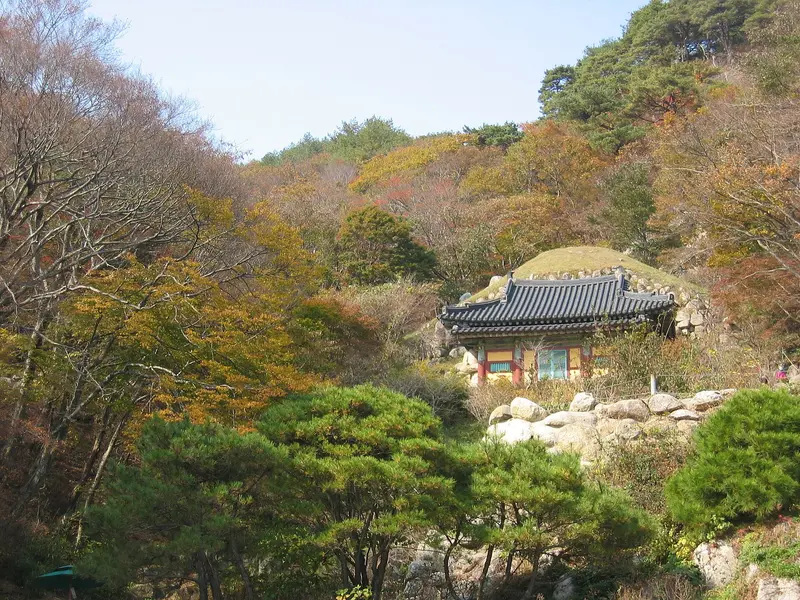
Seokguram Grotto
A man-made granite grotto on Tohamsan Mountain, its main Buddha facing the sunrise over the East Sea
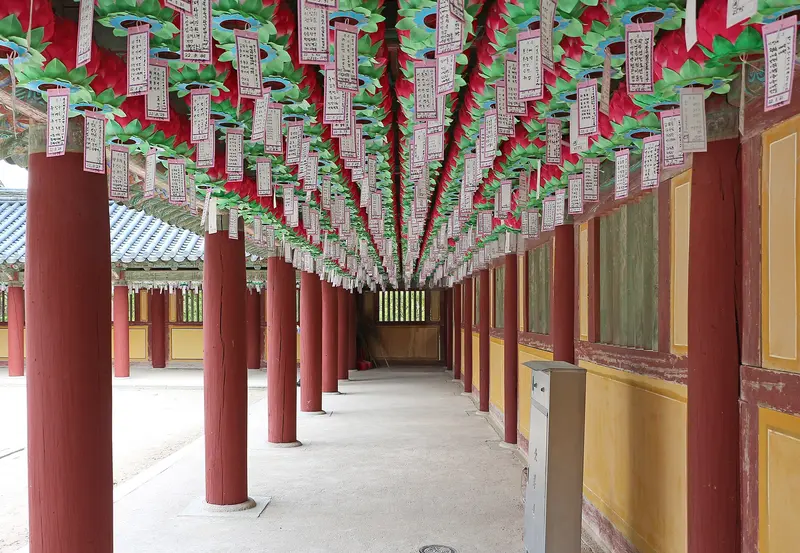
Bulguksa Temple
The pinnacle of Unified Silla Buddhist art: the Cheongungyo and Baegungyo bridges and the Seokgatap and Dabotap pagodas