
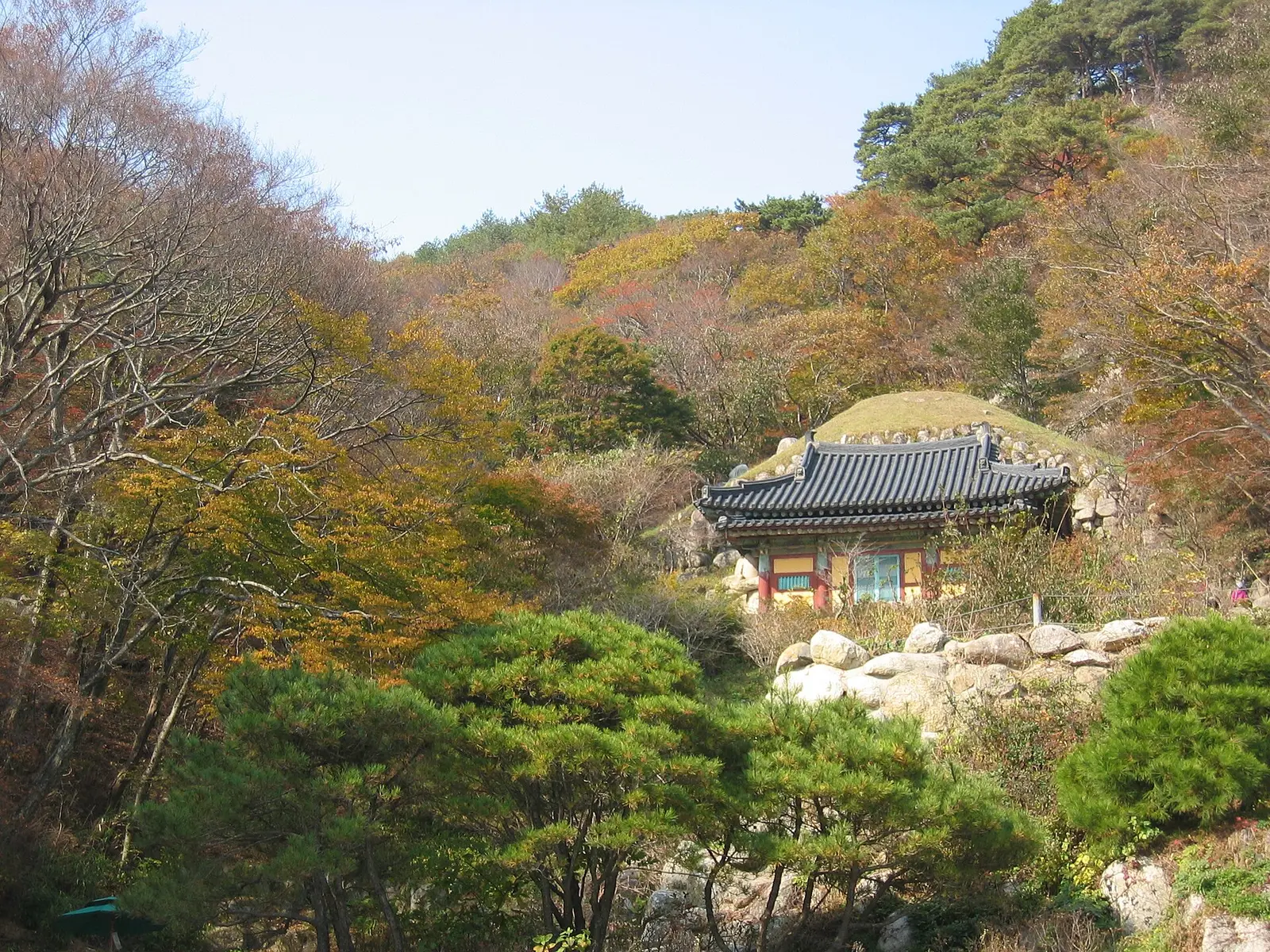
Seokguram Grotto
석굴암 石窟庵 · Gyeongju, Gyeongsangbuk-do, South Korea
A man-made granite grotto on Tohamsan Mountain, its main Buddha facing the sunrise over the East Sea
Know before you go
- Photography is prohibited inside the grotto to protect the relics
- don't tap or lean on the glass wall
- wait quietly when worshippers are in front of you
Culture
Culture & customs
Background
Seokguram stands at 750 m above sea level on Tohamsan Mountain, about 3 km from Bulguksa Temple below, and belongs to Bulguksa. It is also said to have been built by Kim Dae-seong; originally called Seokbulsa, it was begun in 751 and completed by the Silla royal court in 774. The Korean Peninsula is mostly hard granite, which made it difficult to carve cliff caves as in India and China, so Silla craftsmen built the antechamber, corridor and circular main chamber by hand from more than 360 stone slabs, without mortar, fixing them with stone tenons; the dome is covered with half-moon-shaped stones and topped with a lotus ornament. The main seated Buddha is 3.5 m tall and sits on a lotus pedestal 1.34 m high, making the earth-touching mudra; a round stone carved with lotus petals on the wall behind creates the effect of a halo. Around it are reliefs of bodhisattvas, the Ten Great Disciples, Brahma and Indra, and at the centre of the back wall is the Eleven-faced Avalokitesvara, the only figure facing straight out. It was designated a National Treasure in 1962 and inscribed as a World Heritage Site together with Bulguksa in 1995.
Local customs
- From near the main Buddha you can look out over the sunrise on the East Sea, and watching the sunrise is the most popular experience here. It was repaired in 1703 and 1758 in the Joseon era and badly damaged by the early 20th century
- in 1913–1915 the Japanese colonial authorities dismantled and reassembled it and encased it in concrete, which led to damp and seepage. During restoration in the 1960s mechanical temperature and humidity control equipment was installed, and how faithful it is to the original remains debated to this day.
Religion & beliefs
- A Buddhist holy site where worshippers bow and pray before the grotto
- the route of the pilgrimage symbolizes a journey of practice that sets out from Bulguksa Temple at the foot of the mountain toward nirvana.
Etiquette & taboos
Etiquette & taboos
Don’t DON'T
- Photography is prohibited inside the grotto to protect the relics
- don't tap or lean on the glass wall
- wait quietly when worshippers are in front of you
Locals appreciate DO
- Go up the mountain early to watch the sunrise, then return to pay respects in front of the grotto
- learn the layout of the main Buddha, the Eleven-faced Avalokitesvara and the reliefs beforehand so you can make sense of them through the glass.
Plan your visit
Practical info
Travel tips
- The main chamber can now only be viewed through a glass wall. Take the bus up from Bulguksa or walk the mountain path
- on winter mornings it is cold on the mountain and the road may be icy. Allow about 1 hour
- opening hours are as announced by the temple.
How do you like this place?
More nearby
Also in Gyeongju
Nearby sights
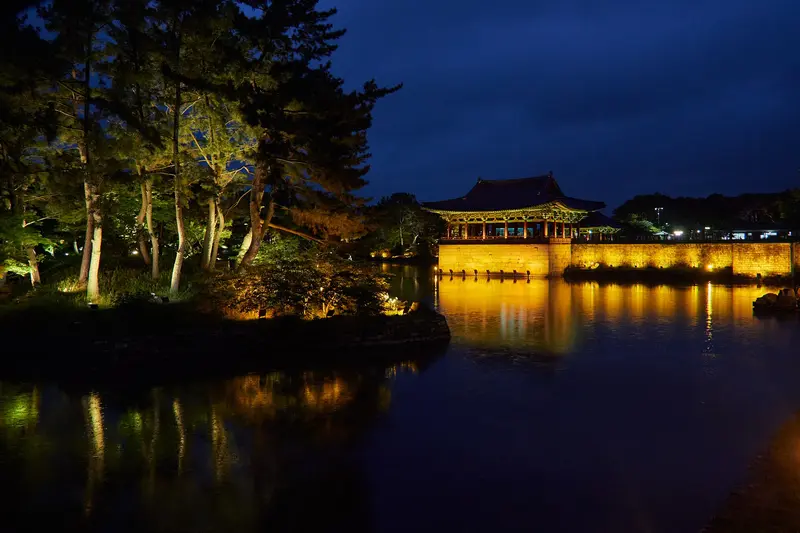
Donggung Palace and Wolji Pond
Detached palace and artificial pond of the Silla kings, where the pavilions reflected at night make Gyeongju's most beautiful scene
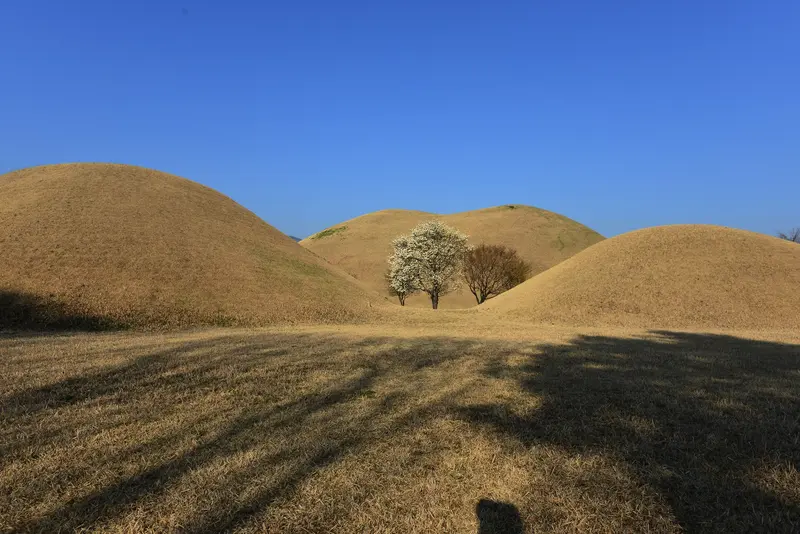
Daereungwon Tomb Complex
Silla royal tombs rising from the flat ground of the city center; the gold crown and the Heavenly Horse painting were found in Cheonmachong
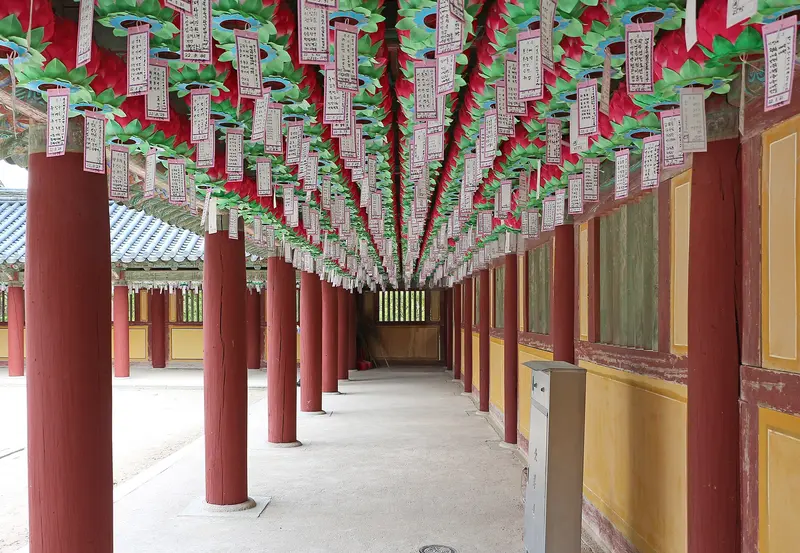
Bulguksa Temple
The pinnacle of Unified Silla Buddhist art: the Cheongungyo and Baegungyo bridges and the Seokgatap and Dabotap pagodas