
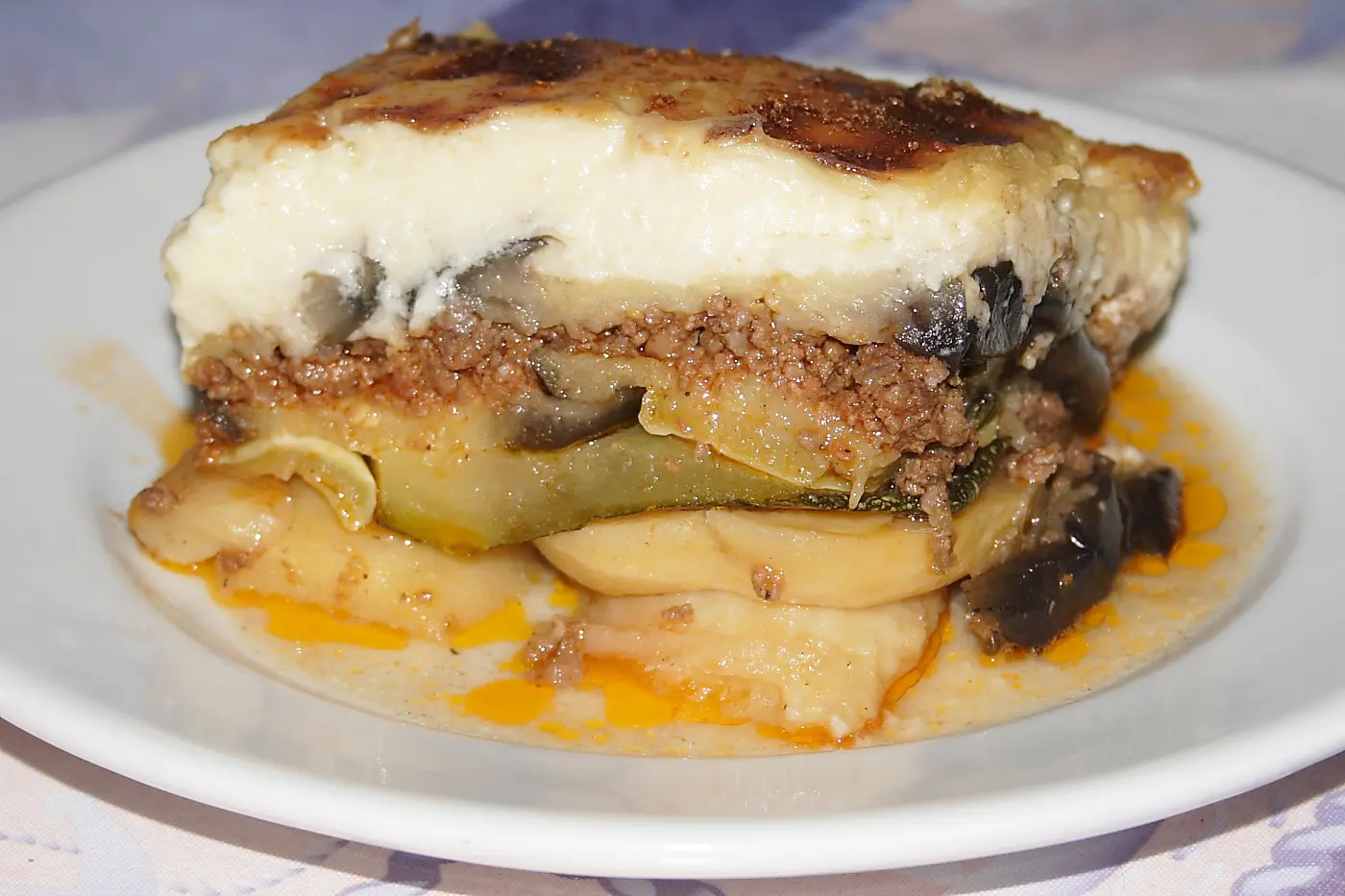
Greek moussaka
Μουσακάς Moussaka · Athens, Greece
Layers of eggplant, meat sauce and béchamel baked together; today's Greek version was set by a famous chef in the 1920s.
Know before you go
- Do not hurry the food or ask for the bill and leave the moment you finish, as Greeks eat at a slow pace
- do not make the gesture of an open palm with fingers spread toward the staff (an offensive gesture in Greece)
- do not picnic or eat within archaeological sites
This article is Not yet verified. Please check official announcements for prices, opening hours and dates.
Culture
Culture & customs
Background
Moussaka is a baked dish based on eggplant or potatoes, often with minced meat, common in both the Balkans and the Middle East, with recipes varying widely by place. According to English Wikipedia, the modern Greek version was created in the 1920s by the famous chef Nikolaos Tselementes: eggplant and meat sauce are layered and topped with a white sauce (béchamel) thickened with egg or flour, then baked and served hot. Tselementes also devised a vegan version for Orthodox fast days. A similar earlier dish appears in al-Baghdadi's 13th-century Arabic cookbook: slices of eggplant alternated with seasoned minced meat and onions in a shallow dish; 19th-century Ottoman Turkish cookbooks also contain several recipes. Versions in Egypt, Turkey and elsewhere are quite different from the Greek one.
Local customs
- In Greek tavernas, moussaka is often baked before noon, cut into squares and served warm rather than piping hot, so the layers are more distinct
- it is usually accompanied by Greek salad and bread and shared with other dishes.
Religion & beliefs
- The Greek Orthodox Church has many fasting days (such as Great Lent before Easter), during which many people avoid meat and dairy
- at these times some restaurants offer meatless fasting versions, and Tselementes himself designed a vegan moussaka.
Etiquette & taboos
Etiquette & taboos
Don’t DON'T
- Do not hurry the food or ask for the bill and leave the moment you finish, as Greeks eat at a slow pace
- do not make the gesture of an open palm with fingers spread toward the staff (an offensive gesture in Greece)
- do not picnic or eat within archaeological sites
- do not expect a taverna still to have moussaka left late in the afternoon.
Locals appreciate DO
- Greeks appreciate guests who order several dishes for the group to share
- saying it is 'just like grandma makes', or asking the owner whether it is homemade, often earns an enthusiastic explanation. Using leftover bread to mop up the sauce on the plate is perfectly natural in Greek home-style tavernas.
Plan your visit
Practical info
Travel tips
- Moussaka is served in tavernas in Athens' Plaka, Monastiraki, Psyrri and the residential neighborhoods
- a meal takes about an hour. Home-style eateries usually have the day's oven dishes ready by midday, so lunch offers the widest choice. It combines well with the Acropolis, the Ancient Agora and a walk around Plaka. Dietary notes: moussaka usually contains lamb or beef, and the béchamel contains milk, butter, flour and eggs, so it is not suitable for those allergic to dairy, gluten or eggs
- some versions add potato or zucchini
- vegetarians can look for meatless versions during fasting periods or ask the restaurant. Athens is hot at midday in summer, so visit the sites first and have lunch afterward. Prices and opening hours are set by each restaurant
- popular old places often have queues, so eating outside peak mealtimes is more relaxed.
Photos
Photos
Robert Kindermann (RobertK) · CC BY-SA 2.5
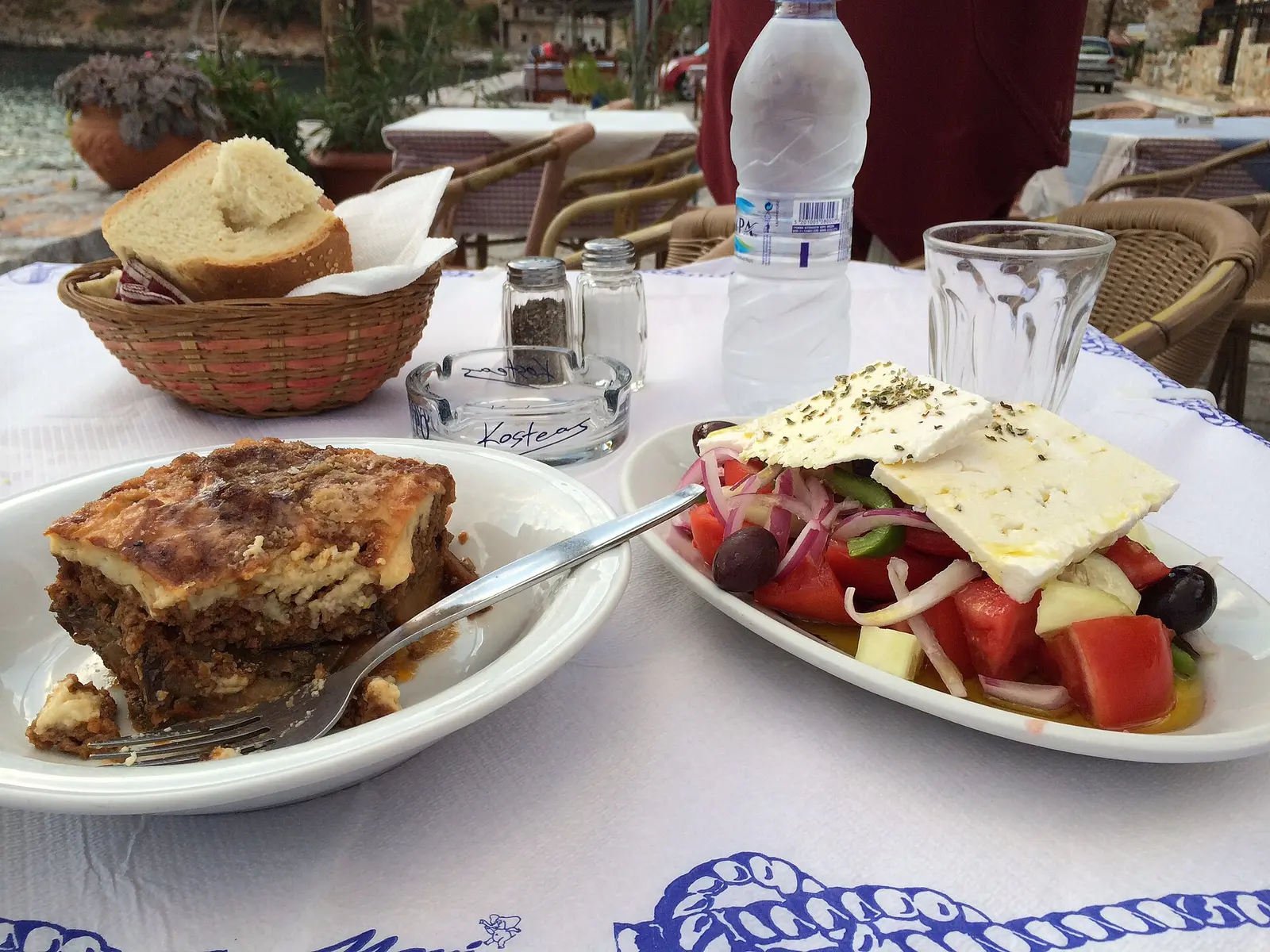
Vouliagmeni · CC BY-SA 4.0
Sources & verification notes
How do you like this place?
More nearby
Also in Greece
Nearby sights
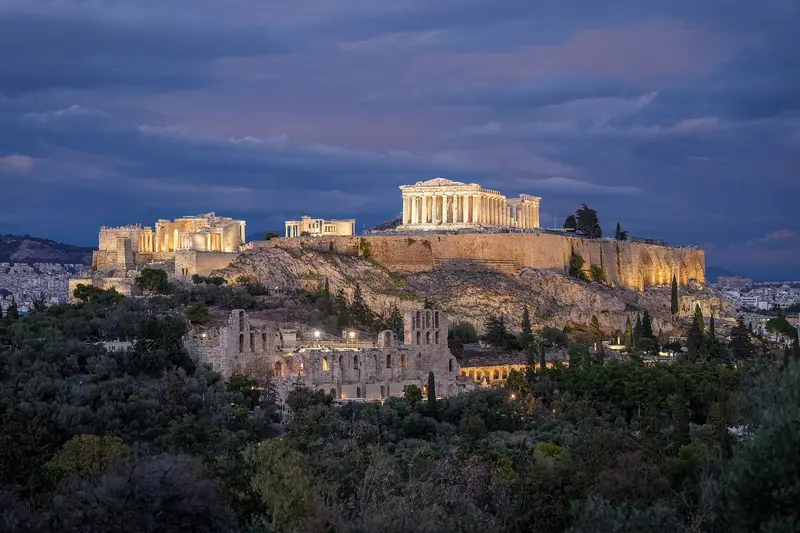
The Acropolis of Athens
Sunrise over the Parthenon, where Western civilisation caught its first light
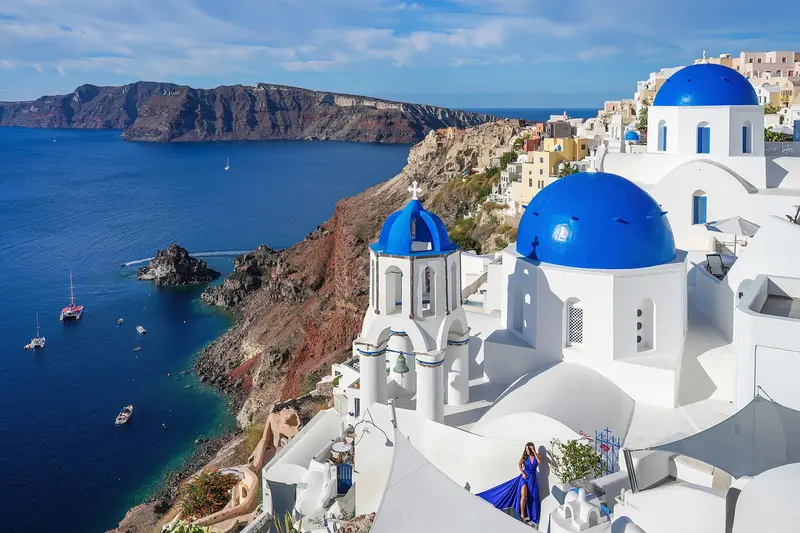
Santorini
Blue-domed churches and white cave houses: the ultimate Aegean romance on a cliff
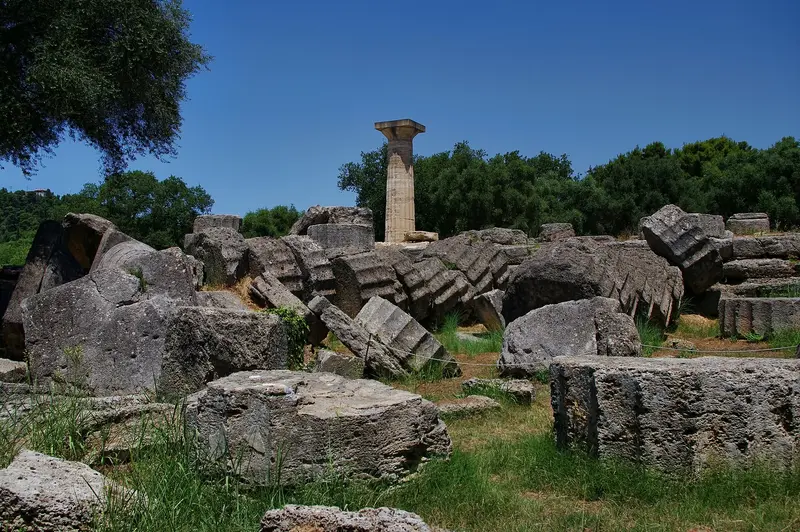
Olympia
The birthplace of the ancient Olympic Games and ancient Greece's most important sanctuary of Zeus: wander between the ruins of the temples of Ze…
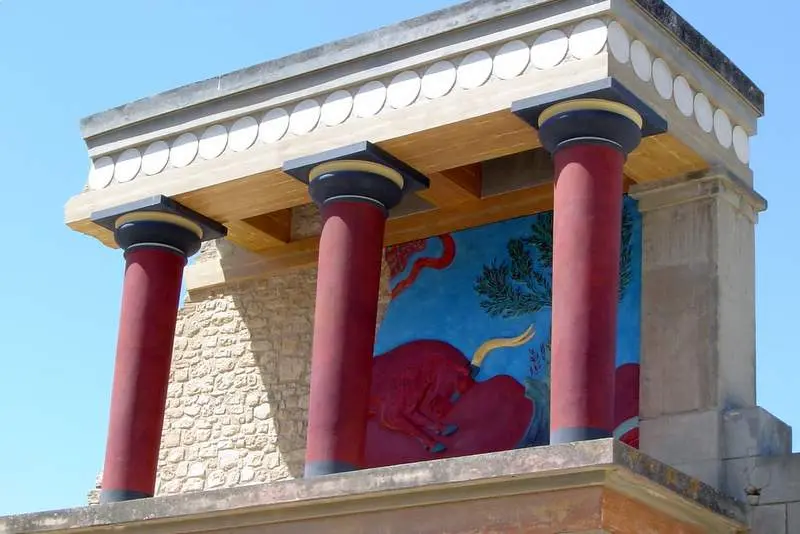
Knossos
One of Europe's oldest cities and the heart of Minoan civilisation: the Throne Room, giant storage jars, the central court and the bull-leaping …
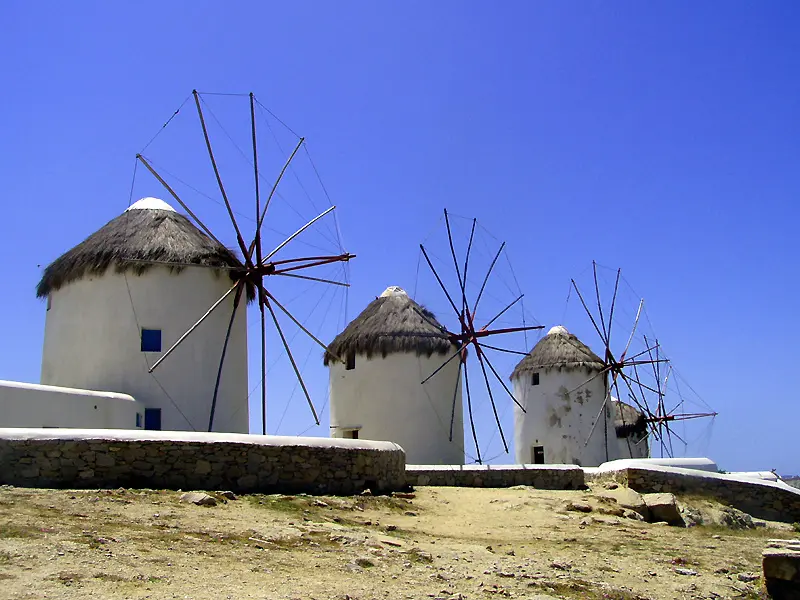
Mykonos
A row of windmills on the Kato Mili hill, the colourful balconies of Little Venice hanging over the sea, and Aegean sunsets at the end of whitew…
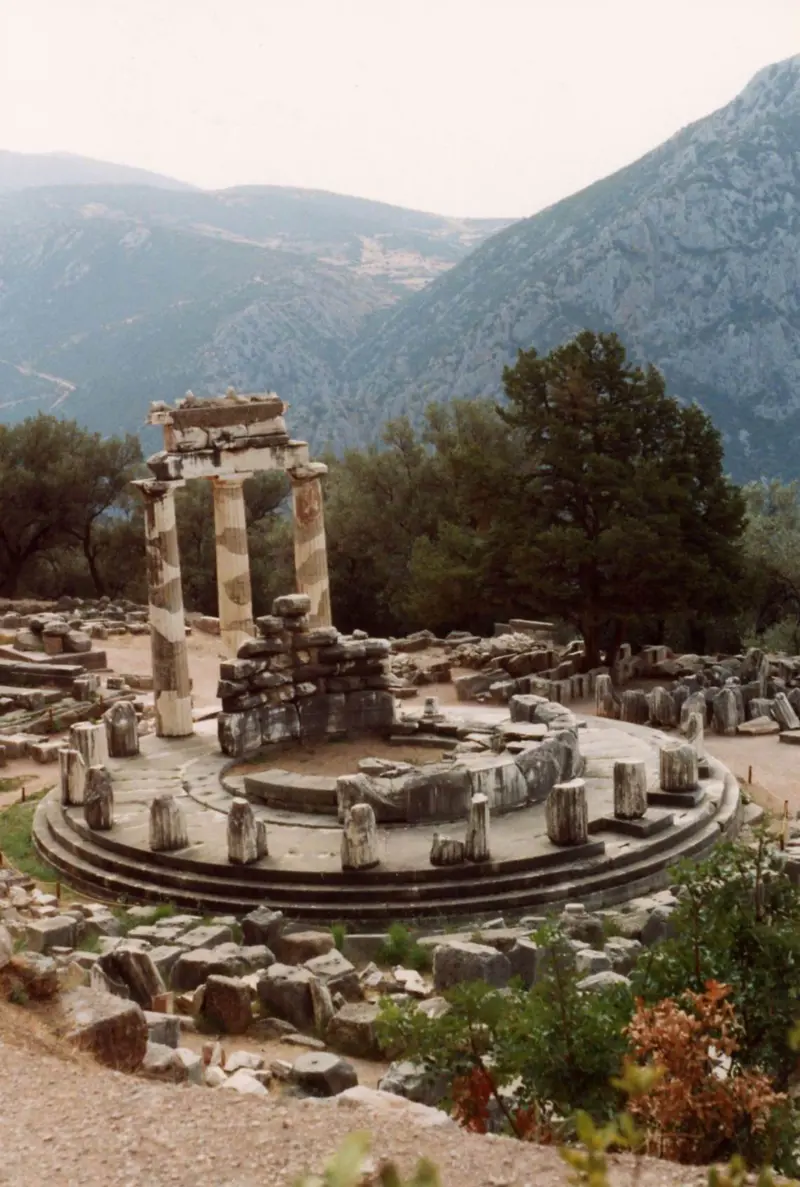
Delphi
A sanctuary of Apollo on the slopes of Mount Parnassus, where the temple, treasuries and theatre rise tier by tier along the Sacred Way; the mus…
Local legends
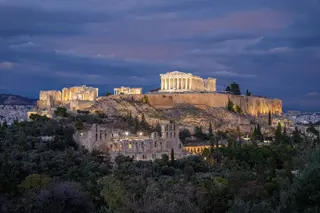 The Acropolis of AthensAthena and Poseidon compete for AthensIn myth, Athena, goddess of wisdom, and Poseidon, god of the sea, competed to be the city's prot…
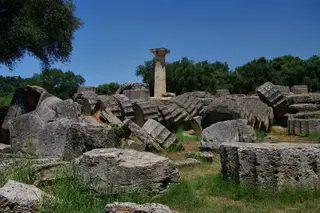 OlympiaPelops's Chariot RaceOne myth says the hero Pelops defeated King Oenomaus in a chariot race and held funeral games in…OlympiaHeracles and the Sanctuary of ZeusAnother myth credits Heracles with founding the games: to honour his father Zeus, he marked out …
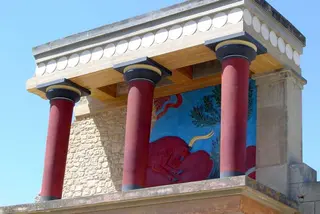 KnossosThe Labyrinth and the MinotaurGreek myth tells that King Minos had the craftsman Daedalus build a labyrinth to hold the Minota…
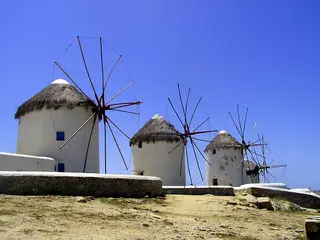 MykonosThe Balconies of Little VeniceThe first waterfront houses of Little Venice were built in the mid-18th century, mostly for weal…
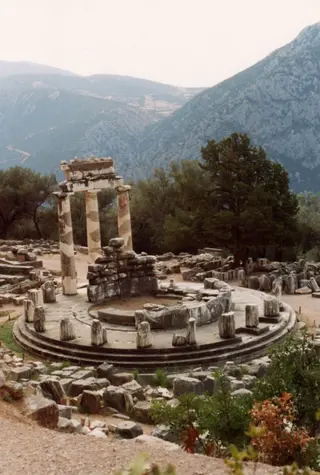 DelphiZeus's two eagles and the navel of the worldLegend says Zeus released two eagles from opposite ends of the earth, and they met at Delphi, wh…