Santorini · photo 1

Cultural region

Europe

Between cobblestones and church bells, learn how Europeans greet, how they pace their meals and how they cherish their heritage.

Photo: Giles Laurent · CC BY-SA 4.0

A sense of place

Europe

Churches, squares, and slow living

Magnificent Gothic cathedrals and ancient cobblestone squares are the soul of the cities, with the lingering charm of the Renaissance flowing in the air. The people here wear heavy history like a garment yet live with the lightest touch. Between open-air corner cafes, art museums, and long afternoons, Europe defines the elegant philosophy of slow living.

In the Old Continent, history is the background music of everyday life.

01

Cultural character

Europe's sense of travel comes from "a thousand years within walking distance": on a single square, Roman foundations, a medieval church, a Baroque fountain, and open-air café terraces can appear in the same frame. Europeans live their public life in squares and markets — a morning market, an afternoon coffee, an evening aperitivo — and a city's character is written across its daily schedule. Language and custom change every hour or two on the road: Nordic restraint, southern European warmth, the weight of Central and Eastern Europe — like a collection of short stories bound in a single volume.

02

Seasonal character

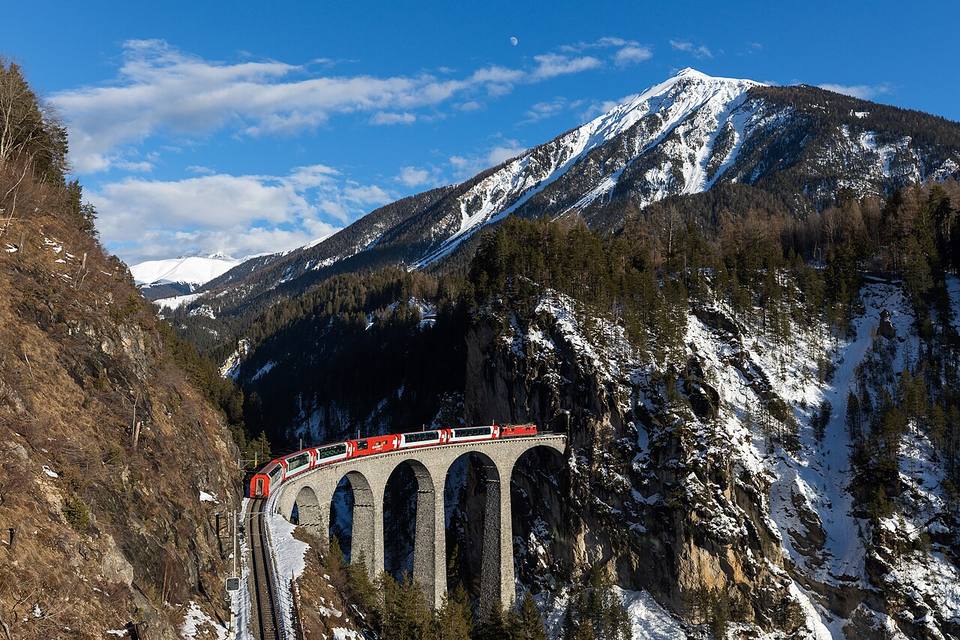
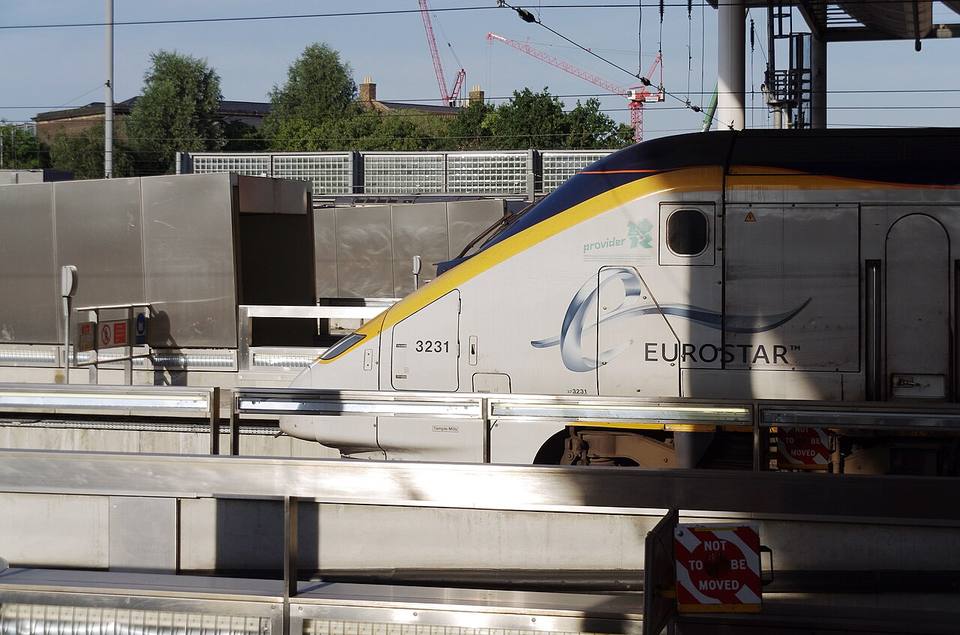
Each of Europe's four seasons is a famous scene in its own right: spring brings Dutch flower fields, flower markets in the south of France, and Easter markets everywhere; summer has long days and short nights, with music festivals, beaches, and lake districts in full swing, and near-white nights in the north; autumn is the harvest season — vineyard picking, beer festivals, truffles, and red leaves; winter splits two ways, south to Mediterranean sunshine and Christmas markets, north to Alpine ski resorts and Lapland auroras. Schengen and the rail network make "one trip, several countries' seasons" possible — the Eurostar and night trains are themselves part of the experience.

03

Cultural depth

Europe's foundation is civilization in layers: Greece and Rome as the base, the Christian Middle Ages shaping it, the Renaissance and the Enlightenment rewriting it, and finally museums and heritage systems preserving it. What is unique here is that myth and epic remain reachable on foot — the oracle sanctuary at Delphi, the running track at Olympia, and the plains of Troy are still where they always were; nor does art hang only in museums — it grows on church domes, bridgehead statues, and the façades of everyday buildings. To understand Europe is to read three thousand years on a single street.

Keywords

  • walkable cities
  • square life
  • rail roaming
  • layered civilizations

Signature experiences

pilgrimages through Italy's art cities, long museum days in Paris and London, Nordic fjords and auroras, Christmas-market journeys, a ten-country rail loop

Regional deep dives

Read deeper into each place

Places, stories, food and practical guidance, together in their geographic setting.

Places to explore

Italy5
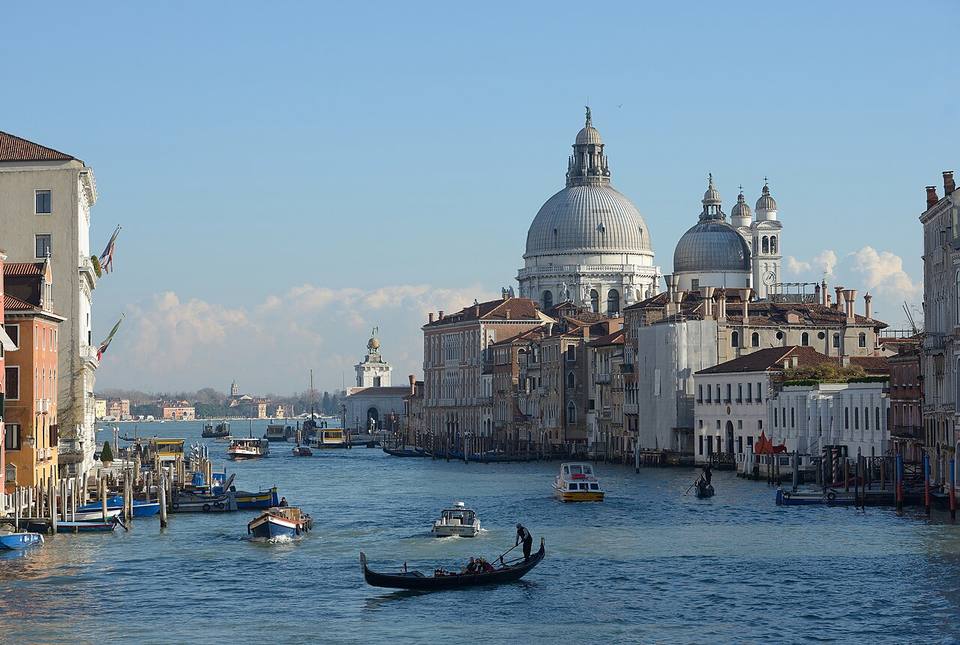
St Mark's Square, Venice

Italy · Piazza / historic city

St Mark's Square, Venice

The "finest drawing room in Europe," as Napoleon called it: the golden mosaics of St Mark's Basilica, the campanile and the Doge's Palace enclose a marble floor that floods.

Explore the local guide ↗

Source leads: Venice municipal government / official site of St Mark's Basilica; UNESCO materials on the Venice World Heritage site.

Image source · LukasLa · CC0

Florence Cathedral (Santa Maria del Fiore)

Italy · Church architecture / Renaissance

Florence Cathedral (Santa Maria del Fiore)

Brunelleschi's great dome, raised between 1420 and 1436 without scaffolding, has ruled the skyline for six hundred years; climb its 463 steps and the whole capital of the Renaissance lies at your feet.

Explore the local guide ↗

Source leads: Opera di Santa Maria del Fiore (official body of Florence Cathedral); UNESCO materials on the Historic Centre of Florence.

Image source · George M. Groutas · CC BY 2.0

Milan Cathedral

Italy · Church architecture / city landmark

Milan Cathedral

One of the largest churches in the world, held up by 135 spires and 2,245 statues; on its roof terrace you can walk through a forest of stone almost within reach of the golden Madonnina's sky.

Explore the local guide ↗

Source leads: Milan Cathedral (official site of the Veneranda Fabbrica del Duomo); Milan city tourism materials.

Image source · Sarah Samoraj · CC BY 4.0

Cinque Terre

Italy · Coastal villages / World Heritage

Cinque Terre

Monterosso, Vernazza, Corniglia, Manarola and Riomaggiore — five villages in painted houses pinned to the cliffs, linked village to village by footpaths and sea wind.

Explore the local guide ↗

Source leads: Cinque Terre National Park (official); UNESCO, Cinque Terre World Heritage site (1997).

Image source · This Photo was taken by Timothy A. Gonsalves. Feel free to use my photos, but please mention me as the author. I would much appreciate if you send me an email [email protected] or write on my talk page, for my information. Please contact me before commercial use. Please do not upload an edited image here without consulting me. I would like to make corrections only at my own source to ensure that the changes improve the image and are preserved.Otherwise you may upload an edited image with a new name. Please use one of the templates derivative or extract. · CC BY-SA 4.0

Pompeii

Italy · Archaeological site / World Heritage

Pompeii

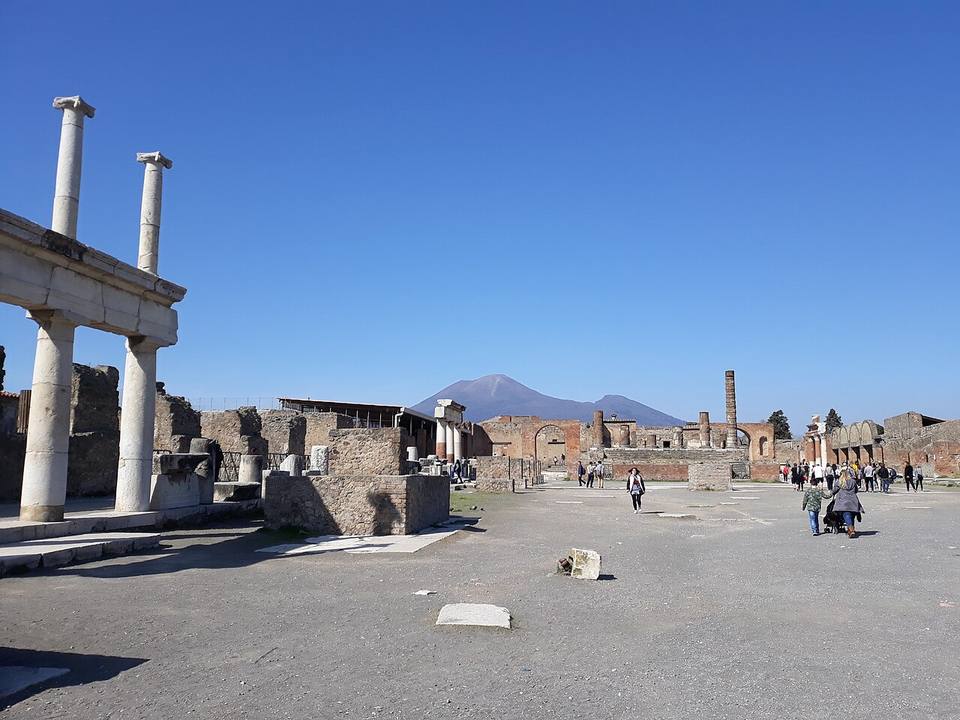
A whole Roman city sealed in a single night by Vesuvius in AD 79: the millstones in its bakeries, price lists painted in its taverns and ruts worn deep in its streets — here time is not past, but paused.

Explore the local guide ↗

Source leads: Archaeological Park of Pompeii (official); UNESCO, Pompeii World Heritage site (1997).

Image source · Simon Burchell · CC BY-SA 4.0

Spain3
The Alhambra

Spain · Palace architecture / World Heritage

The Alhambra

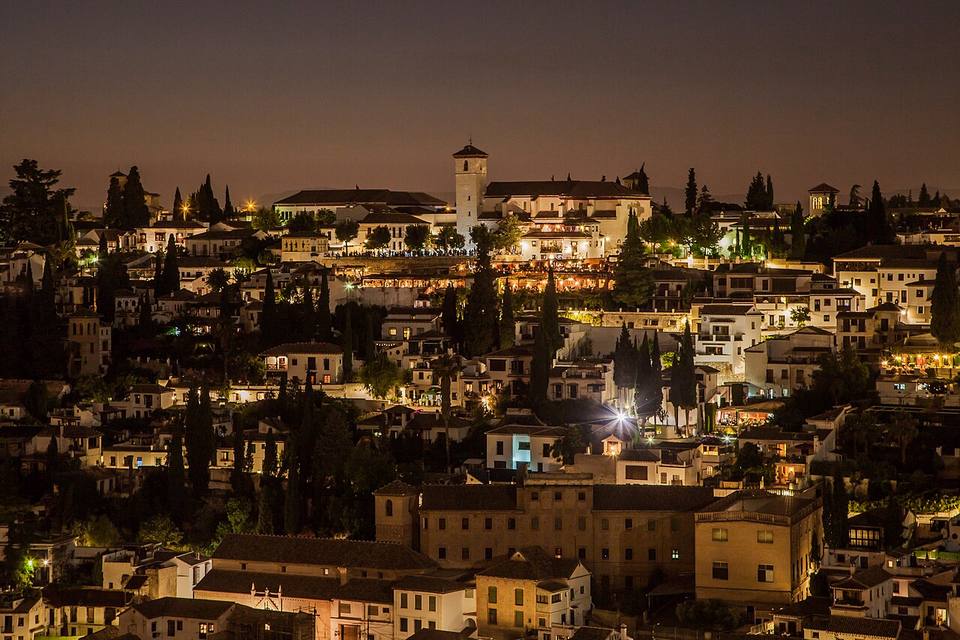
The Nasrid dynasty's red palace-city: the sound of water in the Court of the Lions, the reflection in the Court of the Myrtles, and Arabic ornament over every wall — a leading surviving example of Islamic art in Europe, with tickets to fight for a month ahead.

Explore the local guide ↗

Source leads: The Alhambra's governing body (Patronato de la Alhambra, official); UNESCO, Alhambra World Heritage site (1984).

Image source · Grand Parc - Bordeaux, France from France · CC BY 2.0

Seville Cathedral and the Plaza de España

Spain · Church architecture / plaza

Seville Cathedral and the Plaza de España

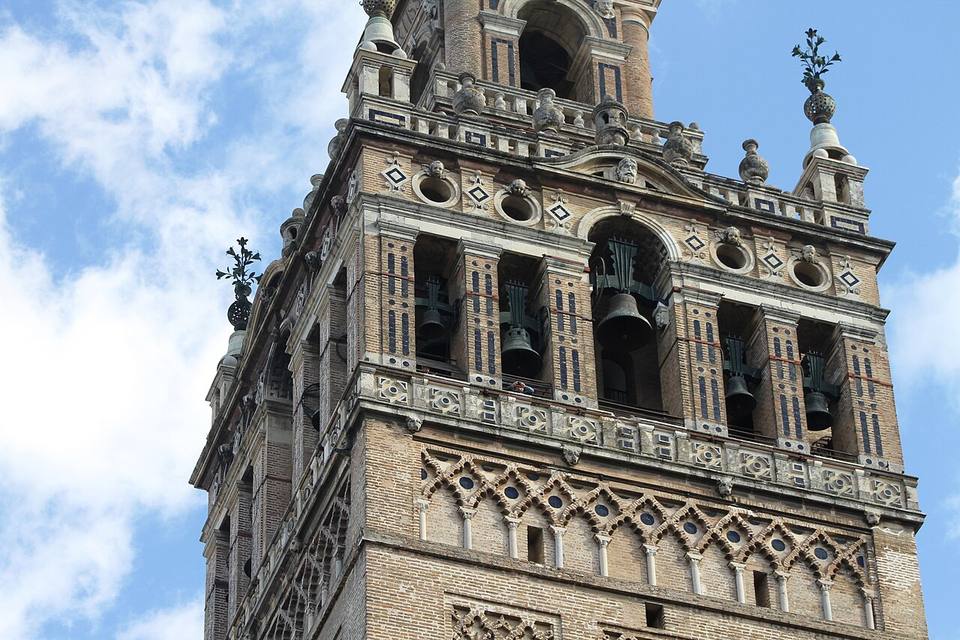
The world's largest Gothic cathedral holds the tomb of Columbus, and the Giralda was once a mosque's minaret; turn the corner to the Plaza de España, where a semicircular tiled arcade draws all of Spain's provinces into a three-dimensional book.

Explore the local guide ↗

Source leads: Seville Cathedral (official); UNESCO, Seville Cathedral heritage site (1987); Seville city tourism.

Image source · José Luiz · CC BY-SA 3.0

Park Güell

Spain · Park / Gaudí architecture

Park Güell

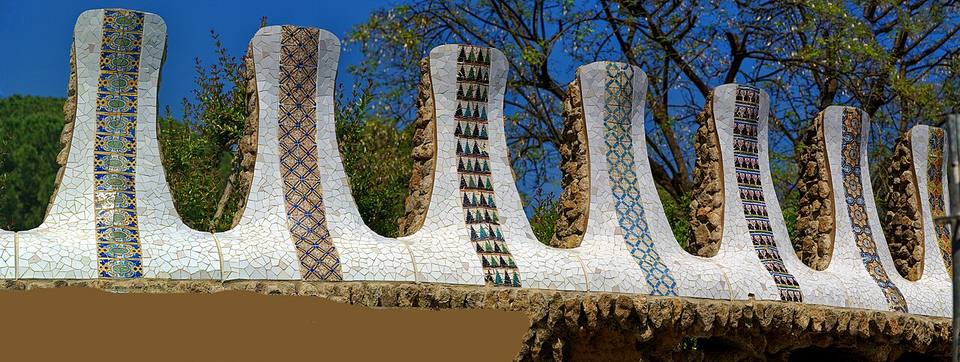
Gaudí turned a failed property venture into a fairy-tale park: a mosaic lizard stands guard at the gate, a wave-shaped bench rings the square, and Barcelona runs down from your feet all the way to the sea.

Explore the local guide ↗

Source leads: Park Güell (official — Barcelona municipal parks); UNESCO, Works of Gaudí (1984).

Image source · Txllxt TxllxT · CC BY-SA 4.0

Central & Eastern Europe5
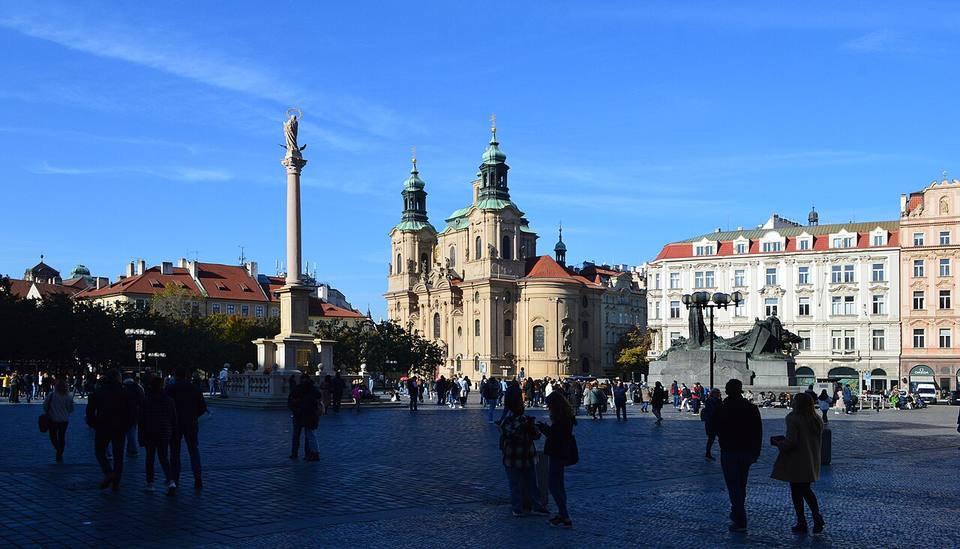
Prague Old Town Square and Charles Bridge

Central & Eastern Europe · Square / historic bridge

Prague Old Town Square and Charles Bridge

On Prague's Old Town Square the town hall's astronomical clock sends out its procession of apostles every hour, while the thirty statues of Charles Bridge have stood in the morning mist for six hundred years — Prague's cover and its soul in a single kilometre.

Explore the local guide ↗

Source leads: Prague City Tourism (official); Prague City Hall materials on the astronomical clock.

Image source · Scotch Mist · CC BY-SA 4.0

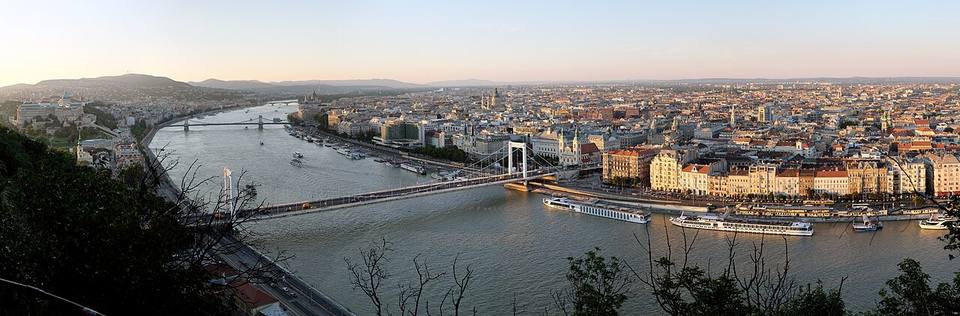
Budapest Parliament and Fisherman's Bastion

Central & Eastern Europe · Parliament building / viewpoint

Budapest Parliament and Fisherman's Bastion

On the Danube's left bank the 96-metre Parliament casts its reflection on the water, while on the right bank Fisherman's Bastion's seven white towers stand guard over the whole city — Budapest's national dignity and its fairy tale face each other across a single river.

Explore the local guide ↗

Source leads: Hungarian Parliament visitor service (official); Budapest city tourism (official).

Image source · Mgimelfarb · CC BY-SA 4.0

Central & Eastern Europe · Historic city / city of music

Salzburg Old Town

A fortress rides the hill above, the wrought-iron signs hang in a row along Getreidegasse, and Mozart was born at No. 9 on that very street in 1756 — the old town, listed as World Heritage in 1996, is a Baroque score in its entirety.

Explore the local guide ↗

Source leads: Salzburg city tourism (official); UNESCO, Historic Centre of Salzburg (1996).

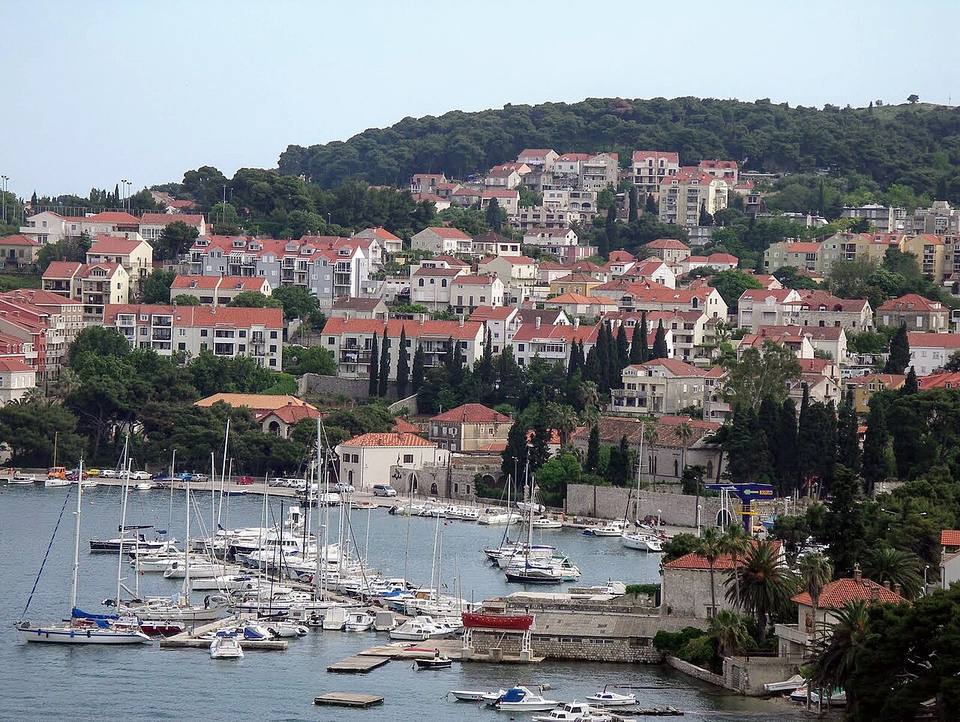
Dubrovnik Old Town

Central & Eastern Europe · Old city / seaside

Dubrovnik Old Town

Two kilometres of city walls ring a marble old town, and Stradun gleams bright enough to see your face in — the "Pearl of the Adriatic" played King's Landing in Game of Thrones, and off-screen it is still the real home of Croatians.

Explore the local guide ↗

Source leads: Dubrovnik city tourism / the walls' managing body; UNESCO, Old City of Dubrovnik (1979).

Image source · René Cortin · CC BY-SA 4.0

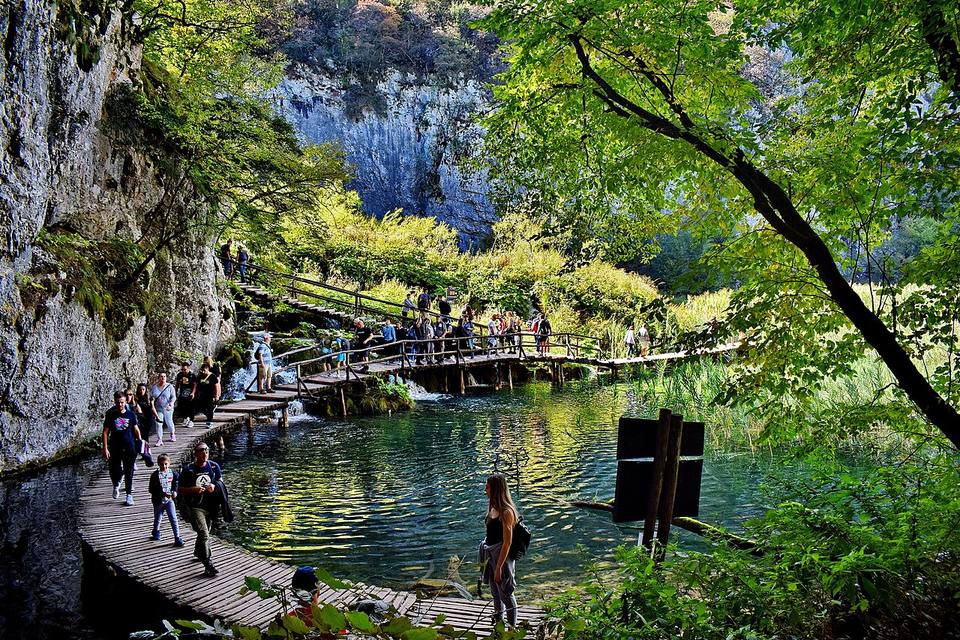
Plitvice Lakes National Park

Central & Eastern Europe · National park / natural heritage

Plitvice Lakes National Park

Sixteen stepped lakes strung together by travertine dams, with more than ninety waterfalls building new stone barriers day and night — listed as World Natural Heritage in 1979, this is Croatia's national-treasure waterscape.

Explore the local guide ↗

Source leads: Plitvice Lakes National Park (official); UNESCO, Plitvice Lakes (1979).

Image source · Miroslav.vajdic · CC BY-SA 4.0

The Nordics6
The Blue Lagoon (Iceland)

The Nordics · Hot spring / natural wonder

The Blue Lagoon (Iceland)

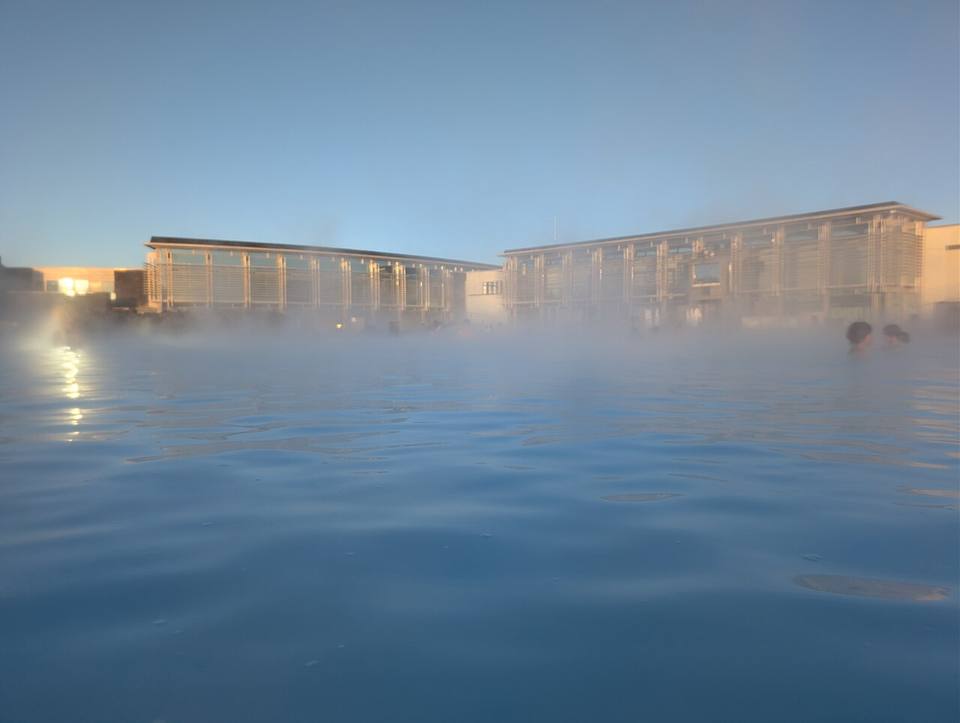
Nine million litres of milky-blue seawater pooled from the Svartsengi geothermal field on a black lava plain, steam rising all around — one of the world's best-known geothermal baths, holding 37–40 °C all year round.

Explore the local guide ↗

Source leads: The Blue Lagoon (official) https://www.bluelagoon.com/accommodation/silica/inroom/bluelagoon (water volume / temperature / area data); Visit Iceland https://www.visiticeland.com/things-to-do/the-blue-lagoon/

Image source · G. Edward Johnson · CC BY 4.0

Bryggen, Bergen

The Nordics · Historic wharf / World Heritage

Bryggen, Bergen

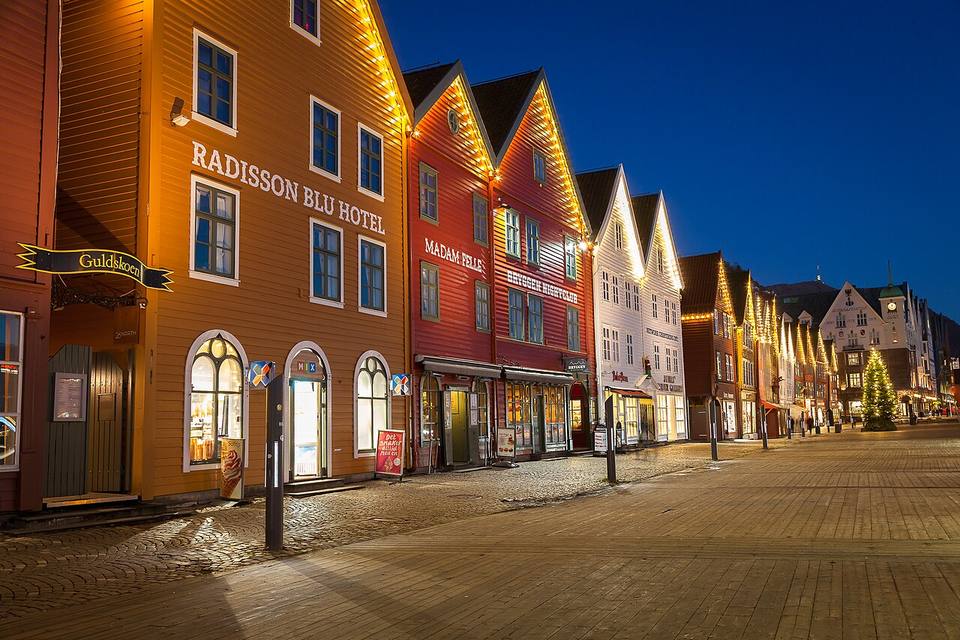
The Hanseatic League's row of painted timber houses lines the harbour, and the stockfish trade was carried on here for four hundred years — a living fossil of North Sea trade, listed as World Heritage in 1979.

Explore the local guide ↗

Source leads: Bergen city tourism / the Bryggen Foundation; UNESCO, Bryggen (1979).

Image source · Smtunli · CC BY-SA 4.0

Tromsø

The Nordics · Aurora / Arctic city

Tromsø

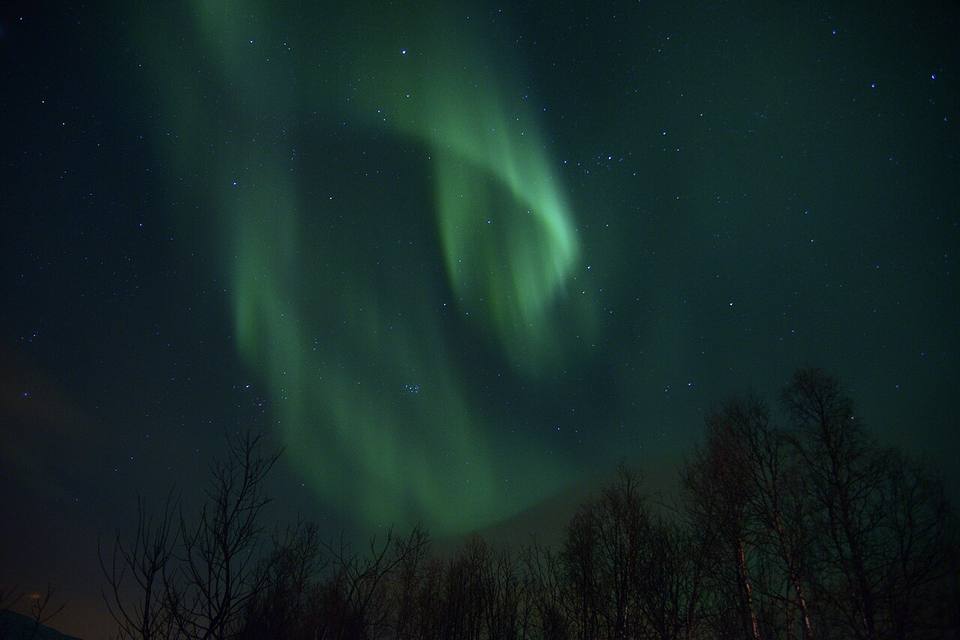
The "Gateway to the Arctic" at 69° north: the Arctic Cathedral's triangular glass wall faces the snowy mountains, and on winter nights the aurora bursts directly overhead, at the very centre of the auroral oval, with a probability that ranks among the highest of any city in Europe.

Explore the local guide ↗

Source leads: Tromsø city tourism (Visit Tromsø, official); the Arctic Cathedral (official).

Image source · Ddgfoto · CC BY-SA 4.0

Stockholm Old Town

The Nordics · Historic capital / old-town island

Stockholm Old Town

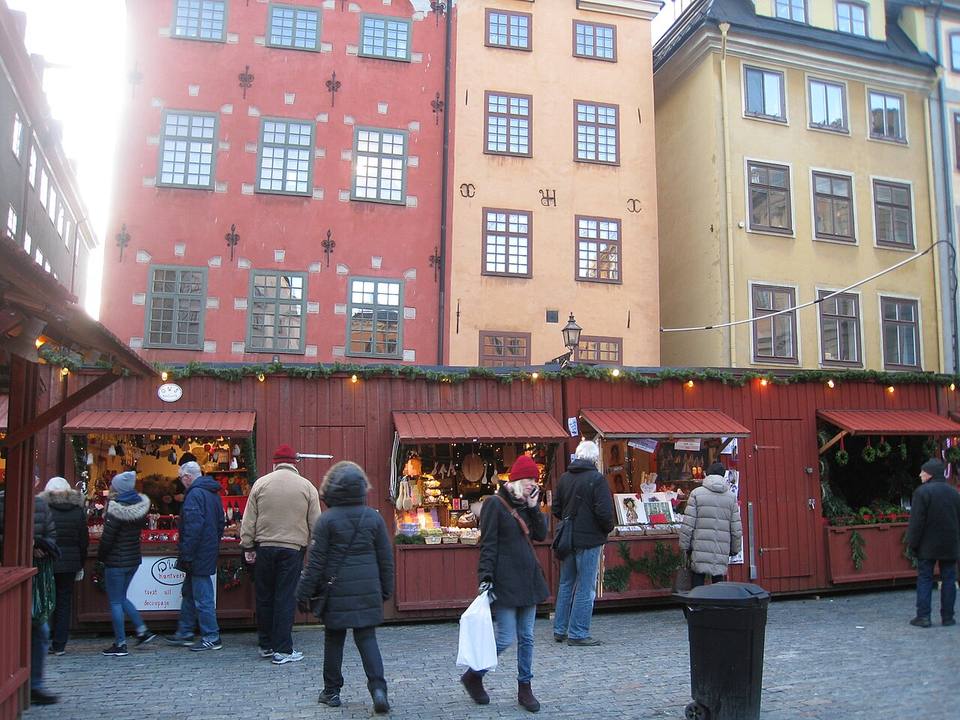
Beneath the coloured gables of Stortorget lies the wound of the "Stockholm Bloodbath" of 1520, while the Royal Palace and the Nobel Museum ring lanes laid out in the 13th century — one of the most complete old towns in Northern Europe.

Explore the local guide ↗

Source leads: Stockholm city tourism (Visit Stockholm, official); the Royal Palace / Nobel Museum (official).

Image source · Bysmon · CC BY-SA 4.0

Suomenlinna (Helsinki)

The Nordics · Sea fortress / World Heritage

Suomenlinna (Helsinki)

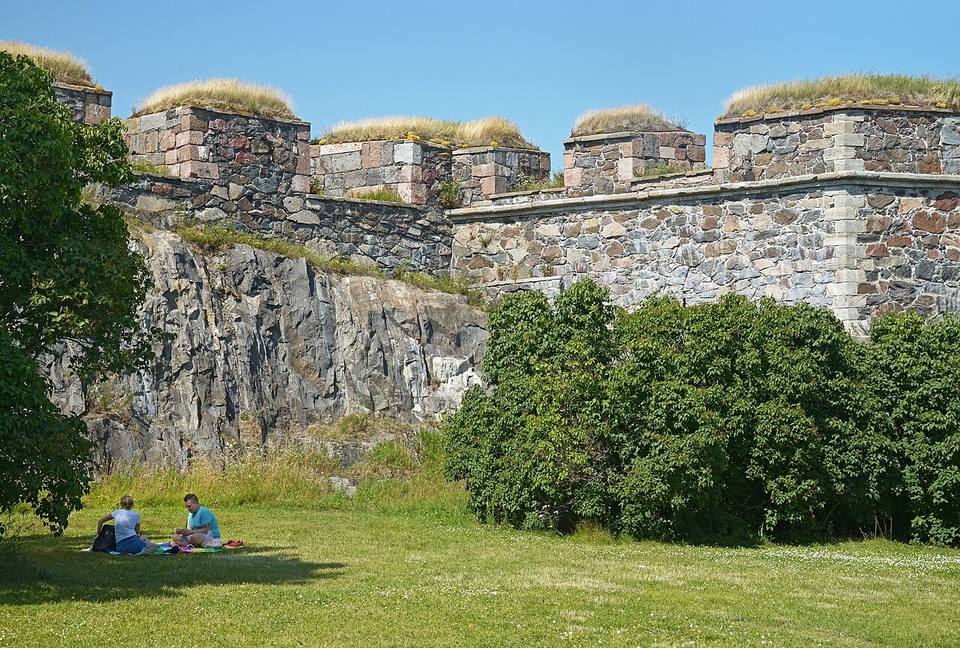
An 18th-century sea fortress built across six islands, with about 800 residents living and commuting to work inside a World Heritage site — Helsinki's summer lawns and winter snowfields alike lie beneath the fortress walls.

Explore the local guide ↗

Source leads: The Suomenlinna governing body (official); UNESCO, Suomenlinna (1991).

Image source · Ввласенко · CC BY-SA 3.0

Nyhavn, Copenhagen

The Nordics · Harbour district / city character

Nyhavn, Copenhagen

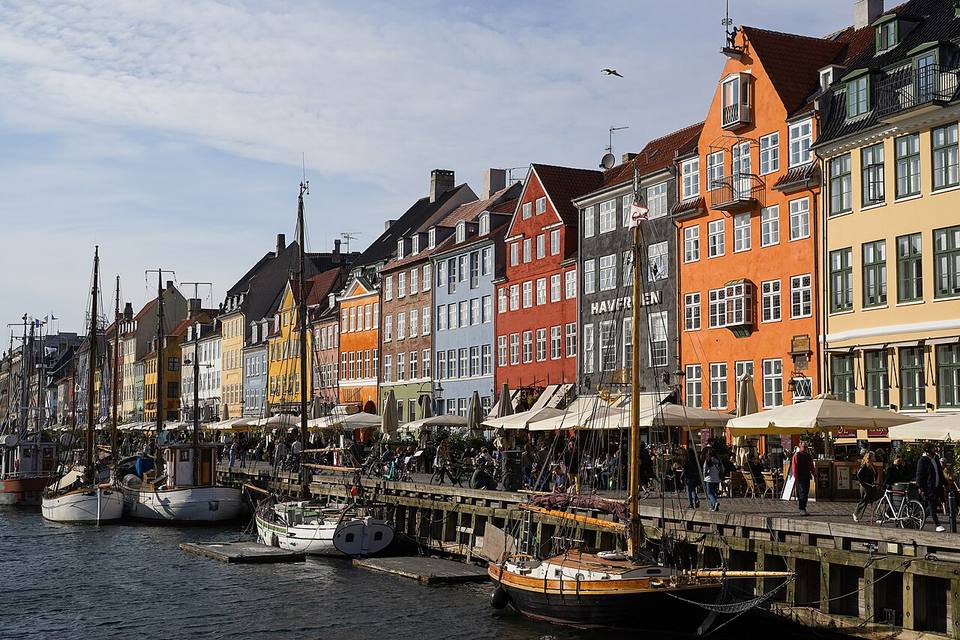
Rows of coloured gables along a hand-dug 17th-century canal; Hans Christian Andersen lived at Nos. 18, 20 and 67 — every beer at Nyhavn is drunk beneath the windows of the fairy-tale writer.

Explore the local guide ↗

Source leads: Copenhagen city tourism (Visit Copenhagen, official); historical materials on Nyhavn.

Image source · OleNeitzel · CC BY 4.0

Western Europe Supplement11
Edinburgh Castle

Western Europe Supplement · Castle / historic capital

Edinburgh Castle

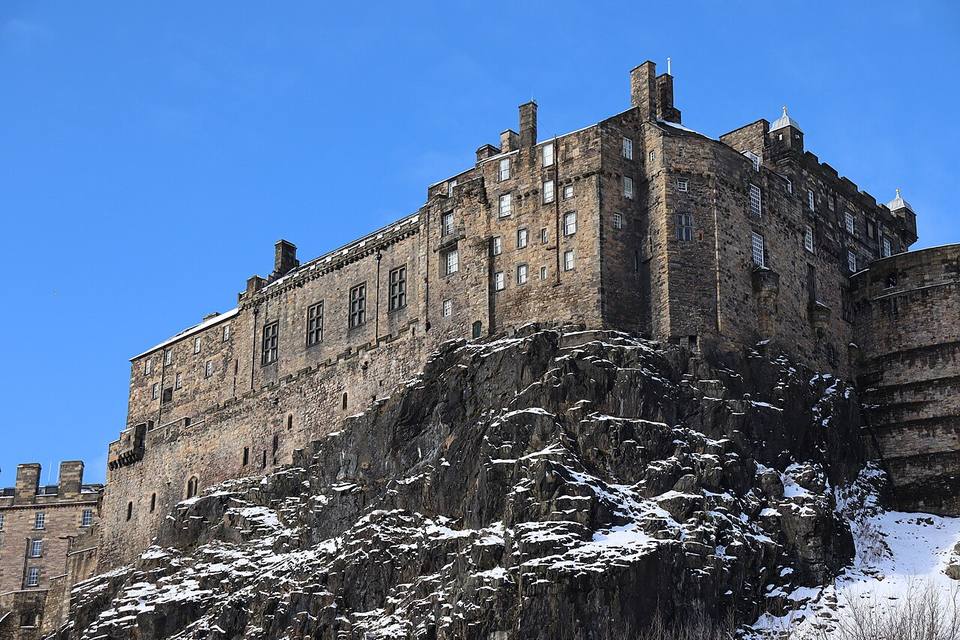
A thousand-year fortress on the plug of an extinct volcano, with the Crown and the Stone of Destiny inside it, and the Royal Mile sliding downhill from the castle gate all the way to the Palace of Holyroodhouse.

Explore the local guide ↗

Source leads: Edinburgh Castle (Historic Environment Scotland, official); UNESCO, Old and New Towns of Edinburgh (1995).

Image source · Mike Shaw · CC BY-SA 4.0

Mont-Saint-Michel

Western Europe Supplement · Tidal island / abbey

Mont-Saint-Michel

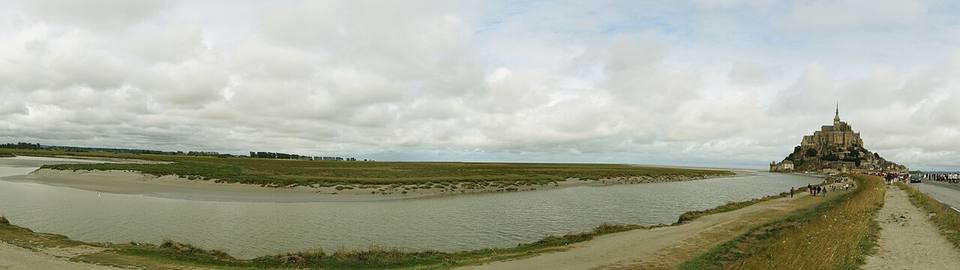
A Gothic abbey spears up into the sky from the top of a granite islet, and some of Europe's strongest tides (a tidal range of up to about 14 metres) turn it into an island and then back into mainland twice a day — known as the "Wonder of the West".

Explore the local guide ↗

Source leads: Mont-Saint-Michel Abbey (Centre des monuments nationaux, official); UNESCO, Mont-Saint-Michel (1979).

Image source · ines s. · CC BY 2.0

The Palace of Versailles

Western Europe Supplement · Palace / gardens

The Palace of Versailles

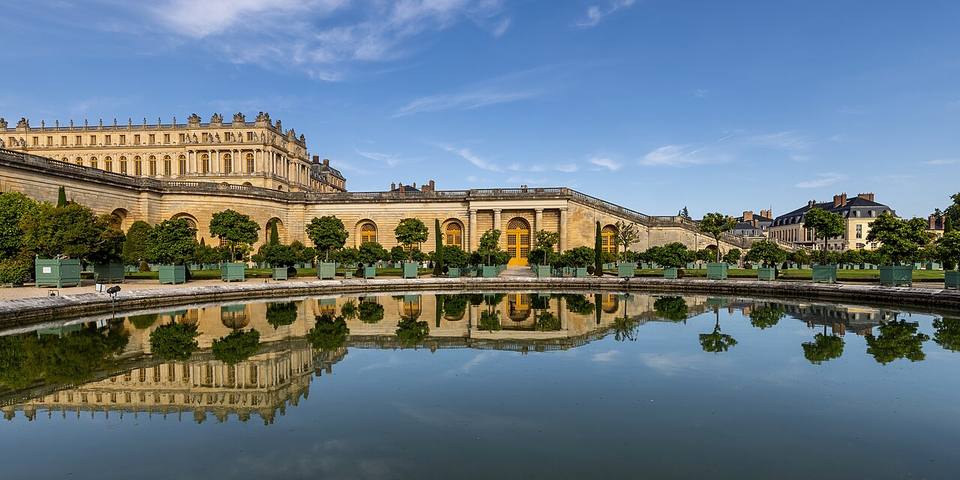
The 357 mirrors of the Hall of Mirrors face the gardens, and Louis XIV made a palace out of the entire power of France — the garden's axis runs down the Grand Canal all the way to the horizon.

Explore the local guide ↗

Source leads: The Palace of Versailles (official); UNESCO, Palace of Versailles (1979).

Image source · Basile Morin · CC BY-SA 4.0

The Lavender Fields of Valensole (Provence)

Western Europe Supplement · Flower fields / pastoral scenery

The Lavender Fields of Valensole (Provence)

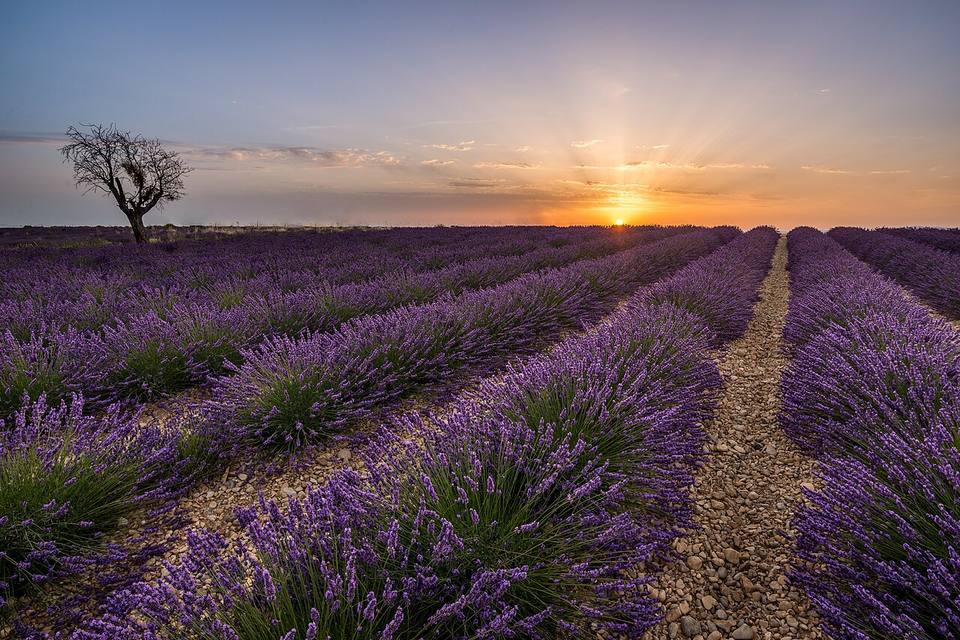
Lavender runs purple to the horizon across the plateau, patched together with sunflowers and wheat fields — Provence's summer takes Valensole as its cover, and the bloom usually runs from mid-to-late June to mid-July (following the flowering of the year).

Explore the local guide ↗

Source leads: Bloom information from the Upper Provence tourist office and the town of Valensole (official); the Provence regional tourist board.

Image source · Nuno Alves · CC BY-SA 4.0

Bruges

Western Europe Supplement · Historic city / canal city

Bruges

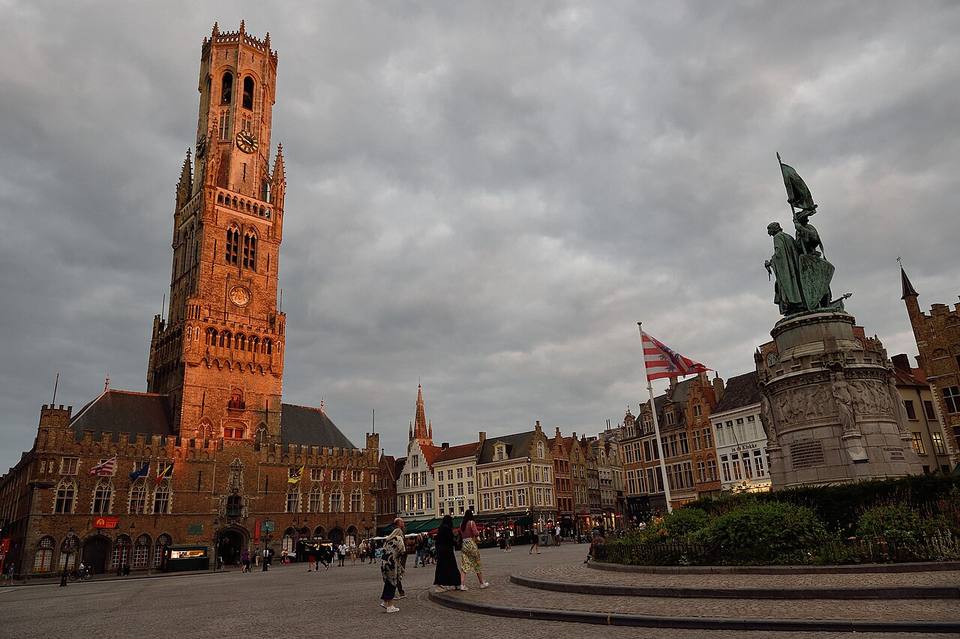
The "Venice of the North": the 83-metre Belfry presses down on the Market Square, and the gabled houses stand with swans along the canals — the wealth of medieval Burgundy, perfectly frozen in the 15th century.

Explore the local guide ↗

Source leads: Bruges city tourism (official); UNESCO, Historic Centre of Bruges (2000).

Image source · Tim Adams · CC BY 3.0

The Amsterdam Canal Belt

Western Europe Supplement · Canals / historic city

The Amsterdam Canal Belt

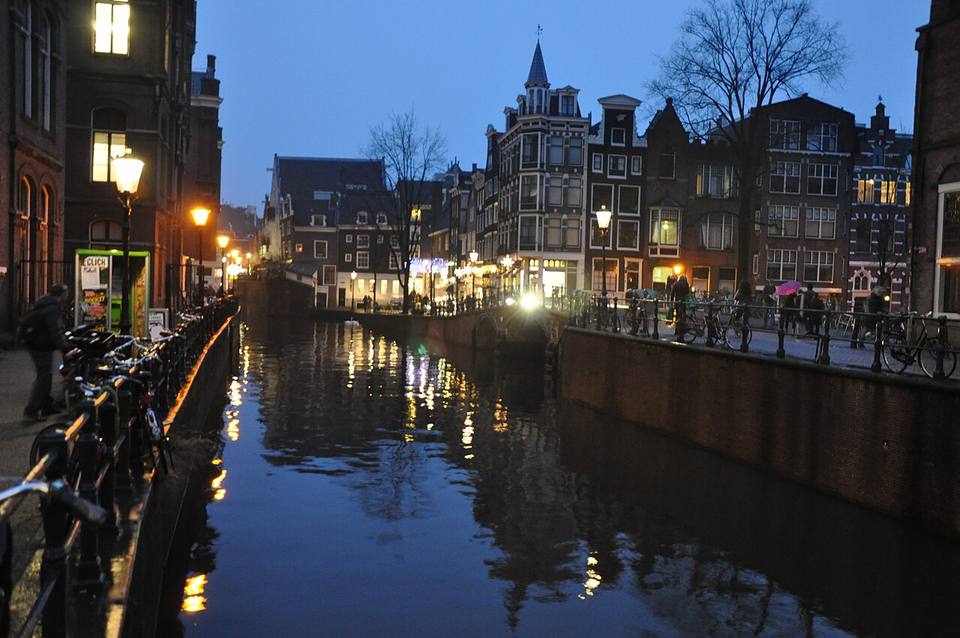
The concentric semicircular canal belt, dug from 1613, became World Heritage in 2010, its narrow gabled houses leaning slightly forward — the whole city is a 17th-century Golden Age masterpiece pinned onto the marsh with piles.

Explore the local guide ↗

Source leads: Amsterdam city tourism (Iamsterdam); UNESCO, the Canal Belt (2010).

Image source · Jorge Láscar from Australia · CC BY 2.0

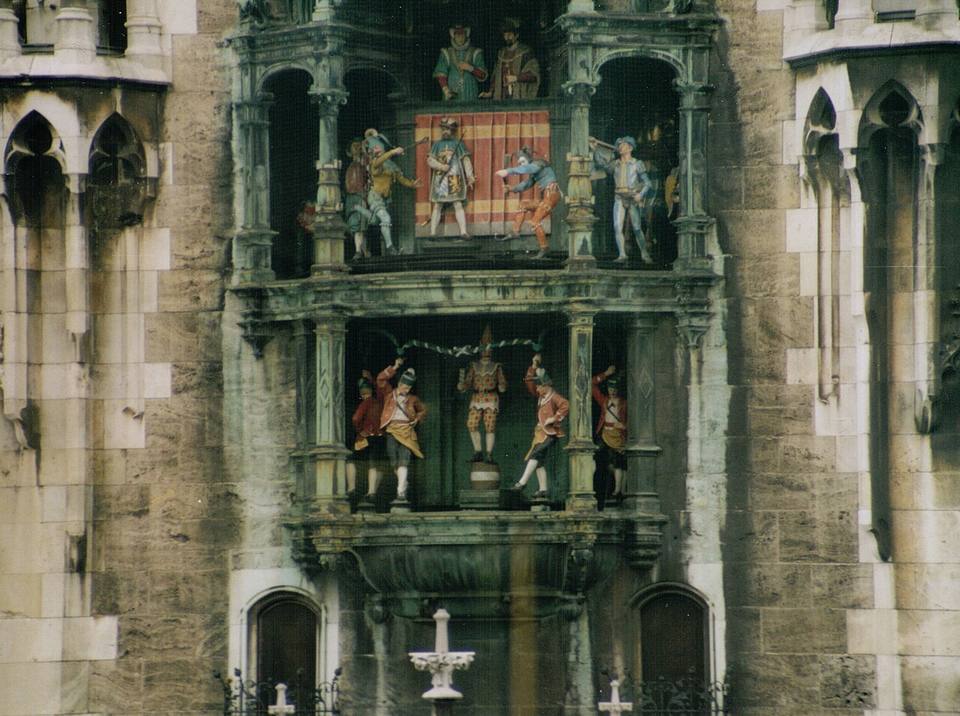
Marienplatz, Munich

Western Europe Supplement · Piazza / historic city

Marienplatz, Munich

Every day at 11 the New Town Hall's glockenspiel performs the knights' tournament and the coopers' dance, while the golden Marian column has stood at the square's centre for nearly four hundred years — Munich's heart beats to the rhythm of the beer festival.

Explore the local guide ↗

Source leads: Munich city tourism (München Tourismus, official); materials on the New Town Hall glockenspiel.

Image source · Wzwz · CC BY-SA 3.0

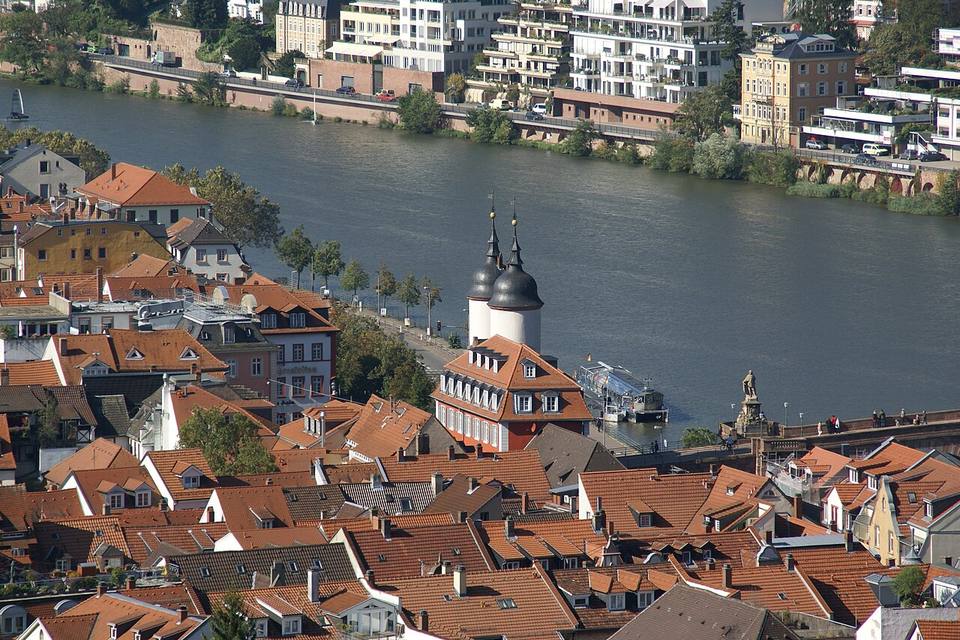
Heidelberg

Western Europe Supplement · Historic city / university city

Heidelberg

The Old Bridge over the Neckar, the red-sandstone castle ruin on the hillside, and Germany's oldest university (1386) — a romantic old town written about by both Mark Twain and Goethe.

Explore the local guide ↗

Source leads: Heidelberg city tourism (official); the castle's managing body (the State Palaces and Gardens of Baden-Württemberg).

Image source · Hermann Luyken · CC0

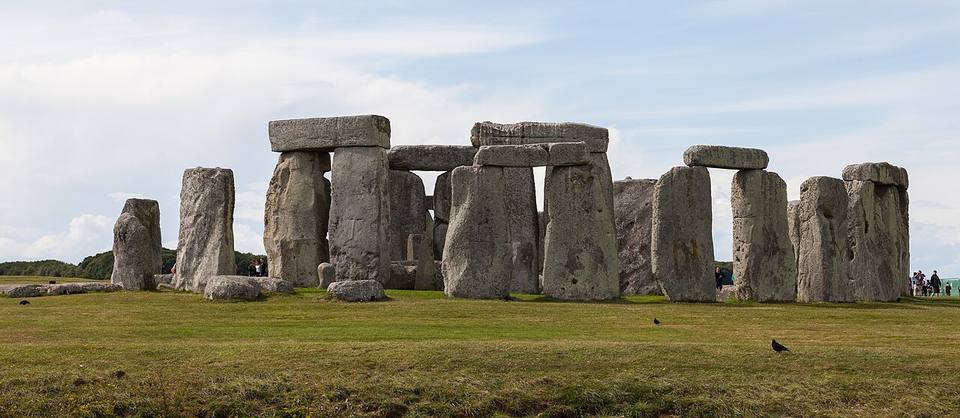
Stonehenge

Western Europe Supplement · Prehistoric site / World Heritage

Stonehenge

A great ring of stones raised in phases between about 3000 and 2000 BC, its bluestones brought from more than 200 kilometres away in Wales — its purpose is still unsettled, and the summer-solstice sunrise rising directly over the Heel Stone is the one secret it makes public.

Explore the local guide ↗

Source leads: English Heritage, Stonehenge (official); UNESCO, Stonehenge (1986).

Image source · Diego Delso · CC BY-SA 4.0

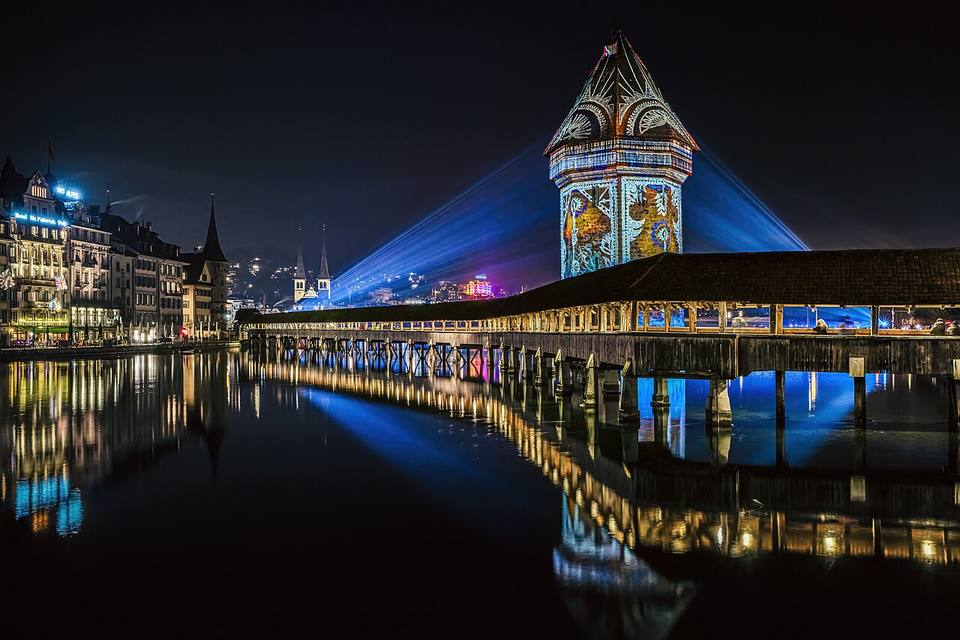
The Chapel Bridge, Lucerne

Western Europe Supplement · Old bridge / lake city

The Chapel Bridge, Lucerne

One of Europe's oldest covered timber bridges, built in 1333, with a hundred-odd triangular paintings ranged inside its roof and the octagonal Water Tower standing in the middle of the Reuss — after the fire of 1993, the people of Lucerne joined it back together exactly as it was.

Explore the local guide ↗

Source leads: Lucerne city tourism (official); materials on the Chapel Bridge and the Lucerne old town.

Image source · Roy Egloff · CC BY-SA 4.0

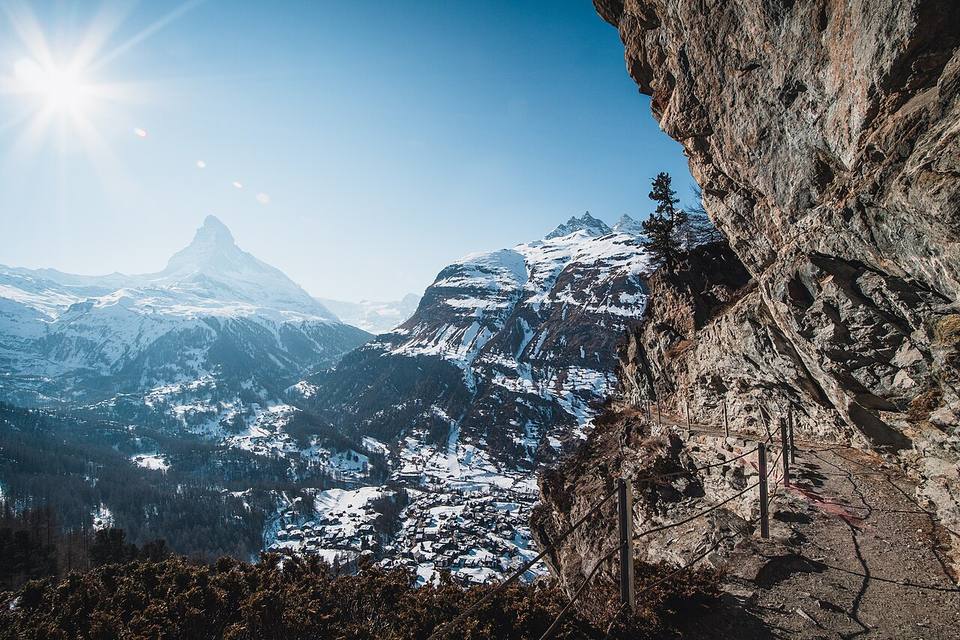
Zermatt and the Matterhorn

Western Europe Supplement · Alpine peak / resort town

Zermatt and the Matterhorn

The pyramidal peak rises alone against the sky at 4,478 metres, and the town at its foot bans petrol cars altogether — the terminus of the Gornergrat rack railway is a pilgrimage rite that humankind built for the sake of a single mountain.

Explore the local guide ↗

Source leads: Zermatt tourist office (official); the Gornergrat Railway (official); the Matterhorn Museum materials.

Image source · Deralpinbergsteiger · CC BY-SA 4.0

Local myths and legends

Local myths and legends14
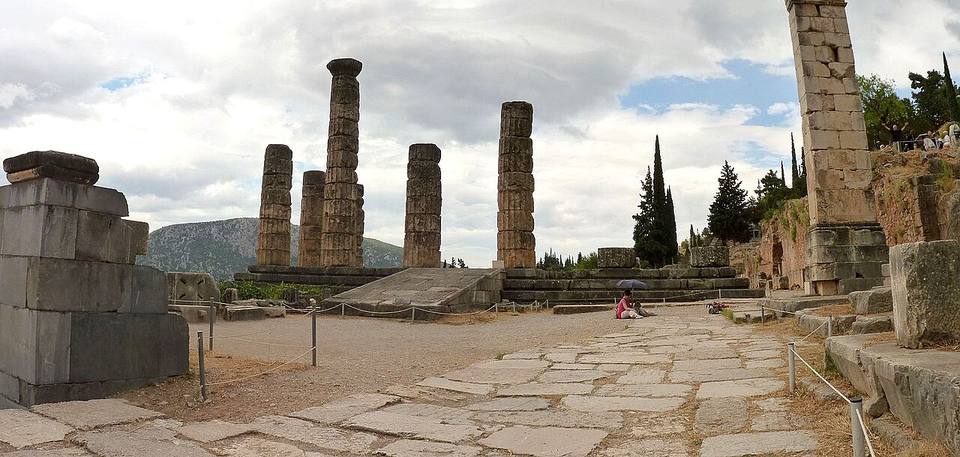
The Oracle of Delphi: Apollo and the Pythia

Greek Mythology · Oracle belief / sacred-site myth

The Oracle of Delphi: Apollo and the Pythia

Before going to war or founding a colony, every city-state in Greece first came to this mountainside to hear a priestess speak in riddles.

Read more
Stories and legends

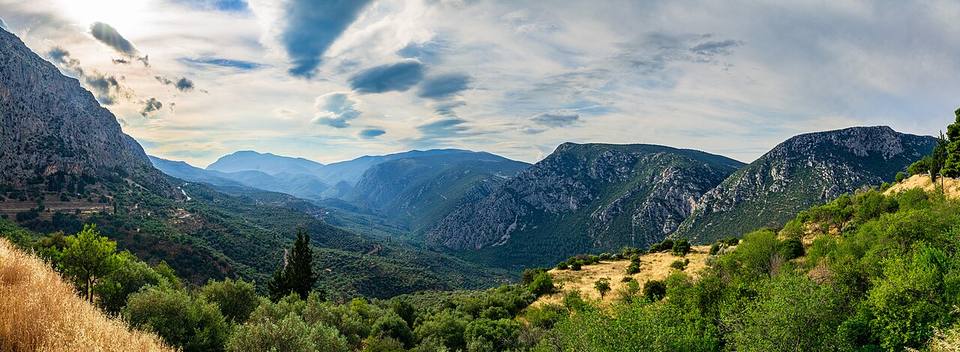
To fix the centre of the earth, Zeus released two divine eagles from the two ends of the world; the eagles met at Delphi, and the stone set at their landing point was the Omphalos — the navel of the world. The place was originally held by Python, the giant serpent child of the earth mother Gaia (in one version, a female dragon, Delphyne). The young Apollo came from Delos and shot the serpent dead with his divine arrows; the serpent's corpse rotted in the sunlight, and the place was named "Pytho" for it (taking the sense of "to rot"); Apollo then turned into a dolphin and seized a Cretan merchant ship, commanding its crew to be his priests. After atonement and purification he founded the oracle here. The priestess Pythia sat on a tripod in the inner chamber of the temple, over a fissure in the earth (so the ancients believed) and chewing laurel leaves, and uttered divine words in a state of frenzy, which the college of priests then polished into hexameter verses. The oracle was famous for its ambiguity: Croesus, king of Lydia, asked whether he should attack Persia, and the answer was, "Cross the river Halys and you will destroy a great empire" — the empire he destroyed was his own. The ending is written into its style: Delphi gives no answers, only a mirror that requires wisdom to read. After the Hellenistic age the oracle gradually declined, and at the end of the 4th century CE it ended with the prohibitions on paganism; the last transmitted oracle (by one account a later composition in its voice) sighs: the spring has run dry, the laurel is silent.

Origins of the story

The sanctuary arose in the 8th century BCE and its influence peaked in the 6th century BCE; the Homeric Hymn to the Pythian Apollo is an early text, and Herodotus and Plutarch (who served as a priest at Delphi) record much about it. The theory that the Pythia "inhaled hallucinogenic gases" was advanced in a geological study of 2001 (the ethylene hypothesis) and has since also been questioned; it is not settled, and the main text does not state it as fact. Delphi was inscribed on UNESCO's World Heritage List in 1987.

Customs

The site's steps are steep and slippery — do not climb or sit on exhibits such as the Omphalos or on the foundation stones of the temple; do not perform loud "oracle-seeking" theatrics inside the sanctuary; no flash photography in the museum's Charioteer gallery; mountain areas have frequent afternoon thunderstorms, and in summer guard against sun and dehydration.

Places you can visit

The Delphi archaeological site (the Sacred Way, the Temple of Apollo, the theatre, the stadium, the Tholos in the sanctuary of Athena Pronaia); the Delphi Archaeological Museum (the bronze Charioteer, the Omphalos stone replica, and the Sphinx of Naxos); extensions to Mount Parnassus and the Corycian Cave. The ancient Pythian Games were held every four years and have no modern revival; site festivals follow the museum's activities, as officially announced each year.

Source leads: 《荷马祷歌》 (Homeric Hymns), Herodotus, 《历史》 (Histories), Plutarch, 《论德尔斐神谕》 (On the Oracles at Delphi); UNESCO Delphi entry https://whc.unesco.org/en/list/393/

Image source · Ronny Siegel · CC BY 3.0

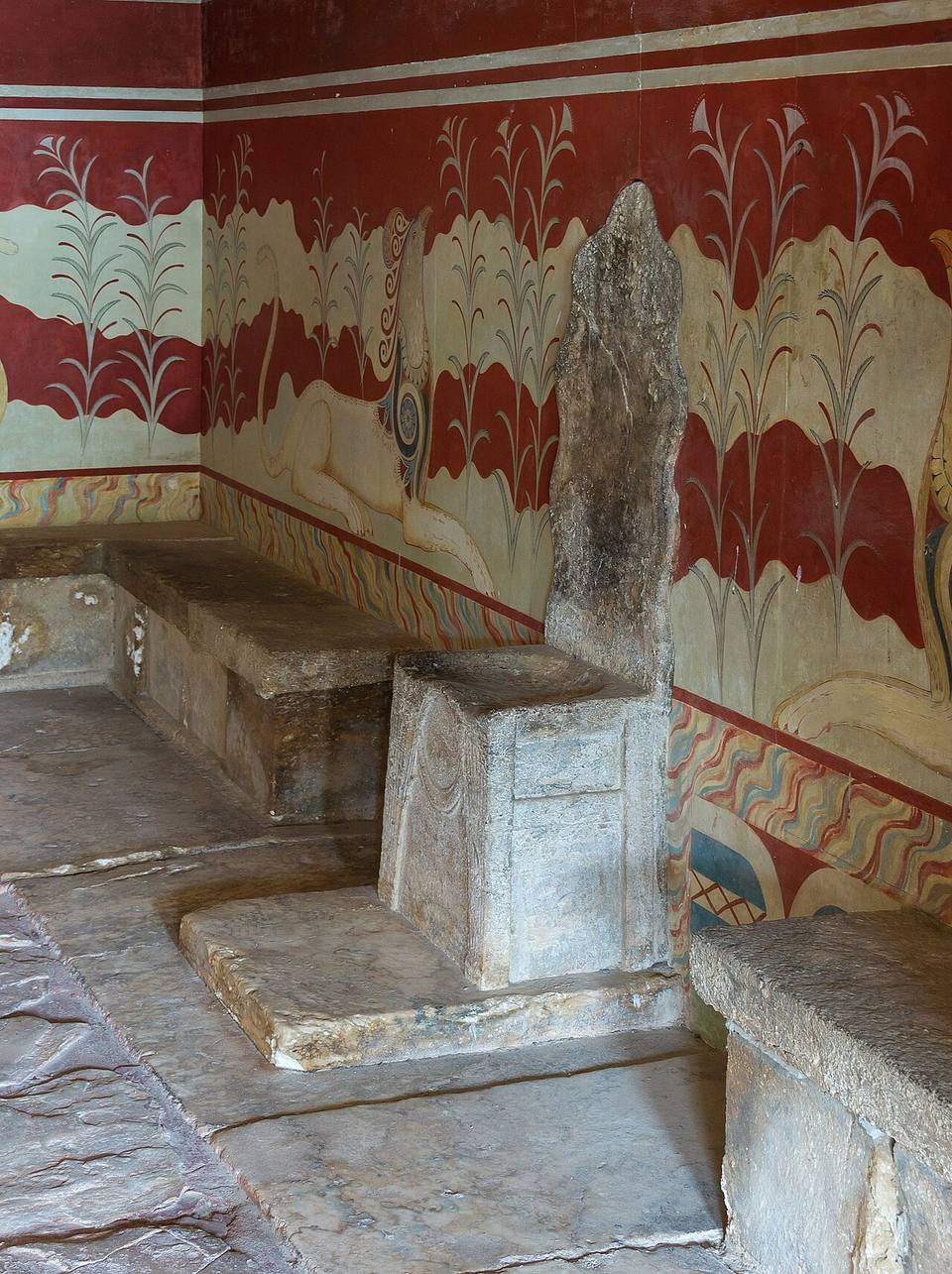
The Minotaur and the Labyrinth

Greek Mythology · Heroic epic / tale of a monster

The Minotaur and the Labyrinth

A bull-headed, man-bodied monster dwelt at the centre of a maze no one could escape; an Athenian prince walked out of it by a ball of thread and a princess's heart.

Read more
Stories and legends

Minos, king of Crete, begged the sea god Poseidon to grant him a white bull as proof of his kingship, but once the thing was done he could not bear to sacrifice it. Poseidon punished his wife Pasiphaë by making her fall in love with the white bull, and she bore the Minotaur, bull-headed and man-bodied. The monster ate human flesh, and Minos ordered the master craftsman Daedalus to build the Labyrinth to imprison it beneath the palace of Knossos. Minos's son was killed in Athens (in one version, he died in the games), and Minos made war; Athens was forced to send, every nine years (in one version, every year), seven youths and seven maidens as tribute to feed the monster. At the third tribute, the Athenian prince Theseus volunteered to be among them; Princess Ariadne fell in love at first sight and gave him a ball of thread and a sword: tie the thread at the door as you enter the palace, follow the thread to kill the monster, and follow the thread out. Theseus cut off the bull's head, led the others aboard ship by night, but on the way home abandoned Ariadne on the island of Naxos (the wine god Dionysus afterwards married her, by one account), and forgot his pact with his father Aegeus to "hoist white sails if he returned alive" — the ship came home under black sails, Aegeus, believing his beloved son dead, threw himself into the sea, and that sea has been called the Aegean ever since. A story about a monster ends, in its close, on the separate fates of three people.

Origins of the story

The story is found in late compilations such as Apollodorus's Library (书库) and Plutarch's Life of Theseus; Homer mentions only that Daedalus made a dancing floor for Ariadne. Archaeologically, the palace of Knossos was the centre of the Minoan civilisation (flourishing c. 2000–1450 BCE); Evans excavated it from 1900 and restored large areas in concrete, and the scale of his restoration remains academically controversial to this day; the "labyrinth" may be connected with the palace's complex plan and with the etymology of "labrys (the double axe)" — a scholarly hypothesis. The tribute system may be a mythicised memory of Athenian subjection to Cretan sea power (Thucydides already offered this rationalising reading).

Customs

When you cannot tell restored areas from original fabric at the site, do not improvise explanations — follow the official guided-tour account; do not cross the fences to touch the fresco reproduction surfaces; the Cretan sun in summer is extremely strong — enter early in the morning and bring water and sun protection; no flash photography of the Linear-script exhibits in the museum.

Places you can visit

The palace site of Knossos on Crete (the throne room, reproductions of the dolphin frescoes in the queen's apartments, the central court); the Heraklion Archaeological Museum (original frescoes, the bull-leaping fresco, the snake goddess figurines, the Phaistos Disc); the palace of Phaistos can serve as a comparison. The site holds no regular myth festival; special exhibitions are as officially announced each year.

Source leads: Apollodorus, 《书库》 (Library); Plutarch, 《忒修斯传》 (Life of Theseus); for the history of Knossos and Evans's excavations, see https://www.olympicholidays.com/destinations/greece/crete/attractions/knossos-palace/ and the museum's exhibition notes

Image source · Jebulon · CC0

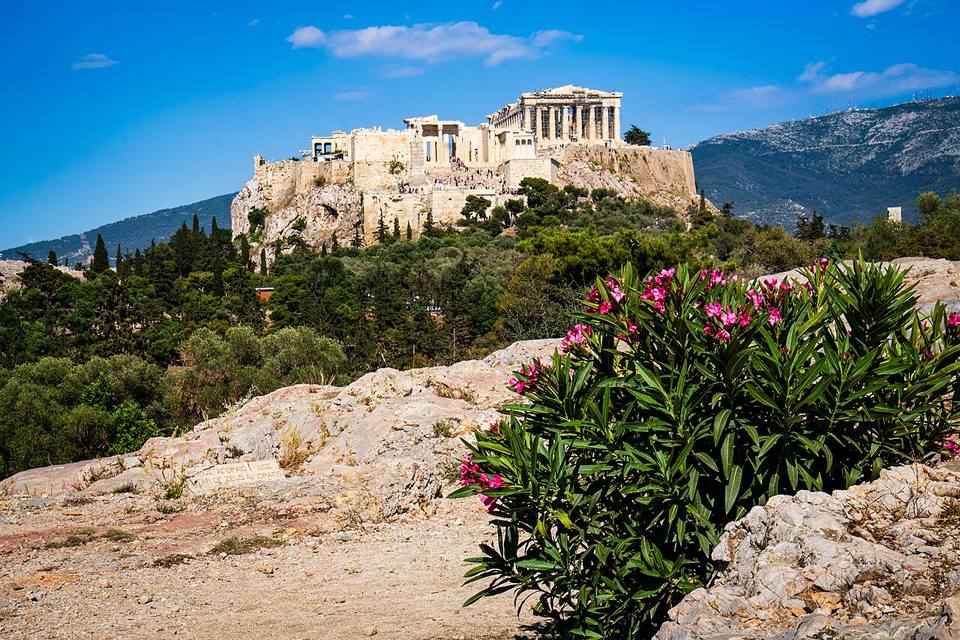
Athena's Athens: The Contest of the Olive and the Sea God

Greek Mythology · City-state guardian myth

Athena's Athens: The Contest of the Olive and the Sea God

The sea god struck out a salt spring; the goddess planted an olive tree — and the Athenians, reckoning by their livelihood, chose their guardian deity with one vote.

Explore the local guide ↗

Source leads: Apollodorus, 《书库》 (Library); Pausanias, 《希腊志》 (Description of Greece); Herodotus, 《历史》 (Histories), book 8; for an ordering of the contest and the Erechtheion's sacred traces, see https://satyori.com/mythology/the-contest-of-athena-and-poseidon/

Image source · Andrew Parlette · CC BY 4.0

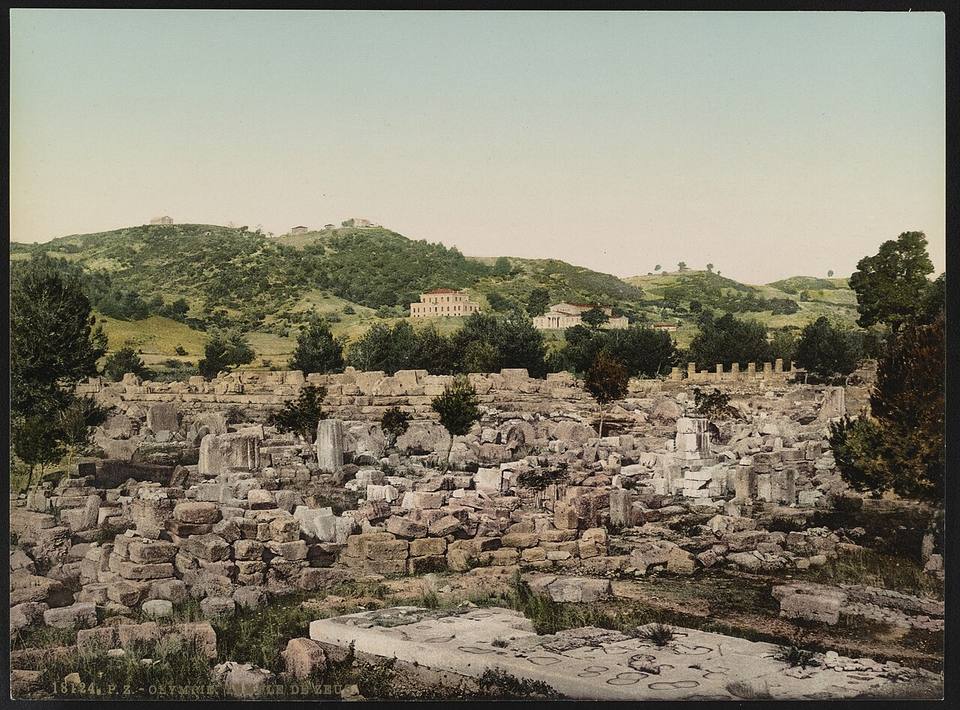
Olympia and Zeus: The Origins of the Ancient Olympic Games

Greek Mythology · Athletic-sanctuary myth / heroic epic

Olympia and Zeus: The Origins of the Ancient Olympic Games

The starting point of the Olympic Games is a chariot race rigged to win a bride, and a king condemned to death by an oracle.

Read more
Stories and legends

Several origin accounts coexist; this entry takes the most widely circulated, that of Pelops. Pelops, a prince of Phrygia exiled to the Peloponnese, sought to marry Hippodamia, daughter of Oenomaus, king of Elis. The king had received an oracle that he would die at the hands of his son-in-law, and so laid down a rule: a suitor must carry the bride away in his chariot and flee; whoever failed to escape would be beheaded and displayed — thirteen suitors (the number varies between accounts) had already become heads on the city wall. Pelops bribed (in one version, won over by love) the charioteer Myrtilus, who replaced the king's axle-pins with wax so they would loosen; in the race the wheels fell away, the king was thrown from the chariot and died, cursing the charioteer with his last breath; and Myrtilus was then pushed into the sea by Pelops (in one version, because Pelops broke his promise) — this chain of curses is precisely the source of the curse of kin-slaying on the house of Atreus afterwards. Another origin account credits Heracles: after cleaning the Augean stables (in one version, in celebration of it), he marked out the sacred precinct at Olympia and measured out the first "stade" racetrack. To commemorate this history, all Greece held a truce and competed every four years in the sanctuary of Zeus at Olympia, and the victor received only an olive crown — honour itself was the prize. The east pediment of the Temple of Zeus carved exactly the moment of confrontation before Pelops's race, with Zeus standing at the centre, already knowing the outcome.

Origins of the story

The ancient Olympic Games are traditionally dated from 776 BCE and ended in 393 CE (by one account, with Theodosius's prohibition of paganism); Pindar's Olympic Odes and books 5–6 of Pausanias's Description of Greece are the core documents. The Temple of Zeus was built c. 470–457 BCE; Phidias's gold-and-ivory statue of Zeus, erected in the temple around 435 BCE, ranked among the Seven Wonders of the Ancient World and is now lost, with only its workshop site, tools, and mould pieces surviving. Olympia was inscribed on UNESCO's World Heritage List in 1989; the Pelops and Heracles accounts of the origin myth have run in parallel since antiquity and need no reconciliation.

Customs

You may run on the stadium track for the experience, but do not climb on the altar areas or temple foundations; during the flame ceremony, obey the cordon lines; the pine woods of the site are a fire risk — flames and smoking are strictly forbidden; no flash photography or tripods in the museum's Hermes gallery.

Places you can visit

The Olympia archaeological site (the Temple of Zeus, the Temple of Hera, Phidias's workshop, the vaulted entrance and track of the ancient stadium, the oath platform); the Archaeological Museum of Olympia (the original pediment sculptures, the Hermes attributed to Praxiteles, the Nike statue); the Museum of the History of the Ancient Olympic Games. The modern Olympic flame-lighting ceremony is held before the Temple of Hera (in each Olympic year; dates as officially announced each year, including public explanations of the rehearsal lighting).

Source leads: Pindar, 《奥林匹克颂》 (Olympic Odes); Pausanias, 《希腊志》 (Description of Greece); for the dates of the Temple of Zeus and Phidias's statue, see the Greek Ministry of Culture's Olympia feature https://olympicgames.culture.gov.gr/en/periigisi.html

Image source · Photoglob Co., publisher · Public domain

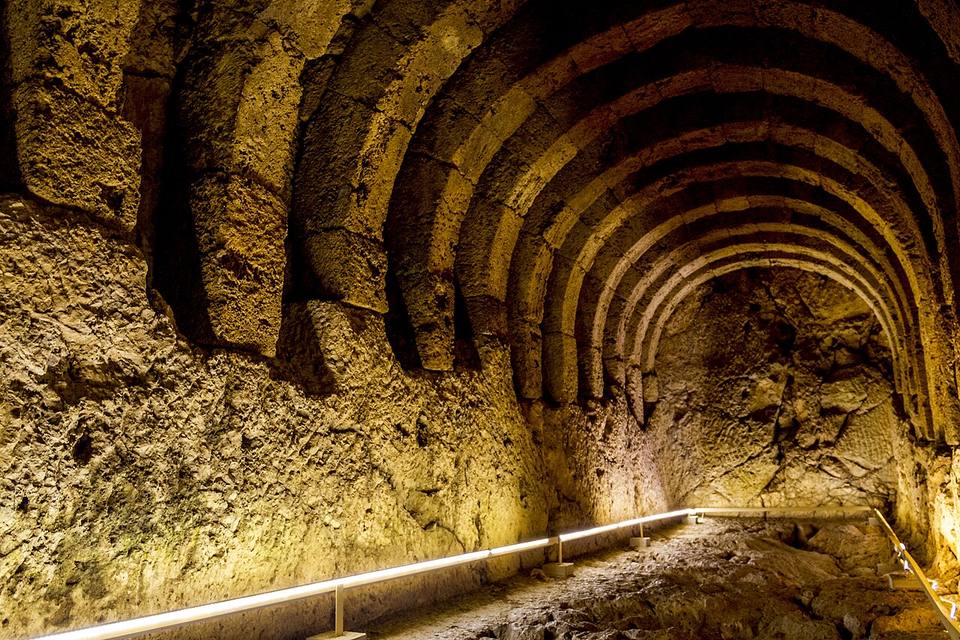
Orpheus and the Gates of the Underworld

Greek Mythology · Tale of the underworld / myth of music

Orpheus and the Gates of the Underworld

His lyre made the King of the Dead weep — yet in a single backward glance, he lost his wife a second time.

Read more
Stories and legends

The Thracian singer Orpheus was the son of Apollo (in one version, of Oeagrus) and the Muse Calliope; his lyre could make stubborn stones shed tears and wild beasts bow their heads. On his wedding day, his wife Eurydice was bitten by a viper in the grass and died (in one version, she stepped on the snake while fleeing the pursuit of Aristaeus). Orpheus descended alone into the underworld with his lyre: his song softened Cerberus, halted the wheel of Ixion, and made even the Furies shed tears; Hades and Persephone allowed him to lead his wife back, on the condition that before leaving the underworld he must never look back at her. Through the long darkness he could not hear the footsteps behind him (in one version, he suspected the gods were deceiving him), and just as they were about to leave the cave, with the first ray of sunlight in sight, he could not help looking back — Eurydice had time only to say one word of farewell before sinking a second time into death. Orpheus was refused a second crossing by the ferryman of the Styx, fasted and sang in grief for seven months, and was finally torn apart by the frenzied maenads of the wine god (in one version, because he rejected Dionysus / scorned women); his head floated down the river to the island of Lesbos, still singing. It must be stated honestly: the Nekromanteion of Acheron, bound to this entry on the ground, has as its most direct textual correspondence the summoning of the dead in the Odyssey (see History and Origins); Orpheus's journey to the underworld is located in the ancient tradition mostly in Thrace / Taenarum. The two belong together to the Greek geography of the underworld, of "the living questioning the dead," and are presented side by side without conflating their locations.

Origins of the story

The complete narrative of Orpheus's descent is found in book 4 of Virgil's Georgics and books 10–11 of Ovid's Metamorphoses; the classical Greek period has only fragmentary mentions, and the name Eurydice is also a later fixing. The Nekromanteion (the oracle of the dead at Ephyra) is recorded in book 5 of Herodotus's Histories, in the account of Periander sending men to question the ghost of his dead wife; the site was excavated from 1958. The excavator, Dakaris, identified it as an oracle of the dead, but later scholars have proposed the dissenting view that it was a Hellenistic fortified farmhouse (an academic controversy); the Greek Ministry of Culture still officially presents it as a necromanteion, and guides to visitors should mention both views.

Customs

The underground hall is dim and its steps steep — do not leave your group to probe "dark passages"; the Acheron spring water is extremely cold, so do not dive in head-first when playing in the water, and supervise children throughout; do not perform ritual "spirit-summoning" theatrics at the site — respect the archaeological scene; the riverside villages are quiet at night, so do not make noise.

Places you can visit

The Nekromanteion site on the Acheron river in Epirus (on the hill of the village of Mesopotamos, with polygonal walls, labyrinthine corridors, and an underground vaulted, tomb-like hall); the springs area of the Acheron at Glyki (cold-spring walking trails); the Archaeological Museum of Ioannina (related finds); the island of Lesbos (the legendary place of Orpheus's head, an extension). The site's open seasons are as officially announced each year.

Source leads: Virgil, 《农事诗》 (Georgics); Ovid, 《变形记》 (Metamorphoses); Herodotus, 《历史》 (Histories), book 5; for the site and its Homeric correspondence, see the Greek Ministry of Culture https://allofgreeceone.culture.gov.gr/en/venues/nekromanteion-of-acheron-preveza/

Image source · Dionysisa303 · CC BY-SA 4.0

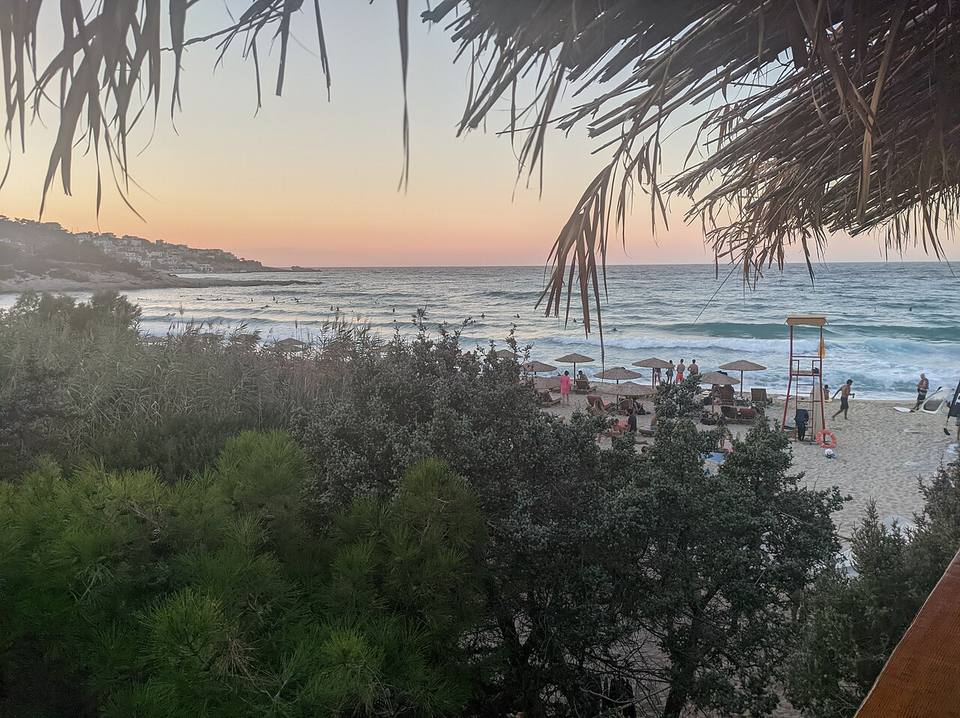
The Fall of Icarus

Greek Mythology · Artisan myth / cautionary tale

The Fall of Icarus

His father gave him wings and one instruction — fly not too high, and not too low — and the boy remembered only half of it.

Read more
Stories and legends

Daedalus was Athens' cleverest craftsman; exiled to Crete for murdering his nephew (in one version, his apprentice) out of jealousy, he built the Labyrinth for Minos and secretly gave Ariadne the ball of thread that led out of the palace. Minos, enraged, imprisoned Daedalus and his son Icarus in the Labyrinth (in one version, in a high tower). With the sea routes and land routes both sealed, Daedalus looked at the sky and said: earth and sea can be closed — the sky is still open. He gathered fallen feathers, arranged them by size in an arc, sewed them with thread and stuck them with wax, and made two pairs of wings. Before the test flight he instructed the boy through tears: take the middle course — too low, and the seawater will soak the feathers; too high, and the fierce sun will melt the wax. The boy, flying for the first time, was wild with joy: he skimmed past Samos, Delos, and Paros, flew higher and higher, and left his father far behind. The wax melted, the feathers fell away one by one, and he beat his bare arms in vain, calling his father's name, and fell into the sea; the waves closed over him. Daedalus looked back and could not see his son — only feathers drifting on the surface. He buried his son on a small island, and the island and the sea took Icarus's name from then on. The old craftsman flew on to Sicily and ended his days at the court of King Cocalus of Camicus — and another account says Minos pursued him to Sicily and was instead scalded to death by Daedalus's design in a bathhouse. The story of the wings is told, and the lesson it leaves is self-contradictory and uncommonly true: the danger lies both in hubris and in that instruction most easily drowned out by excitement.

Origins of the story

The complete narrative is found in book 8 of Ovid's Metamorphoses and in Apollodorus's Epitome; Homer's Iliad mentions only that Daedalus made a dancing floor for Ariadne, and the father-and-son flight is a later formation. As for the naming of the island of Ikaria, its official history page explicitly lists several accounts: the Icarus theory circulates most widely, and there are other theories such as a Phoenician etymology; this entry follows the plurality of accounts and labels them. In the Chrysostomos area of the island there are a monument to Icarus and a modern commemorative installation with a small summer theatre (a local culture-and-tourism facility).

Customs

At Ikarian village festivals (panigyri), dancing and drinking go on all night; visitors may join the circle and dance, but do not seize the lead-dancer's place and do not cause drunken trouble; the coasts are windy and wavy — when taking commemorative photos, do not climb on wet, slippery rocks: Icarus's lesson begins with safety; the island's mountain roads bend sharply, so drive with extra care at night.

Places you can visit

The island of Ikaria (Agios Kirykos, the rocky shores and the locally identified points of the "Rock of Icarus," the area of the Chrysostomos monument); Knossos on Crete (the story's starting point, to be read together with entry 18); the island of Samos (a node on the flight route). Village festivals (panigyria) on the island are frequent in summer; dates are as officially announced each year.

Source leads: Ovid, 《变形记》 (Metamorphoses), book 8; Apollodorus, 《书库·摘要》 (Library · Epitome); for the various accounts of the island's name, see Ikaria's official tourism history page https://www.visitikaria.gr/en/ikaria/history

Image source · Leeturtle · CC BY-SA 4.0

Odysseus's Ithaca

Greek Mythology · Heroic epic

Odysseus's Ithaca

The hero who wandered ten years, fighting gods and sea, faced his final test in his own home: to recognise himself — and be "verified" by his wife by means of a bed.

Read more
Stories and legends

After the fall of Troy, Odysseus could not get home for ten years: in the Cyclops's cave he called himself "No One" and blinded Polyphemus, and was therefore held in grudge by Poseidon; on Circe's island his men were turned into pigs; at the Sirens he had his ears stopped with wax and himself bound to the mast; between Scylla and Charybdis he chose the lesser loss; his crew slaughtered and ate the cattle of the Sun god, the whole ship was wrecked, and he alone drifted to Calypso's island and was kept there seven years. After the gods resolved to let him go, the Phaeacians carried him, sleeping, back to a bay of Ithaca, and Athena turned him into an old beggar to test men's hearts: his old dog Argos recognised his master, wagged his tail, and died; his old nurse recognised him by the boar scar on his leg. In the palace, more than a hundred suitors were pressing Queen Penelope to remarry and consuming the family's wealth. Penelope set the contest: whoever could string Odysseus's great bow and shoot through twelve axe-heads would be her new husband. The "beggar" succeeded with a single arrow, then, with Telemachus, barred the doors and cleared out the suitors. The final verification belonged to his wife: she purposely said, "Have the marriage bed moved out," and he blurted out in anger that the bed was one he had made himself with a living olive tree as its post, and no one could move it — a secret belonging only to the two of them. Penelope threw herself into his arms: the epic of wandering ends on a bed that cannot be moved.

Origins of the story

Books 13–24 of the Odyssey (composed around the 8th century BCE) are the second half, the homecoming. The correspondence between Homer's Ithaca and today's island of Ithaca is the mainstream view but not a settled conclusion; scholarship also offers Kefalonia / Lefkada theories (Dörpfeld and others), and travel presentation should label it a "traditional identification." The Mycenaean remains excavated around Stavros on the island and the local claims of a "Palace of Odysseus" are a hypothesis under archaeological investigation and must not be written as a confirmed royal palace; the Cave of the Nymphs (Marmarospilia) is locally identified with the cave described in book 13 of the Odyssey, and its internal opening status varies from year to year.

Customs

If the cave is closed, do not climb over the fence; the Stavros museum is a small museum — do not touch the open-air stone structures; Ithaca's mountain roads have many hairpin bends, so rental-car drivers must avoid fatigue; when swimming in the bays, mind the ferry lanes and do not dive in the harbour area.

Places you can visit

The port of Vathy on the island of Ithaca and its archaeological museum; the statue of Odysseus in the village of Stavros and the Stavros Archaeological Museum (Mycenaean and Corinthian-period artefacts); the Cave of the Nymphs (Marmarospilia; opening as announced on site — entry is not guaranteed); Dexa Bay and the harbour of Phorcys (identified in one account as the landing place); the Melissani Cave on Kefalonia (a geological site sharing the "cave of the nymphs" imagery — the two places must not be conflated). Island festivals and ferry timetables are as officially announced each year.

Source leads: Homer, 《奥德赛》 (Odyssey); the Kefalonia–Ithaca UNESCO Global Geopark page (including the Cave of the Nymphs legend and the narrative of Odysseus's homeland) https://www.unesco.org/en/iggp/kefalonia-ithaca-unesco-global-geopark

Image source · Daniel Eriksson · CC BY 4.0

Odin and Valhalla

Norse Mythology · Creation myth / chief-god belief

Odin and Valhalla

He traded one eye for wisdom, and drills the dead heroes day after day — all to gain one more chance in a final battle he is fated to lose.

Read more
Stories and legends

Odin is the son of Borr and a descendant of the primordial Búri; with his brothers Vili and Vé he slew the frost giant Ymir and made heaven and earth from his corpse: the skull became the sky, the blood the sea, the bones the mountains, and the brain the clouds. He offered one eye at the Well of Mímir in exchange for a drink of the wisdom that sees all things clearly; and he hung himself on the World Tree for nine nights, without food offered by anyone, pierced by a spear, in exchange for the runes. His two ravens, Huginn (thought) and Muninn (memory), fly over the world every day and return to report at his ear. Odin has another identity: father of war and of the dead. He sends the valkyries to choose the bravest of the fallen on the battlefield — half go to the goddess Freyja's Fólkvangr, and half enter the hall of the slain, Valhalla: the hall has five hundred and forty doors, its roof is covered with golden shields, and its beams and pillars are all spear-shafts. The einherjar hack each other to death on the plain by day; at dusk their wounds heal of themselves and they are all restored to life, sitting together to drink deep of goat's milk and mead (one account says they are fed by the milk of the ever-living goat Heiðrún and the flesh of the boar Sæhrímnir, the boar being reborn each night). All this enjoyment is military training: on the day the wolf Fenrir breaks his chain, the einherjar will march out of the hall with Odin to the decisive battle — and prophecy has long since written that Odin will be swallowed by Fenrir. To prepare for war in full knowledge of the outcome is the coldest undertone of the Odin myths.

Origins of the story

The core texts are the Poetic Edda · Völuspá (女先知预言), the Prose Edda · Gylfaginning, and the saga tradition of the Heimskringla; the details of Valhalla come mainly from the Grímnismál (格里姆尼尔之歌). Gamla Uppsala was the centre of royal power and sacrifice in ancient Sweden; Adam of Bremen's 11th-century History of the Archbishops of Hamburg records that the temple of Uppsala housed statues of Odin, Thor, and Frey — but this record is of the nature of second-hand report, and scholars debate its reliability, so it must be labelled when cited. Þingvellir has no direct sacrificial connection with Odin; its point of binding is the assembly tradition of the Viking commonwealth and the historical stage on which the sagas happened, and this entry positions it truthfully as a "cultural-context site," not an Odin sanctuary.

Customs

The mound bodies at Gamla Uppsala are protected cultural relics — climbing to the top of the mounds is forbidden; the vegetation at Þingvellir is fragile — walk only on the trails and do not throw "wish coins" into the rift-valley waters (the rules of Almannagjá); if you encounter a gathering at a modern Ásatrú ritual site, ask consent before watching, and do not mimic sacrificial gestures in jest.

Places you can visit

Gamla Uppsala in Sweden (the group of great royal mounds, the Gamla Uppsala Museum, interpretation at the church site); Þingvellir National Park in Iceland (the Alþing assembly site from 930, the Law Rock, the rift-valley landforms, a UNESCO site); saga place-name points in the Norwegian fjord region (such as modern experience facilities like the Viking village at Gudvangen — contemporary culture-and-tourism facilities, not antiquities); the National Museum of Denmark (permanent rune and Viking exhibitions). Activities at each museum are as officially announced each year.

Source leads: 《诗体埃达·女先知预言/格里姆尼尔之歌》 (Poetic Edda · Völuspá / Grímnismál), 《散文埃达》 (Prose Edda), Adam of Bremen, 《汉堡大主教行传》 (History of the Archbishops of Hamburg; a reportorial record); for Þingvellir's Alþing 930–1798 and its UNESCO 2004 inscription, see https://en.wikipedia.org/wiki/%C3%9Eingvellir (the entry includes official links)

Image source · G. Edward Johnson · CC BY 4.0

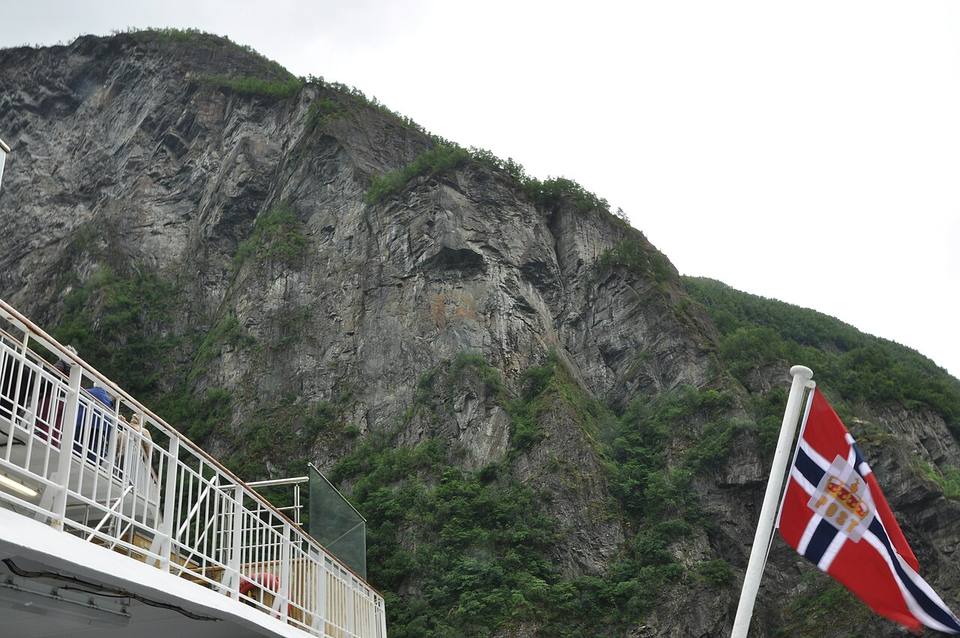
Thor and the Giants

Norse Mythology · Heroic myth / tales of giants

Thor and the Giants

The most down-to-earth of all the gods: driving a goat-drawn chariot and swinging a short-handled hammer, he fought giants all his life among the mountain shapes of the fjords.

Read more
Stories and legends

Thor is the son of Odin and Jörð, the earth goddess — red-bearded and mighty, wearing a belt of strength and wielding the hammer Mjölnir, whose handle came out a hand's breadth short because of Loki's meddling, yet which remained the weapon the giants feared at the mere rumour of it. His two goats, Tanngrisnir and Tanngnjóstr, draw his chariot; when he is hungry they can be slaughtered and eaten, and the next day he revives them with his hammer (only the bones must not be broken). His duels with the giants are mostly perilous and comic at once: in the camp of the giant Skrýmir, Thor swung his hammer all night and Skrýmir took it only for acorns falling on his head; at a banquet he was set to "lift a cat" and raised only one paw (the cat was in fact Jörmungandr, the great serpent that encircles the world), and he lost a wrestling bout with an old woman (the old woman was "Age" itself). His most hair-raising exploit is the fishing for the serpent: with an ox's head for bait, Thor hooked Jörmungandr from the boat of the giant Hymir, and the giant, terrified, cut the line — that account is left to be settled at Ragnarök: Thor will kill the great serpent, be wounded by its venom, and die after retreating nine steps. Norwegians call the steep, human-shaped mountain forms on both banks of the fjords "trolls (troll)"; Icelanders have named a whole highland valley "Thor's land," Þórsmörk — here mythology is not enshrined on an altar but used to name the map.

Origins of the story

Thor's stories are scattered through the Poetic Edda (诗体埃达) — Þrymskviða (斯律姆之歌) and Alvíssmál (阿尔维斯之歌) — and the Prose Edda (散文埃达) · Gylfaginning (欺骗基尔菲) (the Skrýmir and serpent-fishing episodes); Thor was the god with the highest level of folk belief in the Viking Age, and the Icelandic settlers mostly worshipped Thor — the toponymic evidence (the Þórs- prefix) is spread across Iceland and Norway, standing in contrast to Odin's more royal/poetic character, a standard observation in the study of religion. Fjord place-names of the "troll" type (such as Trolltunga, the Troll's Tongue, and Trollstigen, the Troll's Ladder) are mostly folk etymologies and later namings, and must be presented in the register of folk legend.

Customs

Trolltunga is a high-risk hike — do not climb in winter without a guide, and do not perform dangerous poses for photographs on the tip of the tongue (there have been fatal falls over the years); on highland river crossings, ride only in professional vehicles; do not stack stones at waterfalls and fjords for "check-in photos" (it damages the landforms and is an act expressly opposed locally); treat present-day believers in Thor (Ásatrú) with the same respect as any other religion.

Places you can visit

Trolltunga (the Troll's Tongue) in the Norwegian fjord region (a seasonal hike requiring a guide and equipment); the Geirangerfjord and its "troll" mountain-form explanation points; the Þórsmörk highlands in Iceland (accessible only by river-crossing vehicles/buses); the Goðafoss waterfall (the narrative point where the god-images were thrown into the falls at the Conversion, intertextual with the end of the Thor faith); the Viking galleries of the National Museum of Iceland in Reykjavík. Hiking seasons and opening times are as officially announced each year.

Source leads: 《诗体埃达·Þrymskviða》 (Poetic Edda · Þrymskviða), 《散文埃达·欺骗基尔菲》 (Prose Edda · Gylfaginning); for the Goðafoss Conversion narrative and Þingvellir guidance, see https://guidetoiceland.is/no/historie-og-kultur/vikings-and-norse-gods-in-iceland (a commercial guide source; for the facts, the Book of Icelanders prevails)

Image source · Herbert wie · CC BY-SA 4.0

Ragnarök — The Twilight of the Gods

Norse Mythology · Eschatological myth

Ragnarök — The Twilight of the Gods

The ending of Norse mythology is not victory, but rebirth after mutual destruction — the earth sinks into the sea, and rises from the sea again.

Read more
Stories and legends

The omens had long been lined up in sequence: the death of Baldr, the collapse of kinship morality, and Fimbulvetr, the mighty winter of three winters in a row with no summer between. The hound Garm bays before the underworld, and three roosters crow in the land of the giants, in Asgard, and in Hel. Fenrir breaks the gods' chain, Heimdall blows the Gjallarhorn, and the einherjar march out of the hall in ranks. The battlefield is the plain of Vígríðr: Odin faces Fenrir and is swallowed by the great wolf; his son Víðarr sets his foot in the wolf's jaw and tears its mouth apart in vengeance; Thor kills Jörmungandr, then retreats nine steps and dies of the venom; Frey, who long ago gave his self-seeking sword to his servant Skírnir, meets the fire giant Surtr weaponless and falls; Loki and Heimdall destroy each other; Týr and the hellhound Garm go down together. Then Surtr hurls fire across the world, the World Tree burns, the sun turns black, the earth sinks into the sea, and the stars fall. Yet the Seeress's Prophecy does not stop its pen at the destruction: the seeress sees the earth rise again from the sea, green as before, waterfalls plunging and eagles striking the sky; Baldr and Höðr return from the underworld, the surviving gods gather again on the plain of Iða and talk of old times; and a pair of humans, Líf and Lífþrasir, hidden in Hoddmímir's wood and feeding on the morning dew, walk out of the forest and become the ancestors of humankind anew. Doomsday is not the end — it is clearing and sowing.

Origins of the story

The Poetic Edda · Völuspá (女先知预言) forms the skeleton, and the Prose Edda · Gylfaginning from chapter 51 onward gives the systematised retelling; the two differ in details (such as the list of survivors). The hypothesis that "the mythology derives from firsthand experience of Icelandic volcanoes," advanced by Hilda Ellis Davidson and others (the correspondence between the 1783 Laki eruption and the poem's "the sun turns black, the earth sinks, the flames reach high to heaven"), is an influential academic hypothesis, not a settled conclusion. The island of Surtsey rose from a submarine eruption in 1963 and was named after the fire giant Surtr — modern toponymy's return salute to mythology; the island is a strict scientific reserve, closed to the public, who can only view it from afar or through exhibitions.

Customs

The rip currents and sneaker waves at the black beach are lethal, and visitors have been swept away over the years — you must stay behind the warning signs and never turn your back on the sea; landing on Surtsey, and disturbing birds with drones, are strictly forbidden; on volcano hikes, walk only on the open trails and never enter areas where the lava has not fully cooled; do not take sand and stones from the black beach as souvenirs (reserve regulations).

Places you can visit

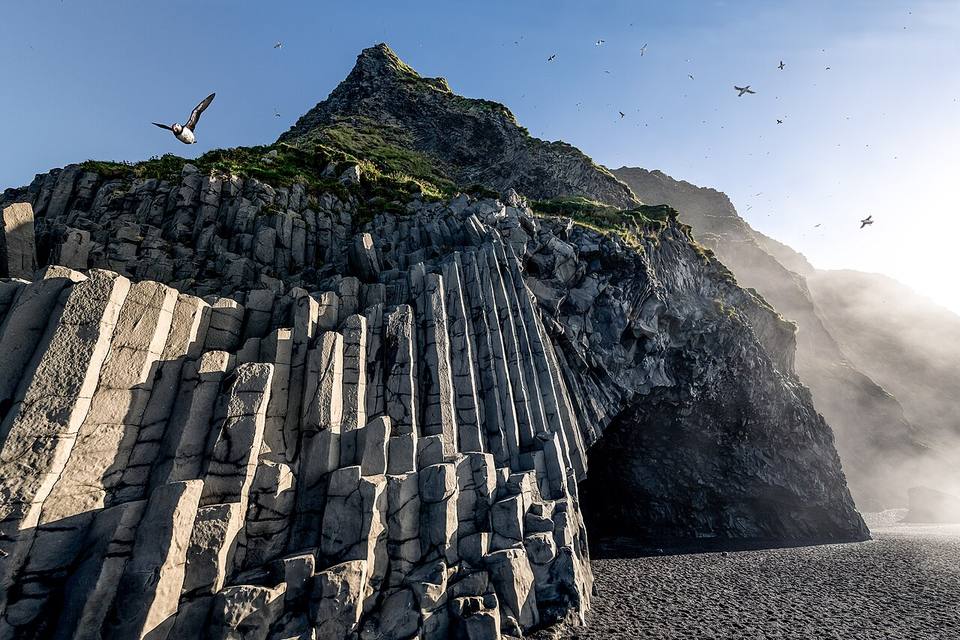
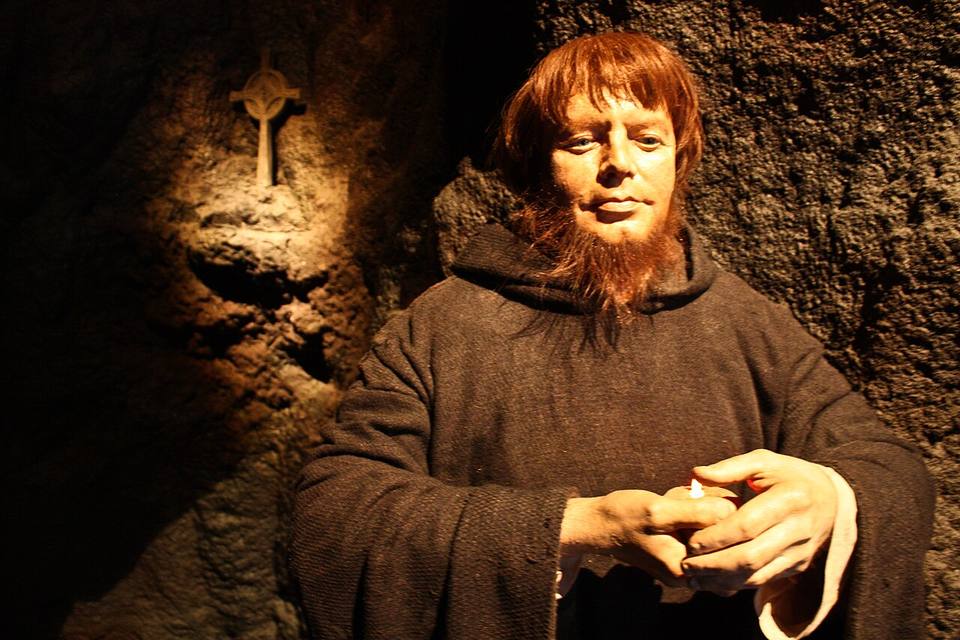
Reynisfjara black beach and the Reynisfjara/Reynisdrangar basalt sea stacks on Iceland's south coast (viewed from afar like the fossils of giants — a modern landform association); viewing points for the Westman Islands and Surtsey, and the Eldfell volcano (the 1973 eruption site and the Eldheimar volcano museum); distant views of the Hekla volcano (called the "Mouth of Hell" in the Middle Ages — a narrative of medieval monks); the Edda manuscript exhibitions at the National Museum of Iceland (the originals are held at the Árni Magnússon Institute at the University of Iceland and are usually presented in copies or special exhibitions). Opening times and exhibition periods are as officially announced each year.

Source leads: 《诗体埃达·Völuspá》 (Poetic Edda · Völuspá), 《散文埃达·欺骗基尔菲》 (Prose Edda · Gylfaginning); for the Surtr–volcano correspondence and Edda quotations, see https://norse-mythology.org/gods-and-creatures/giants/surt/ and the hypothesis survey https://adventures.is/blog/ragnarok-norse-mythology/

Image source · Bernd Thaller from Graz, Austria · CC BY 2.0

The World Tree and the Runes

Norse Mythology · Cosmological myth / belief in writing

The World Tree and the Runes

One ash tree holds up the nine worlds, and the chief god hangs on the tree for nine nights — the Norse wrote the universe as a tree, and writing itself as a sacrifice.

Read more
Stories and legends

The World Tree Yggdrasil is an evergreen giant ash, its three roots reaching respectively toward the land of the giants, toward Asgard, and toward the underworld; beneath its underworld root are the well Hvergelmir and the venom-dragon Níðhöggr gnawing at the roots; in its crown an eagle perches and a stag feeds on its leaves, and the squirrel Ratatoskr runs up and down between the eagle and the dragon, carrying messages and stirring mischief. Three springs determine the order of the world: beside the Well of Urðr, the three Norns, goddesses of fate, smear the roots daily with spring water and mud and weave the lifespans of all beings; the Well of Mímir hides wisdom, and Odin pledged one eye to drink from it; beneath the tree is the judgement court where the gods ride daily across the rainbow bridge to assemble. The story of the runes belongs to Odin's self-sacrifice: he tells it himself — "I was offered to Odin, myself to myself" — hanging on the tree for nine nights, wounded by a spear, without food, and as he stared down into the abyss he picked up the runes: writing was not invented, it was bought with suffering. And so the runes are both letters and charms: carved on a sword to seek victory, carved on stone to record a name, carved on a slip of wood to send a feeling. The World Tree ages, is gnawed, and at Ragnarök will tremble but not fall (one account says it still stands after the fire) — the image of the universe is not a palace, but a living thing that must be watered every day.

Origins of the story

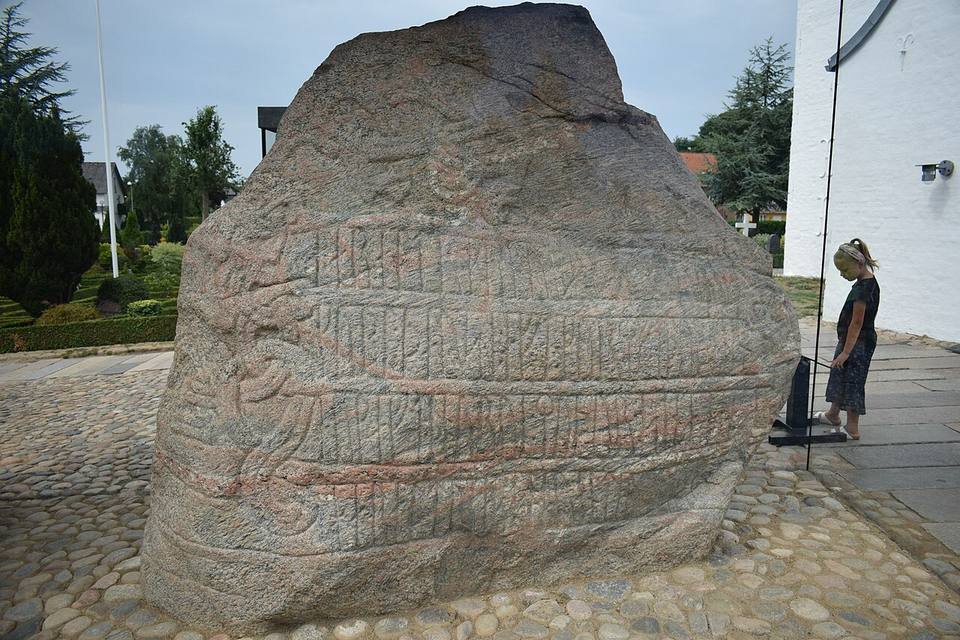
The Poetic Edda — Völuspá (女先知预言), Grímnismál (格里姆尼尔之歌), and the rune stanzas of Hávamál (奥丁智慧诗) — and the Prose Edda are the textual sources. The runic alphabet (the Elder Futhark, from about the 2nd century) is a real historical writing system, with some thousands of inscriptions extant, the great majority of a naming and memorial character; "magical use" forms only a limited proportion of the inscriptions and must be distinguished from New Age mystical elaborations. The Great Jelling Stone (erected by Harald Bluetooth around 965) sets a figure of Christ and a runic inscription side by side — physical evidence of the pagan–Christian transition; the interlaced great-beast carving on the north door of Urnes Stave Church (older timber of about 1070) has been read by some scholars as an image of the World Tree / Níðhöggr (one interpretation, not settled).

Customs

Most rune stones are open-air protected relics — rubbings, climbing, and touching the mossy surfaces are strictly prohibited (they accelerate weathering); the stave churches are timber national treasures — no flash photography or open flames inside, and some churches are still places of worship, so visit outside service hours and keep quiet; do not buy tourist souvenirs claiming to be "ancient rune amulets" as if they were antiques — the overwhelming majority are modern craftwork, and labelling them as such is sufficient.

Places you can visit

Jelling in Denmark (the Jelling stones, the royal mounds, Jelling Church, and the "Kongernes Jelling — Home of the Viking Kings" experience centre, a UNESCO site); the rune-stone fields around Uppsala and Sigtuna in Sweden (inscriptions at their open-air original sites); Urnes Stave Church in Norway (UNESCO) and Borgund Stave Church (dragon-head gables, interlaced carving on the door frames); rune exhibits at the National Museum of Iceland. Opening times at each site are as officially announced each year.

Source leads: 《诗体埃达·Hávamál/Völuspá》 (Poetic Edda · Hávamál / Völuspá), 《散文埃达》 (Prose Edda); for the Jelling stones' UNESCO 1994 inscription and Harald Bluetooth's inscription, see https://en.wikipedia.org/wiki/Jelling_stones ; for Urnes Church's date and carving, see https://www.lifeinnorway.net/urnes-stave-church/

Image source · Ljunie · CC BY-SA 4.0

The Hidden People of Iceland — Huldufólk

Norse Mythology · Folk belief / tales of hidden beings

The Hidden People of Iceland — Huldufólk

In Iceland, rerouting a planned highway for the elves is not news — it is common sense.

Read more
Stories and legends

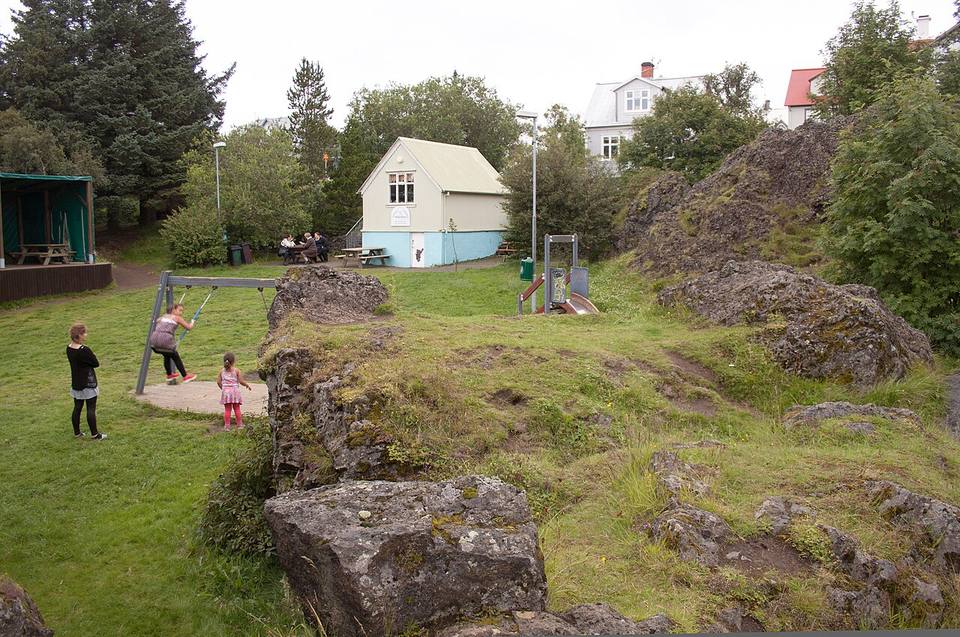
The Hidden People (Huldufólk) look just like humans; they simply live in "another layer of the world" within the rocks, hillocks, and lava fields, with churches, farms, and festivals of their own, only invisible to mortals. One folk explanation of their origin carries an echo of the Bible: Eve hid the children she had not washed clean, not daring to show them to God, and God said, "What is hidden shall remain hidden" — and so the Hidden People came to be (another account makes them angels of uncertain allegiance in the Fall, set between the human world and hell). Ordinarily they and humans keep the peace: farmers leave a lamp burning for the elves on Christmas night, and legend says the elves move house on New Year's night, when a person who sits at a crossroads all night and refuses all their food and temptations can win a treasure (most cannot last the night). The cost of giving offence is very specific: bulldozers that push elf rocks break down mysteriously, and workers are injured one after another — such "accident narratives" appear in Icelandic newspapers with notable frequency. The most famous case came in 2013–2015, when a highway at Álftanes crossed the Gálgahraun lava field and environmental and elf-belief advocates identified a boulder as an elf church (Ófeigskirkja); construction stalled, and the affair ended with "the elves agreeing to move house" and the boulder being carefully relocated to the roadside. The road walks around the stone, and the story walks around the road — the Hidden People live in Iceland's planning maps.

Origins of the story

Elf narratives are seen in Icelandic folk-tale collections from the 13th century onward (Jón Árnason's 19th-century Icelandic Folk Tales is the systematic source). Figures for the proportion of believers must be handled with care: a 1998 survey found about 54% of respondents "did not deny the existence of elves," while a 2007 University of Iceland survey found about 62% considered the existence of elves "possible / quite likely" — the two surveys asked different questions and the figures cannot be compared directly; the media often conflate them, and this entry labels them side by side. The "elf walks" of Hafnarfjörður and the Reykjavík Elf School (Álfaskólinn) are both contemporary folk-culture businesses (the Elf School is a private paid course, with fees for reference only), not certified academic institutions.

Customs

There is only one core taboo, and it is to be carried out in earnest: do not move, climb on, or carve the rocks identified as elf dwellings — in construction and hiking alike; do not loudly mock "superstition" beside an elf stone (a point of local cultural sensitivity); ask the householder's permission before photographing elf houses in private gardens; if you are invited to local activities at Christmas / New Year, respect the custom of "leaving a lamp for the elves" and do not make sport of it.

Places you can visit

Hafnarfjörður (the Hellisgerði lava park, the local narrative point of the "elf royal palace" at Hamarinn cliff, elf-themed walking tours); the Reykjavík Elf School (courses of a few hours with a certificate, for reference only); the elf-church stone at Álftanes / Gálgahraun lava field (reachable from the roadside; mind the boundaries of private land); the little "elf house" models by roadsides everywhere. Tour and course schedules are as officially announced each year.

Source leads: Jón Árnason, 《冰岛民间故事与传说》 (Icelandic Folk Tales and Legends); for the elf walks, the Elf School, and the framing of the 54% survey, see National Geographic https://www.nationalgeographic.com/travel/article/icelands-elf-obsession ; for a survey of the road stone-moving affair, see https://www.thevintagenews.com/2021/10/18/did-you-know-elves-in-iceland-prevented-a-road-from-being-built-for-eight-years/ (a media source; for details, Icelandic media reporting prevails)

Image source · Szilas · Public domain

Valkyries and the Einherjar

Norse Mythology · War myth / belief in the chosen slain

Valkyries and the Einherjar

They ride the clouds on horseback and call the roll on the battlefield — the dead they choose are not going to rest, but to an eternal training ground.

Read more
Stories and legends

The valkyries (Valkyrja, "choosers of the slain") are Odin's handmaidens and the sovereigns of the battlefield. The poems describe them so: helmets flashing, spears like lightning, riding over sky and sea, their armour spattered with rain of blood; and their very names are the vocabulary of war — Hildr (battle), Gunnr (onslaught), Róta (tumult), and Skuld (fate/debt, the youngest of the Norns, who is also numbered among the valkyries). The warriors they call by name become einherjar, training every day in Valhalla and feasting at dusk (see entry 24). But the valkyries' most moving stories are precisely the moments they disobey orders: Brynhildr (also named Sigrdrífa), going her own way in the marriage and victory Odin had arranged, caused a king who should not have won to fall; Odin punished her with a sleep of thorns, and she slumbered on a mountain ringed with fire, waiting for the destined hero Sigurðr to cross the flames and wake her — their love and betrayal sustain the whole main line of the Saga of the Völsungs and Wagner's Ring of the Nibelung. She who chose others' deaths died at last by her own choice: the tragedy of the valkyries is a crack the Norse myths leave in the narrative of war.

Origins of the story

The Poetic Edda · Grímnismál lists the valkyries by name, and the Seeress's Prophecy has a passage of the valkyries in array; Brynhildr's story is found in the Saga of the Völsungs and the Sigurðr poems of the Poetic Edda, and its historical prototype may be connected with the 6th-century Frankish queen Brunhilda (a scholarly hypothesis). Archaeologically, grave Bj 581 at Birka in Sweden was confirmed by DNA in 2017 to be the grave of a female Viking warrior, sparking a great discussion of "whether women warriors actually existed" — whether the grave's occupant was a commander, and its relation to valkyrie belief, are both unsettled, and citations must label the controversy; it must not be written that "the valkyries have been proven."

Customs

Some scenes at the Saga Museum contain images of violence and execution — check the age-rating notices before bringing young children; costume-experience weapon props may be used only in the designated photo areas — do not carry them out of the museum and brandish them; saga farmstead remains mostly lie on private farmland, so do not cross fences without permission.

Places you can visit

The Saga Museum in Reykjavík (Grandagarður 2, wax-figure saga scenes and a Viking costume experience; admission for reference only); the Settlement Centre in Borgarnes (the Egil's Saga exhibition); the Saga Centre in Hvolsvöllur (the stage of Njál's Saga); the National Museum of Iceland. Most saga sites are open-country place names and explanatory plaques without surviving buildings, so expectations should be managed as "literary geography." Opening times at each museum are as officially announced each year.

Source leads: 《诗体埃达》 (Poetic Edda), 《沃尔松格萨迦》 (Saga of the Völsungs); the Saga Museum official site http://www.sagamuseum.is/ ; for the Birka grave research, see Hedenstierna-Jonson et al., American Journal of Physical Anthropology, 2017 (academic source)

Image source · Shadowgate · CC BY 2.0

Bifröst, the Rainbow Bridge, and Iceland's Waterfalls

Norse Mythology · Cosmological myth / natural association

Bifröst, the Rainbow Bridge, and Iceland's Waterfalls

The rainbow is the gods' commuting bridge — and its keeper, Heimdall, watches it day and night, until the day of doom, when the giants come treading across it.

Read more
Stories and legends

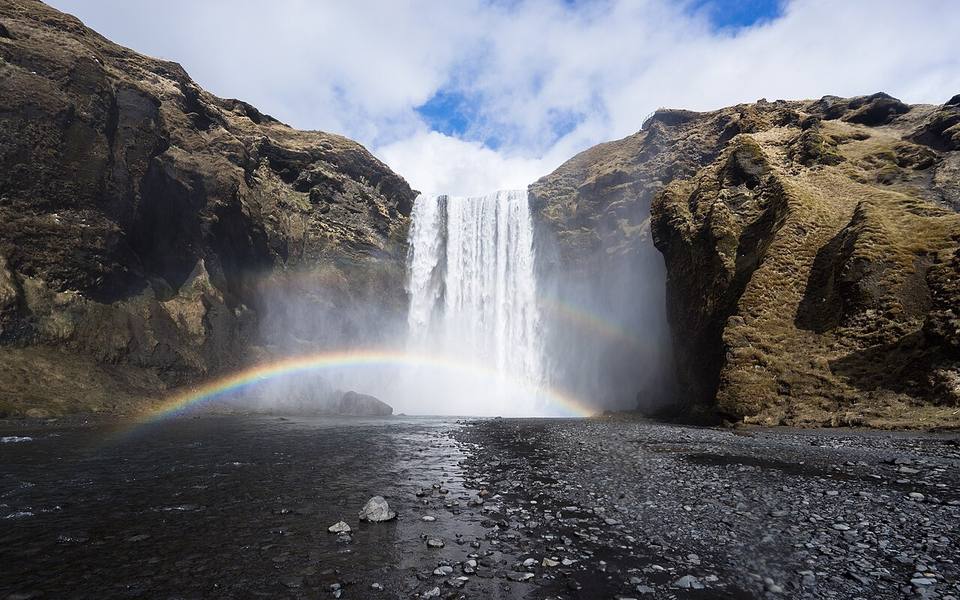
One end of the rainbow bridge Bifröst rests on Himinbjörg in Asgard, the realm of heaven (the palace of Heimdall), and the other end falls upon the human world. The bridge has three colours, and the red band is burning flame — the Prose Edda explains that this is to stop the frost giants and mountain giants from seizing the bridge and storming heaven: if they set foot on it, they will surely be barred by the flames and by the river rushing beneath the bridge. The bridge's keeper, Heimdall, is the most vigilant of the gods: he sleeps less than a bird, can see a hundred miles off, and can hear the grass grow and the wool sprout on sheep; beside his pillow lies the Gjallarhorn — the day it sounds is the day Ragnarök begins. Ordinarily only the gods cross the bridge: every day they ride down along it to the judgement court beside the Well of Urðr; Thor alone is the exception — he is required to wade through the water, because his thunder and his weight would break and scorch the bridge's surface (the Song of Grímnir names the two rivers he fords). Prophecy has written the bridge's ending: the sons of Muspell (the fire-giant host), led by Surtr, charge across the bridge, and Bifröst shatters beneath their hooves — the gods' most beautiful creation, destroyed in the very battle it was made to defend against. Iceland's waterfalls have no direct binding to this bridge in the ancient texts (see History and Origins), but when you stand in the spray of Skógafoss and watch a double rainbow span the black rock and the green meadow, you understand at once why modern Icelanders are willing to "lend" this bridge to the waterfall.

Origins of the story

Bifröst is found in the Prose Edda · Gylfaginning chapters 13, 15, and 51 and in the Poetic Edda · Grímnismál stanza 29 and the Lay of Fáfnir. It must be made explicit: the Eddas never mention Skógafoss or Gullfoss, and the association of the two waterfalls with Bifröst is an interpretive association of contemporary Icelandic guiding and travel literature; this entry presents it as a "modern mythic interpretation" and does not dress it up as an ancient source. Skógafoss's own local legend is that the settler Þrasi hid a chest of gold behind the falls (the chest's ring is now kept in the Skógar Museum), and Gullfoss's own local narrative is the true history of Sigríður's early-20th-century fight to protect the falls from hydroelectric development — each of the two waterfalls has a real story of its own and needs no borrowed rainbow bridge to add lustre.

Customs

The rocks at the falls' edges are wet and slippery in the spray all year round — walk only on the trails inside the fences, and do not cross the ropes to photograph a rainbow; drones are prohibited or permit-controlled at many national parks and popular waterfalls — check the on-site signs first; do not swim, draw water, or play in the plunge pools; the door ring at the Skógar Museum is an artefact — do not touch it.

Places you can visit

Skógafoss (25 m wide, a drop of 60 m, with single/double rainbows common on fine days, and steps climbing to the top of the falls) and the Skógar Folk Museum (the chest's door ring); Gullfoss (on the Golden Circle, falling in two tiers, with a high probability of rainbows in the afternoon, a memorial, and the Sigríður narrative); Seljalandsfoss can serve as a comparison on the same line. The waterfalls are all open natural sites; parking and trail rules are as officially announced each year.

Source leads: 《散文埃达·欺骗基尔菲》 (Prose Edda · Gylfaginning), 《诗体埃达·格里姆尼尔之歌》 (Poetic Edda · Grímnismál); for Skógafoss's rainbow and chest legend and the museum's door ring, see https://www.glacierguides.is/destinations/skogafoss-waterfall and https://theculturetrip.com/europe/iceland/articles/this-picturesque-waterfall-in-iceland-is-where-you-need-to-be

Image source · Jeremy Goldberg jeremy · CC0

In-depth features2
A Map of Greek Mythic Sites: The Geography of Oracles, Games, and Epic

System Overview · System Overview

A Map of Greek Mythic Sites: The Geography of Oracles, Games, and Epic

Mythology That Can Be Walked to Its End.:Greek mythology differs from most mythologies in that

Read more
Mythology That Can Be Walked to Its End.

Greek mythology differs from most mythologies in that most of its stages have archaeological coordinates: the mountainside of Delphi, the river flats of Olympia, the palace site of Knossos, the bay of Ithaca can all still be reached on foot. When Pausanias wrote his Description of Greece in the 2nd century, it was itself a mythological geography organised by route — wherever he went, he registered the local temples, statues, and legends one by one. This overview follows his logic and divides the sacred sites by function into three classes. The first class is the oracular sites: Delphi stands first, where Apollo speaks through the mouth of the Pythia; from the 6th century BCE it became the information hub of all Greece, and colonisation, legislation, and war were all put to the god first; its authority came from its deliberate ambiguity and from the cosmological positioning of the Omphalos, the "navel of the world." The Nekromanteion in Epirus is its dark counterpart: Delphi is asked about the future of city-states, while here the dead are asked — Herodotus records Periander questioning his dead wife, and the summoning of the dead in book 11 of the Odyssey provided it with its literary prototype (the site's identification is still academically contested; see entry 21).

Games and Palaces.

The second class is the athletic sanctuaries: Olympia (Zeus), Delphi (the Pythian Games, Apollo), and Nemea and the Isthmus of Corinth each had their Panhellenic games. Athletics is not an appendage of mythology but its mechanism of performance: the east pediment of the Temple of Zeus at Olympia carves the chariot-race origin of Pelops in stone, the athletes swear their oaths before the altar of Zeus, and victory odes by poets such as Pindar write men's victories back into the genealogy of the gods. The third class is the epic and palace sites: Knossos superimposes the Minotaur's Labyrinth onto the plan of a real Minoan palace (Evans's concrete restoration keeps that superimposition full of controversy to this day); Mycenae and Tiryns correspond to Agamemnon's supremacy, and Ithaca to the homecoming of the Odyssey — the geographical authenticity of the Homeric epics has, since Schliemann, been in the state of "partly provable, partly forever unprovable": Troy was dug up; Odysseus's palace was not (the Mycenaean remains at Stavros are only a candidate). The honest traveller should read such places as "literary geography": their value lies not in proving truth or falsehood, but in text and landform glossing each other — stand at Dexa Bay on Ithaca and look at the shape of the harbour of Phorcys, and the description in book 13 of the Odyssey does indeed fit seamlessly.

How to Walk One Map.

The recommended land circuit: the Acropolis of Athens (the city-state guardian myth and the stone-carved version of the contest story on the Parthenon) → the Isthmus of Corinth → Olympia (the origin of the games) → the Nekromanteion in Epirus and the Acheron River (the geography of the underworld) → Delphi (the oracle and the navel of the world); island extensions: Crete (the Labyrinth and the starting point of Icarus's flight route), Ikaria (the island named for the fall into the sea), Ithaca–Kefalonia (the end of the homecoming). Practical reminders: Greek sites in summer operate with timed entry and heat adjustments, and opening times and admission are as published each year by the Greek Ministry of Culture and each site's official page; the three most important originals are not at their original sites but in museums — the Delphi Charioteer is in the Delphi Museum, the Knossos frescoes in Heraklion, the Olympia pediments in the Olympia Museum — so itineraries must pair "site + corresponding museum." The last lesson of mythological geography is at the Acropolis Museum in Athens: the other half of the original Parthenon sculptures is in London — a map of sacred sites has always also been a map of dispersal and return.

Source leads: Pausanias, 《希腊志》 (Description of Greece); Herodotus, 《历史》 (Histories); Pindar, 《颂歌》 (Odes); UNESCO: Delphi https://whc.unesco.org/en/list/393/ , Olympia (1989), the Acropolis (1987); the Greek Ministry of Culture's Olympia feature https://olympicgames.culture.gov.gr/en/periigisi.html and Nekromanteion page https://allofgreeceone.culture.gov.gr/en/venues/nekromanteion-of-acheron-preveza/

Image source · Andrew Parlette from Elkridge,MD, US · CC BY 4.0

Norse Mythology: The Eddas, the Sagas, and the Land of Ice and Fire

System Overview · System Overview

Norse Mythology: The Eddas, the Sagas, and the Land of Ice and Fire

The Texts Are Iceland's; the Myths Are All of Scandinavia's.:Norse mythology has a curious fact

Read more
The Texts Are Iceland's; the Myths Are All of Scandinavia's.

Norse mythology has a curious fact about it: the centre of the gods' worship lay in Norway, Sweden, and Denmark, yet the texts were preserved almost entirely by Iceland. The manuscripts of the Poetic Edda's poems (the Codex Regius, c. 1270) and Snorri Sturluson's Prose Edda, written around 1220, both come from the hands of Icelanders more than two centuries after Christianisation — Snorri's purpose in writing the Edda was even "to teach young poets to understand the ancient kennings," and mythology was thus rescued in the identity of a literary handbook. The sagas are another line of preservation: the family sagas and kings' sagas write the Vikings' voyages, feuds, and conversion into prose history, and mythic figures often make guest appearances in them (in the Heimskringla, Odin is written as a sorcerer-king migrated from the east — the medieval authors' "historicising" treatment, which the reader must be aware of). The key to understanding the Norse entries is therefore double: of every place one must ask whether it belongs to the Edda's cosmos (the World Tree, Valhalla, Ragnarök) or to the sagas' human world (the assembly at Þingvellir, Egill of Borgarnes, the choice of conversion before Goðafoss).

A Cosmology of Ice and Fire.

The Norse cosmos was born of a collision: on one side of the void Ginnungagap lay the rime of Niflheim, on the other the fire of Muspelheim, and where ice and fire met they condensed into the primal giant Ymir and the cow Auðumbla. This cosmology is almost a literal translation of Iceland's landforms: volcanoes press beneath the glaciers, black beaches are the debris of lava entering the sea, and hot springs and cold springs run side by side in the same rift valley. Scholars (Davidson and others) have accordingly proposed the volcanic-prototype theory of Ragnarök: Surtr's flames, the blackened sun, and the earth sinking into the sea bear a striking resemblance to eyewitness records of Laki-type eruptions; and the island that newly erupted in 1963 was directly named Surtsey — modern Icelanders personally continuing the mythology into the map. Likewise, Bifröst in the Eddas is a functional fortification, and the Icelanders' identification of it with the resident rainbows of Skógafoss and Gullfoss is a contemporary re-mythologisation — this volume explicitly labels it a modern interpretation, because distinguishing "what the ancients believed" from "what we are willing to believe" is precisely the ethical baseline of mythological travel. The elf faith (Huldufólk) is the living specimen of that ethical line: it is half folklore and half a local language of environmental protection, and when a highway gives way to an elf stone, what operates is community consensus, not theology.

From Rune Stones to Stave Churches.

The material remains of Norse mythology form a clear timeline: from the 2nd century, runic inscriptions were carved on weapons and stone monuments; in the 10th century, on the Great Jelling Stone, runes, a figure of Christ, and the country-name "Denmark" stand juxtaposed on the same stone — paganism and Christianity handing over in a single rock; in the 11th–13th centuries, Norway's stave churches carved interlaced great beasts and dragon-head gables into Christian architecture (Urnes c. 1130, Borgund c. 1180), and the image of the World Tree (by one interpretation) crept thereby into the churches' door frames; in the same period, the royal mounds of Gamla Uppsala and the Law Rock of Þingvellir mark the yielding of sacral kingship to an assembly community. The recommended Norse line: Jelling in Denmark (the handover point) → Gamla Uppsala in Sweden (royal cult) → the Norwegian fjords and stave churches (the wooden archive of folk belief) → Þingvellir, the Golden Circle, and the south-coast waterfalls and black beaches of Iceland (text, assembly, and landform in one). Seasonally, waterfall rainbows are summer's gift, while the polar night and aurora in the manner of Ragnarök belong to winter; the two seasons' Icelands are two translations of the same Edda.

Source leads: 《诗体埃达》 (Poetic Edda, Codex Regius), 《散文埃达》 (Prose Edda, Snorri Sturluson), 《海姆斯克林拉》 (Heimskringla); the Jelling stones, UNESCO (1994) https://en.wikipedia.org/wiki/Jelling_stones ; Urnes Stave Church https://www.lifeinnorway.net/urnes-stave-church/ ; Surtr and the volcano hypothesis https://norse-mythology.org/gods-and-creatures/giants/surt/ ; the framing of the elf-belief surveys https://www.nationalgeographic.com/travel/article/icelands-elf-obsession

Image source · Jakub Hałun · CC BY 4.0

In-depth features

In-depth features4
The Eight-Country, Ten-City Classic Circuit of Europe (14–18 Days)

Feature In-Depth · Feature In-Depth

The Eight-Country, Ten-City Classic Circuit of Europe (14–18 Days)

Overview and pacing.:Route: London (2 nights) → Paris (3 nights) → Brussels (1 night, or pass t

Read more
Location

Europe

Overview and pacing.

Route: London (2 nights) → Paris (3 nights) → Brussels (1 night, or pass through the same day) → Amsterdam (2 nights) → Berlin (2 nights) → Prague (2 nights) → Vienna (2 nights) → Venice (1–2 nights) → Florence (2 nights) → Rome (2–3 nights) — 16–19 nights in all; to compress it into 14 days you must cut the Brussels overnight and reduce Venice to 1 night; for a first trip to Europe at a moderate level of fitness, 17–18 days is the comfortable version. This line can be travelled entirely by rail, with no flights needed (apart from the arrival and departure points), and the luggage routes are designed around "main station to city-centre hotel".

Leg by leg, in detail.

London, 2 nights: D1 Westminster Abbey / Big Ben / the London Eye / the National Gallery; D2 the British Museum (reserve a free time slot) + Covent Garden, and the nightscape of Tower Bridge in the evening; within the city, travel by Underground with an Oyster card or contactless payment. London → Paris: the Eurostar from St Pancras to Paris Gare du Nord takes about 2 hours 17 minutes; advance fares differ several-fold, so book early, and allow 90 minutes for border formalities and security. Paris, 3 nights: D1 the Eiffel Tower (reserve the ascent) + the Champ de Mars + a Seine cruise; D2 the Louvre (reserve; take the masterpieces route in half a day) + the Tuileries + the Musée d'Orsay; D3 a day at Versailles, or Montmartre and the Sacré-Cœur; within the city, by metro and on foot. Paris → Brussels: Thalys (now the Eurostar red service) in about 1 hour 22 minutes; Brussels, 1 night: the Grand-Place (World Heritage), the Manneken Pis (smaller than you expect — adjust your mindset in advance), the Royal Museums of Fine Arts / the Comics Art Museum, and waffles and beer that same evening. Brussels → Amsterdam: a direct high-speed train in about 1 hour 50 minutes; Amsterdam, 2 nights: D1 the Rijksmuseum + the Van Gogh Museum (two reservations; they can be strung together in one day) + a canal cruise; D2 the Anne Frank House (grab the tickets in advance) + the Jordaan + the markets, with the windmill village of Zaanse Schans as an optional half day. Amsterdam → Berlin: a direct ICE in about 6 hours (or a night train, or a change at Hanover) — the longest leg of the whole trip, so lay in food and downloaded entertainment; Berlin, 2 nights: D1 the Brandenburg Gate / the Reichstag (reserve the dome) / the Holocaust Memorial / Potsdamer Platz; D2 the East Side Gallery + Museum Island + Checkpoint Charlie, finishing with a currywurst. Berlin → Prague: a direct EC in about 4 hours (the Elbe valley stretch has fine scenery); Prague, 2 nights: D1 Old Town Square + the Astronomical Clock + Charles Bridge (in the early morning) + the Old Town tower; D2 Prague Castle (reserve the route) + the Lesser Town + the Vltava at dusk. Prague → Vienna: Railjet in about 4 hours; Vienna, 2 nights: D1 Schönbrunn (reserve) + the old town / St Stephen's Cathedral; D2 the Belvedere (Klimt's The Kiss) + a concert in the Golden Hall (buy proper tickets and beware of touts); café culture is a required course. Vienna → Venice: a daytime Railjet in about 7.5 hours (the Alpine Semmering stretch is a World Heritage railway, and choosing the daytime is no loss) or the night train; Venice, 1–2 nights: the full St Mark's set (basilica + Doge's Palace, reserved) + the Rialto + one of the islands (Murano the glass island or Burano the coloured island). Venice → Florence: Frecciarossa / Italo high-speed trains in about 2 hours; Florence, 2 nights: D1 the cathedral dome (reserved) + the Uffizi (reserved); D2 the Accademia's David + sunset at Piazzale Michelangelo + a steak. Florence → Rome: high-speed train in about 1.5 hours; Rome, 2–3 nights: D1 the Colosseum + the Roman Forum + the Palatine (reserve the combined ticket); D2 the Vatican Museums + St Peter's (first slot of the day, reserved; dress to cover knees and shoulders); D3 the Pantheon + Piazza Navona + a closing wander in the old lanes of Trastevere.

Transport and ticketing strategy.

Cover the cross-border legs with a Eurail Global flexi pass (10 travel days within 2 months, or 15 within 2) for the long stretches, and price the short legs and advance tickets separately against it (see E2 for details); the legs with compulsory seat reservations (in Italy, on French TGVs, and in Spain) carry a separate seat fee; within cities, cost out day tickets and travel cards day by day. Who it suits, and pacing advice: first-time visitors to Europe, of a history-and-art inclination, able to walk 15,000 steps a day. The version with older travellers or children: cut one night each from Brussels and Berlin and add the slack to Paris and Rome as buffer, and set one "no-reservation day" in every three. The winter version should note the short daylight in the north (dark by 16:00), offset by the Christmas markets; the summer version must double the lead time on every reservation and carry anti-theft habits throughout (see E2). Depart home from Rome airport, and handle the tax refunds there in one go (see the procedure in E2).

Source leads: Eurostar / Eurail official timetables and pass rules; the official reservation systems of the venues (the Louvre, the Vatican, the Colosseum, the Uffizi and others).

Image source · Kabelleger / David Gubler · CC BY-SA 4.0

A Complete Guide to Transport in Europe

Feature In-Depth · Feature In-Depth

A Complete Guide to Transport in Europe

Eurail passes: the types, and the conditions under which they pay for themselves.:Eurail (Inter

Read more
Location

Europe

Eurail passes: the types, and the conditions under which they pay for themselves.

Eurail (Interrail for European residents, Eurail for non-European residents) comes as the Global Pass (33 countries) and the One Country Pass. The Global Pass is in turn either Flexi (4, 5 or 7 travel days within 1 month, or 10 or 15 travel days within 2 months) or Continuous (15 or 22 consecutive days, or 1, 2 or 3 months). Youth tickets (ages 12–27) run at roughly 25% off; there are adult tickets (28 and over) and senior tickets (60+, roughly 10% off); children aged 4–11 travel free with an adult (up to two per adult, with seat reservations paid separately) — all by the price list on eurail.com on the day. Three conditions make a pass worth its price: (1) many long legs (five or more cross-border high-speed legs whose point-to-point fares regularly exceed €60); (2) a highly flexible itinerary (advance tickets are cheap but non-refundable and non-changeable, and the pass's "just board" freedom is exactly what the premium buys); (3) travelling in peak season (when advance tickets have sold out, the pass is better value). It is not worth it if: you are only visiting two cities in one country (buy advance tickets), hopping everywhere by budget airline, or travelling many legs in Spain and Italy (in both countries the compulsory seat fees and the cheap low-cost advance fares often make the pass come out behind). Seat-reservation practice: reservations are compulsory on French TGVs and cross-border services, on Italy's Frecciarossa and on Spain's AVE (from a few euros to a few tens of euros), while in Germany, Austria, Switzerland and the Netherlands/Belgium they are mostly not required (Swiss scenic trains are the exception, and the seat fees on the Glacier Express and the like are high); make reservations through Eurail Reservations, at stations or in the app, and book early in peak season.

The railways of each country.

Germany's DB: a dense network, no compulsory reservations on ICE trains, and punctuality has slipped in recent years — leave room in your connections (at least 15 minutes). France's SNCF: the TGVs radiate from Paris and cross-country travel is slow, and strikes occur from time to time, so check the warnings. Italy has two competing operators, Trenitalia and Italo, with good advance fares. Spain's Renfe: a strong AVE network but weak cross-country links, with airport-style security, so arrive at the station early. Switzerland's SBB: the benchmark for punctuality, and its passes include lake boats and discounts on some cable cars, while the Half Fare Card suits a deep trip in one country. The United Kingdom: a complicated fare system in which Advance tickets and Off-Peak tickets differ several-fold, and split ticketing — buying a journey in separate legs — is a legal way to save (check it with proper tools).

Low-cost airlines and buses.

On Ryanair, easyJet, Wizz Air and the other budget airlines, the base fare covers only a small personal bag; cabin bags and checked luggage are added charge by charge (the total often catches up with the legacy airlines — always work out the full price first). Their airports are often in the far suburbs (Beauvais for Paris, "Frankfurt" Mainz, and so on), so count the transfer time into the trip; check-in must be done online by yourself, and counter fees for failing to do so are high. Long-distance coaches such as FlixBus are the cheapest of all, and a night bus saves a night's lodging; the drawbacks are the journey time and the uncertainty of borders and traffic; baggage allowances and rebooking rules are as stated on the purchase page. RegioJet (on the Czech–Austrian routes) has a good reputation on both buses and trains.

The Schengen rules.

The Schengen area's 29 countries (in the reckoning after Romania and Bulgaria's full accession in 2025 — follow the EU's latest official list) apply to most non-EU passports the rule of "no more than 90 days' cumulative stay within any rolling 180-day period," counted across all the countries together and rolled back continuously (it is not reset every six months); the United Kingdom and Ireland are outside Schengen and are counted separately; Chinese passports require a Schengen visa (applied for at the consulate of the main destination country or the first country of entry; fees and documents follow the consulate), and the passport must be valid for more than 3 months beyond the departure date and issued within the last 10 years, by the general EU rule; the launch dates of new systems such as ETIAS and the EES are repeatedly adjusted, so before travelling check the EU's official site (travel-europe.europa.eu) and do not trust fee-charging agent sites.

Tax refunds.

Non-EU residents who spend above each country's threshold in a single "Tax Free" shop (France €100.01, Italy roughly the €70 class, Germany roughly the €25 class, and so on — the countries differ, and the in-store notices govern) should ask for a tax-refund form; at the final point of departure from the EU, have it stamped by customs or electronically validated (in France, scanning at a PABLO machine is the most convenient), and take the refund in cash (with a rate loss) or by card (slow to arrive); the goods must be unused and carried with you, ready for inspection; the United Kingdom has abolished tourist tax refunds (apart from the Northern Ireland details), so do not set time aside for it.

City transport cards and safety.

Paris's Navigo Easy / phone tickets, London's contactless daily cap, Amsterdam's GVB day tickets, Rome's 48/72-hour tickets, Vienna's weekly ticket (famous value for money) — the general rule: a day ticket only pays for itself at four or more rides a day. Safety: the high-incidence scenes for pickpockets are Paris Métro Line 1 and the funicular at the Sacré-Cœur, Rome's Termini station and the crowds at the Colosseum, Barcelona's La Rambla and metro, and Prague at the striking of the astronomical clock — wear your backpack in front, put your phone on a lanyard, and be wary of the distraction approaches ("asking directions / a questionnaire / pigeon food / a bracelet"); change trains at large, well-lit stations at night, and keep your valuables stored in separate places.

Source leads: Eurail (official) https://www.eurail.com on the pass system; the European Commission on the Schengen 90/180 rule and the member list; the official guidance of the French, Italian and Spanish railways and the customs authorities on tax refunds.

Image source · mattbuck (category) · CC BY-SA 3.0

The Signature Food and Eating Habits of Europe's Countries

Feature In-Depth · Feature In-Depth

The Signature Food and Eating Habits of Europe's Countries

Italy.:Signature dishes: Neapolitan pizza, Pizza Napoletana (STG-certified; the authentic crust

Read more
Location

Europe

Italy.

Signature dishes: Neapolitan pizza, Pizza Napoletana (STG-certified; the authentic crust is soft with a leopard-spotted rim); Rome's pasta alla carbonara, Pasta alla Carbonara (egg yolk, guanciale cheek bacon and Pecorino — the Roman orthodoxy forbids cream); and Tiramisù. Habits: a full meal follows the order antipasto / primo / secondo / dolce, with lunch from 13:00 and dinner from 20:00; coffee is cheaper standing at the bar than seated, and a cappuccino belongs to the morning (to order one after lunch draws a sideways look — a custom, not a ban); tipping is not obligatory, and the bill's pane e coperto charge for seat and bread is customary.

France.

Signature dishes: duck confit, Confit de Canard; beef Burgundy, Bœuf Bourguignon; the Niçoise salad, Salade Niçoise, and the crêpe, Crêpe. Habits: the bread goes straight onto the table, and bread before the meal comes without butter (breakfast is the exception); kitchens keep strict hours, lunch 12:00–14:00 and dinner from 19:30; water and bread are replenished free by default (you can simply ask for a carafe d'eau of tap water); the tip is already included (service compris), and leaving small change on top is a mark of satisfaction.

Spain.

Signature dishes: paella — Paella Valenciana (the orthodox version is chicken, rabbit and beans; the seafood version is the Paella de Marisco); the potato omelette, Tortilla Española; and the cold soup Gazpacho. Habits: the latest mealtimes in Europe (lunch at 14:00, dinner at 21:00–22:00), with tapas eaten standing at the bar and moving from bar to bar; tipping is not compulsory, though leaving 5–10% in a restaurant is generous; a paella is cooked to order, takes 20 minutes, and is made for two people or more.

Germany.

Signature dishes: Schnitzel (the Viennese kind is Austrian; Germany's is mostly the pork version); currywurst, Currywurst; and the white sausage, Weißwurst (Bavarian). Habits: shared tables in the beer halls, and crisp, direct ordering; the shops close on Sundays; tip 5–10%, rounded up and handed over in person when paying (to leave money on the table and walk out was the old-fashioned discourtesy).

The United Kingdom.

Signature dishes: fish and chips, Fish and Chips; the full English breakfast, Full English Breakfast; and the Sunday roast with Yorkshire pudding, Sunday Roast (on Sundays). Habits: in a pub you order and pay at the bar; afternoon tea requires a reservation and no sportswear (in the grand hotels); the restaurant tip is 10–12.5% (the bill may already include a service charge — read the bill first).

Greece.

Signature dishes: moussaka, Moussaka (baked aubergine and meat sauce); souvlaki, Souvlaki — the "soul food"; and the Greek salad, Horiatiki. Habits: dinner starts at 21:00; seafood is ordered by the kilogram, so look at the fish first; the bread and starters come first and the main courses slowly; tip by leaving change, up to 5–10%.

Portugal.

Signature dishes: the custard tarts, Pastéis de Nata (born in Belém; dusted with cinnamon); salt cod, Bacalhau (of which "365 ways" are claimed); and grilled sardines, Sardinhas Assadas (for the St Anthony festival in June). Habits: the appetisers set on the table before the meal (bread, olives, cheese) are charged if eaten — this is the couvert system, and you may wave them away to decline; coffee is a national daily ritual (the small cup is a bica); tip 5–10% in cash.

Austria.

Signature dishes: Wiener Schnitzel (orthodox in veal); Sachertorte; and the clear beef soup with pancake strips, Frittatensuppe. Habits: the café culture (one cup of coffee entitles you to sit the whole afternoon, and the newspaper rack is standard equipment), and ordering drinks before the food; tip 5–10%, rounded up in person.

The Netherlands.

Signature dishes: the syrup waffle, Stroopwafel; raw herring, Haring; and the Indonesian rice table, Rijsttafel (a dish of Dutch colonial history). Habits: dinner is early (18:00), and cafés and cannabis coffeeshops are strictly distinguished (see the Amsterdam entry); splitting the bill frankly, "going Dutch," comes from this custom, and tipping is just a matter of rounding up.

The Nordics (Denmark / Sweden / Norway / Finland, treated together).

Signature dishes: the Danish open sandwich, Smørrebrød; Swedish meatballs, Köttbullar; and New Nordic seasonal cuisine (expensive and by reservation); salmon (cured as Gravlax) and herring are eaten across all the countries. Habits: fika, the coffee break, is a common social custom in Sweden, and the dagens lunch special is the way to save money; alcohol is sold through state monopolies and at high prices, which is the national situation in each country, so double the budget for drinks in restaurants; tips are mostly included or a matter of rounding up, payment is by card, and the region is nearly cashless (Sweden most of all).

Source leads: Official food and intangible-heritage materials of the countries concerned (UNESCO / STG certifications for Belgian beer culture, Neapolitan pizza and others); standard guides to each country's dining customs.

Image source · Kritzolina · CC BY-SA 4.0

Ten City Snapshots

Feature In-Depth · Feature In-Depth

Ten City Snapshots

Paris.:Its character is an art capital where romance and order coexist, and the Seine strings t

Read more
Location

Europe

Paris.

Its character is an art capital where romance and order coexist, and the Seine strings the bookshops and cafés of the Left Bank and the palace avenues of the Right Bank into a single walking corridor. Keywords: the Seine, the Eiffel Tower, museums, cafés. The signature experience is to enter the Louvre or the Musée d'Orsay early in the morning, walk the bouquinistes second-hand book stalls along the river in the afternoon, and climb the Montmartre hill at dusk to look over the city's rooftops. The signature foods are the croissant, confit de canard (duck leg confit) and escargots (baked snails); the butter smell of the bakeries is the Parisian's unshakeable daily dignity.

London.

Its character is a restrained and diverse global metropolis, and the two banks of the Thames pack royal tradition, the financial new city and the everyday warmth of its immigrant communities into a single frame. Keywords: the Thames, museums, theatres, markets. The signature experience is a free day in the British Museum or the National Gallery, an evening musical in the West End, and then the street food of every country at Borough Market. The signature foods are fish and chips, the Sunday roast and the full English breakfast; afternoon tea must come with scones and clotted cream to be complete.

Rome.

Its character is an eternal city that is an open-air museum, where more than two thousand years of remains share the same streets as contemporary life, and history is round every corner. Keywords: the Colosseum, the Vatican, fountains, the trattoria. The signature experience is to see the Colosseum and the Roman Forum early, while the crowds are thin, enter the Vatican Museums at midday to see the Sistine ceiling, and dine and stroll in the old lanes of Trastevere after dark. The signature foods are pasta alla carbonara, cacio e pepe (pasta with black pepper and cheese) and supplì (fried rice balls); Romans insist that pasta be al dente, with a bite to it.

Venice.

Its character is a maze of a water city floating on its lagoon, with no cars at all — only canals, stone bridges and the slowness measured out on foot. Keywords: the Grand Canal, gondolas, St Mark's, masks. The signature experience is to ride a vaporetto water bus the length of the Grand Canal, enter St Mark's Basilica and the Doge's Palace, and then deliberately get lost in the lanes to hunt out the bacari wine bars. The signature foods are cicchetti, the Venetian small dishes; risotto al nero di seppia, cuttlefish-ink risotto; and sarde in saor, sweet-and-sour sardines; eating small dishes standing up, with a glass of local white wine, is the most authentic way in.

Florence.

Its character is the heart of the Renaissance, where between the Arno and the red-tiled domes the density of galleries is so high that you have to slow down to digest it. Keywords: the Renaissance, the Uffizi, Florence Cathedral, leather goods. The signature experience is to reserve the Uffizi for Botticelli and Leonardo, climb the cathedral dome to look over the whole city, and watch the sunset from Piazzale Michelangelo. The signature foods are bistecca alla fiorentina, the thick-cut Florentine steak; lampredotto, the tripe sandwich; and ribollita, the thick vegetable-and-bread soup; the steak is charged by the kilogram and eaten rare only — an old local rule; prices are for reference only, so confirm before ordering.

Barcelona.

Its character is a sunny, outward Mediterranean city of creativity, where Gaudí's curved buildings, the beaches and the markets make up a Catalan warmth. Keywords: Gaudí, the Sagrada Família, La Rambla, the beach. The signature experience is to reserve the Sagrada Família and Casa Batlló in advance, get lost in the Gothic Quarter and then eat freshly cut ham at the Boqueria market, and walk the seafront at dusk. The signature foods are paella, tapas and crema catalana, with vermut to drink; a paella is cooked to order and takes a long while, and it cannot be hurried — that is the consensus of the local table.

Prague.

Its character is a fairy-tale quiet old city of Bohemia, where the Vltava, Charles Bridge and a skyline of spires are at their most moving in the morning mist. Keywords: Charles Bridge, Old Town Square, the castle, beer. The signature experience is to cross Charles Bridge early to avoid the crowds, climb to the castle district to see St Vitus Cathedral, and wait on Old Town Square for the astronomical clock to strike the hour. The signature foods are svíčková, beef in cream sauce with bread dumplings; guláš; and trdelník, the chimney cake; a glass of Czech pilsner beside them balances the richness with freshness exactly, and the local dining prices are for reference only.

Vienna.

Its character is a city of music and cafés amid the afterglow of empire, with a stately rhythm in which dessert is as daily a necessity as the sound of music. Keywords: the city of music, cafés, the Ringstrasse, Schönbrunn. The signature experience is a day at Schönbrunn and the Kunsthistorisches Museum, an evening concert in the Golden Hall, and, in between, reading the newspaper and eating cake in a century-old café. The signature foods are Wiener Schnitzel, the veal escalope; Sachertorte; and Apfelstrudel; a true Schnitzel must be veal, so read the label carefully when ordering — that is where the Viennese are serious.

Budapest.

Its character is a twin city divided by the Danube: the Castle Hill of Buda is quiet, the ruin bars of Pest are lively, and the thermal baths stitch the two together. Keywords: the Danube, Parliament, the baths, ruin bars. The signature experience is to climb Fisherman's Bastion at dusk to watch Parliament light up, take a boat at night to see the lamps on both banks, and then soak in the outdoor pools of the Széchenyi Baths. The signature foods are gulyás, the Hungarian beef soup; lángos, the fried flatbread; and chimney cake; paprika is the soul, so when buying it as a souvenir look for the grade on the label — prices are for reference only.

Amsterdam.

Its character is a free and transparent canal city, where bicycles have more right of way than cars and the gabled façades of the 17th century are reflected in the water. Keywords: the canal belt, bicycles, museums, tulips. The signature experience is to cycle or take a boat along the Prinsengracht, enter the Rijksmuseum to see The Night Watch, and then browse the independent shops and Saturday markets of the Jordaan. The signature foods are stroopwafel, the caramel waffle; haring, raw herring; and erwtensoep, the thick pea soup; the herring is eaten by holding its tail and tipping your head back, and the waffle is warmed soft over the rim of a hot coffee cup — the local textbook way to eat them.

Source leads: The official tourist boards of the cities (Paris je t'aime, Visit London, Turismo Roma, Venezia Unica, Feel Florence, Barcelona Turisme, Prague City Tourism, Wien Tourismus, Budapest info, I amsterdam) for their introductions to the cities and their food; the relevant city heritage entries of the UNESCO World Heritage Centre.

Image source · This Photo was taken by Wolfgang Moroder. Feel free to use my photos, but please mention me as the author and send me a message. This image is not in the public domain. Please respect the copyright protection. It may only be used according to the rules mentioned here. This specifically excludes use in social media, if applicable terms of the licenses listed here not appropriate. Please do not upload an updated image here without consultation with the Author. The author would like to make corrections only at his own source. This ensures that the changes are preserved.Please if you think that any changes should be required, please inform the author.Otherwise you can upload a new image with a new name. Please use one of the templates derivative or extract. · CC BY-SA 3.0

Source leads are being checked individually; confirm travel details with local official notices.

The Eiffel Tower from the Champ de Mars

Classic landmarkParis, France

Eiffel Tower

The 'Iron Lady' on the Seine, Paris's irreplaceable city totem

Acropolis · photo 1

Classic landmarkAthens, Greece

The Acropolis of Athens

Sunrise over the Parthenon, where Western civilisation caught its first light

Santorini · photo 1

Classic landmarkAegean Sea, Greece

Santorini

Blue-domed churches and white cave houses: the ultimate Aegean romance on a cliff

Zaanse Schans · photo 1

Classic landmarkZaandam, Netherlands

Zaanse Schans

Turning windmills three centuries old: an open-air museum of the Dutch Golden Age

Keukenhof · photo 1

Classic landmarkLisse, Netherlands

Keukenhof

A spring of 7 million bulbs: the 'Garden of Europe' in its once-a-year bloom

Jungfrau · photo 1

Classic landmarkInterlaken, Switzerland

Jungfrau

The 'Top of Europe' at 3,454 m: a fairy-tale world of ice palace and snowfields

Schönbrunn · photo 1

Classic landmarkVienna, Austria

Schönbrunn Palace

The Habsburgs' summer palace: an imperial dream of 1,441 rooms

Hallstatt · photo 1

Classic landmarkSalzkammergut, Austria

Hallstatt

A lakeside salt-mining village, the postcard model for 'the world's most beautiful village'

Belém Tower · photo 1

Classic landmarkLisbon, Portugal

Belém Tower

A Manueline jewel at the mouth of the Tagus, watchman of the Age of Discovery

Cabo da Roca · photo 1

Classic landmarkSintra, Portugal

Cabo da Roca

'Where the land ends and the sea begins': the westernmost point of mainland Europe

Geirangerfjord · photo 1

Classic landmarkMøre og Romsdal, Norway

Geirangerfjord

A World Heritage fjord, the soul of Norway where the 'Seven Sisters' falls cascade

The Louvre and its glass pyramid

Classic landmarkParis, France

Louvre

A medieval palace turned into the world's largest temple of art, where 'the Mona Lisa's smile' awaits you

Vasa Museum · photo 1

Classic landmarkStockholm, Sweden

Vasa Museum

A warship that sank in 1628 sees daylight again: a time capsule of Sweden's age of empire

Colosseum · photo 1

Classic landmarkRome, Italy

Colosseum

The heart of the empire, where gladiators' cries still seem to echo among the arches

St Peter's Basilica · photo 1

Classic landmarkVatican City, Rome

St Peter's Basilica

The centre of the Catholic world: a monument of faith beneath Michelangelo's dome

The Sagrada Família in Barcelona's skyline

Classic landmarkBarcelona, Spain

Sagrada Família

Gaudí's lifelong 'Bible in stone', a church that is still growing

Tower Bridge · photo 1

Classic landmarkLondon, UK

Tower Bridge

A Victorian gentleman in blue on the Thames, the afterglow of empire in every opening

Big Ben and the Palace of Westminster (photo 1)

Classic landmarkLondon, UK

Big Ben and the Palace of Westminster

The Gothic Houses of Parliament on the Thames, keeper of the world's 'standard time'

Neuschwanstein · photo 1

Classic landmarkBavaria, Germany

Neuschwanstein Castle

The dream castle of the 'Fairy-Tale King' Ludwig II, inspiration for the Disney castle

Brandenburg Gate · photo 1

Classic landmarkBerlin, Germany

Brandenburg Gate

From division to unity: the 'triumphal arch' of modern German history

Sachertorte in Vienna

FoodVienna, Austria

Sachertorte

Vienna's most famous chocolate cake, over which two old houses fought legal battles for decades.

Pastel de nata

FoodLisbon (Belém), Portugal

Pastel de nata (pastel de Belém)

Invented by the monks of the Jerónimos Monastery; the recipe is still locked in a secret room.
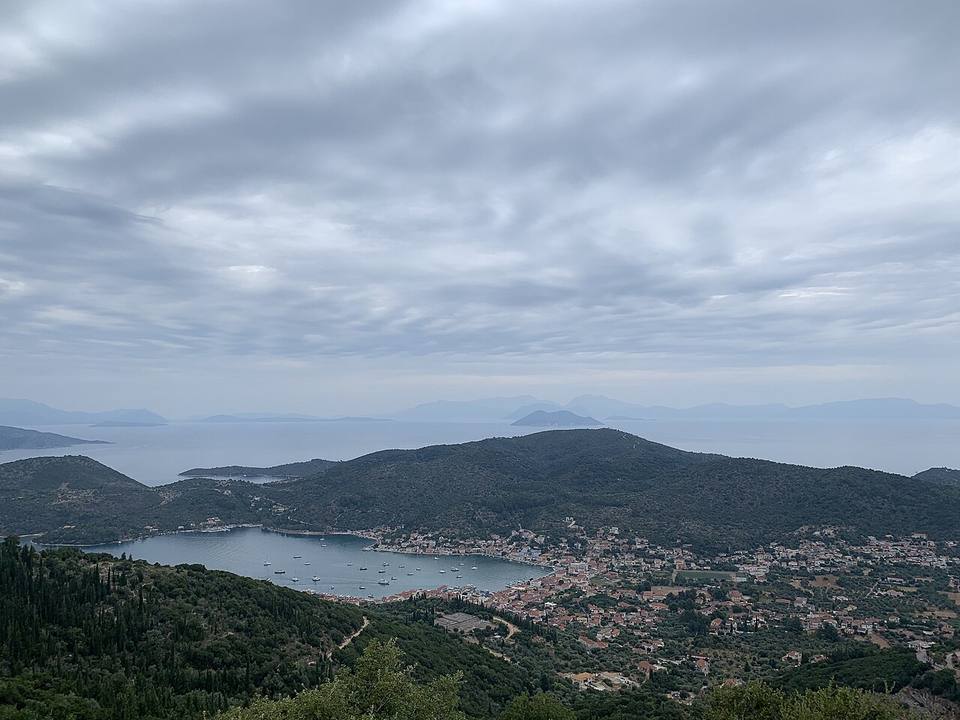
Fish and chips with mushy peas

FoodLondon, UK

Fish and chips

Jewish immigrants in London's East End opened the first shops in the 1860s, once wrapping it in old newspaper.
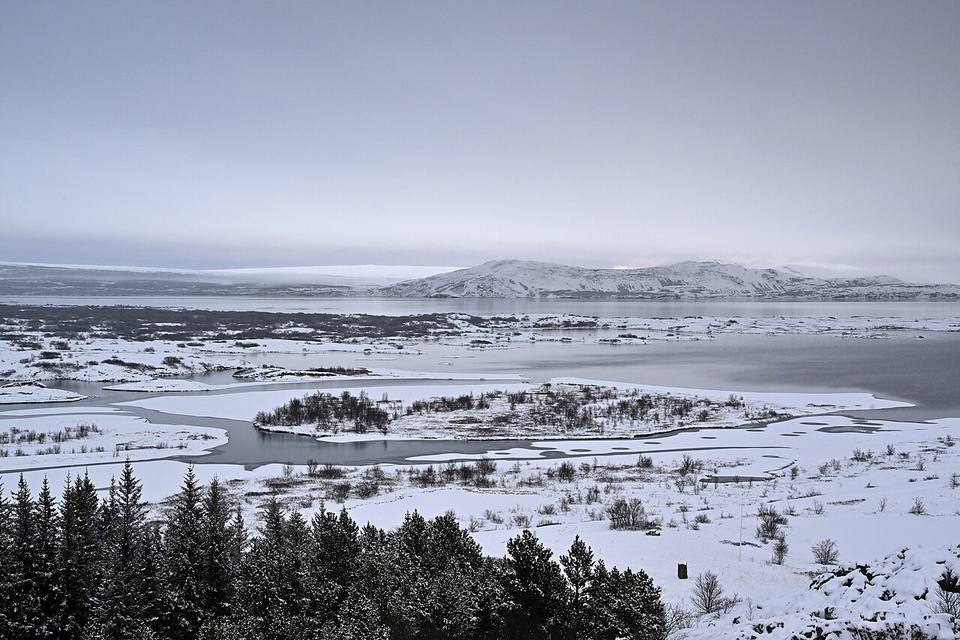
Paella valenciana

FoodValencia, Spain

Paella valenciana

Named after its pan; Valencians say only the version with rabbit and chicken is the real thing.

Pizza Margherita in Naples

FoodNaples, Italy

Neapolitan pizza

The original soft, thin pizza with a puffy rim — though the Margherita story may have been made up later.

Baguettes in a bakery

FoodParis, France

Baguette

A long loaf whose recipe is set by law, added to UNESCO's intangible heritage list in 2022.

The Anne Frank House on the Prinsengracht

Classic landmarkAmsterdam, Netherlands (Prinsengracht 263)

Anne Frank House

The secret annexe behind a bookcase where Anne Frank's family hid for two years and she wrote her diary.

Rijksmuseum

Classic landmarkAmsterdam, Netherlands (Museumplein)

Rijksmuseum

Treasure house of the Dutch Golden Age: Rembrandt's Night Watch and masterpieces by Vermeer and Hals are all here.

Prinsengracht

Classic landmarkAmsterdam (old city), Netherlands

The Amsterdam Canal Belt

Concentric half-rings of canals planned in the 17th-century Golden Age: the Herengracht, Keizersgracht and Prinsengracht, lined with gabled hous…

The Acropolis Museum seen from the Acropolis

Classic landmarkAthens (south slope of the Acropolis), Greece

Acropolis Museum

Ancient ruins beneath glass floors, and a glass gallery on the top floor facing the Parthenon.

Jerónimos Monastery

Classic landmarkLisbon (Belém), Portugal

Jerónimos Monastery

A Manueline masterpiece built with the riches of the spice trade, where Vasco da Gama is buried.

The Doge's Palace facing the lagoon

Classic landmarkVenice, Italy (Piazzetta San Marco)

Doge's Palace

The seat of power of the Venetian Republic: the doge's residence, council chambers, courts and prisons were all in this Gothic palace.

The façade of St Mark's Basilica

Classic landmarkVenice (St Mark's Square), Italy

St Mark's Basilica

The Venetian Republic's 'state chapel': golden mosaic domes and four bronze horses brought back from Constantinople.

The façade of Nymphenburg Palace

Classic landmarkMunich, Germany (Neuhausen-Nymphenburg)

Nymphenburg Palace

The Wittelsbachs' summer palace: its façade is wider than Versailles', and it was the birthplace of Ludwig II, the 'Fairy-Tale King'.

Marienplatz and the New Town Hall

Classic landmarkMunich (old town centre), Germany

Marienplatz and the New Town Hall

Munich's central square since 1158: the Glockenspiel in the New Town Hall tower re-enacts a 16th-century wedding and the coopers' dance.

Café Central in Palais Ferstel

CaféVienna, Austria (Café Central and other old cafés)

Viennese coffee houses

One coffee buys you an afternoon: marble tables, Thonet chairs, newspaper racks and a glass of water served with your coffee.

St Stephen's Cathedral

Classic landmarkVienna (Stephansplatz), Austria

St Stephen's Cathedral

A Viennese landmark with a coloured tiled roof, witness to many great events in Habsburg and Austrian history.

The Tower of London seen from the Thames

Classic landmarkLondon (north bank of the Thames), UK

Tower of London

William the Conqueror's White Tower: royal palace, prison, armoury and Crown Jewels, all in one castle.

Park Güell

Classic landmarkBarcelona, Spain (Gràcia)

Park Güell

Gaudí's naturalist work: a mosaic lizard, a serpentine bench and a hillside view over the whole city.

The Pantheon's portico and rotunda

Classic landmarkRome (Piazza della Rotonda), Italy

Pantheon

A concrete dome almost two thousand years old, still the largest unreinforced concrete dome in the world, with sunlight pouring in through the o…

The west front of Notre-Dame

Classic landmarkParis (Île de la Cité), France

Notre-Dame de Paris

The epitome of French Gothic: flying buttresses, rose windows and a nave reopened after the fire of 2019.

The counter and espresso machine of a Roman bar

CaféItaly (nationwide) (Rome)

Italian coffee bars

An espresso knocked back standing at the bar is how Italians start the day.

Nuremberg Christmas Market

Christmas marketNuremberg (Hauptmarkt), Germany

Nuremberg Christmas Market

November 27 – December 24, 2026

One of Germany's most famous Christmas markets: wooden huts on the old-town square, finger-length grilled sausages and the scent of gingerbread.

The Hacker beer tent on the Theresienwiese

Folk festivalMunich (Theresienwiese), Germany

Munich Oktoberfest

September 18 – October 3, 2027

The world's largest folk festival: giant beer tents on the Theresienwiese, Bavarian brass bands and a cry of 'O'zapft is!'

Carnival masks

CarnivalVenice, Italy

Carnival of Venice

January 23 – February 9, 2027

Put on a mask and a cloak, and step into the old Venetian Republic in St Mark's Square.

Explore this place further

Explore this place further

Food and local flavoursStories rooted in place

Explore this place further

Local legendsStories rooted in place

In myth, Athena, goddess of wisdom, and Poseidon, god of the sea, competed to be the city's protector. According to the ancient geographer Pausanias, the sculptures of the Parthenon's west pediment depicted this contest; the area of the neighbouring Erechtheion is said to have held Athena's sacred olive tree, and the temple honoured both Athena and Poseidon.

Places and connections

Related cities: Athens

Places to visit:

All · Local legends

The basilica's mosaics tell a story of 'predestination': an angel once foretold to St Mark that one day he would be buried in Venice. This legend gave Venice's possession of the saint's relics a 'divine mandate'. The basilica also has a pillar where, it is said, the relics were miraculously found again in 1094, a scene depicted in the mosaic opposite.

Places and connections

Related cities: Venice

Veneto

Places to visit:

All · Local legends

The lower level of the New Town Hall Glockenspiel shows the coopers' dance (Schäfflertanz). It is said that after a severe plague ended in 1517, the coopers danced in the streets to encourage frightened residents to come out of their homes again. Traditionally the dance is performed every seven years during Carnival; by 1700 it was already recorded as an 'old custom', though today's steps were only fixed in 1871.

Places and connections

Related cities: Munich

Places to visit:

All · Local legends

During the Ottoman siege of Vienna in 1683, Kulczycki dressed in Turkish clothes and crossed the enemy camp singing Ottoman songs to contact the relief army, and was hailed by the citizens as a hero. Legend says he used coffee beans left behind by the retreating Ottoman army to open Vienna's first coffee house. More recent research, however, suggests that Vienna's first coffee house was opened in 1685 by the Armenian Johannes Diodato.

Places and connections

Related cities: Vienna

Vienna

Places to visit:

All · Local legends
Explore this place further

Cultural itinerariesStories rooted in place

Places and connections

Start: London → Finish: Rome

Provinces / prefectures covered: Greater London · Île-de-France · Brussels-Capital Region · North Holland · Berlin · Prague · Vienna · Veneto · Tuscany · Lazio

Related cities: London Paris Brussels Amsterdam Berlin Prague Vienna Venice Florence Rome

Greater LondonÎle-de-FranceBrussels-Capital RegionNorth HollandBerlinPragueViennaVenetoTuscanyLazio

Places to visit:

All · Cultural itineraries