
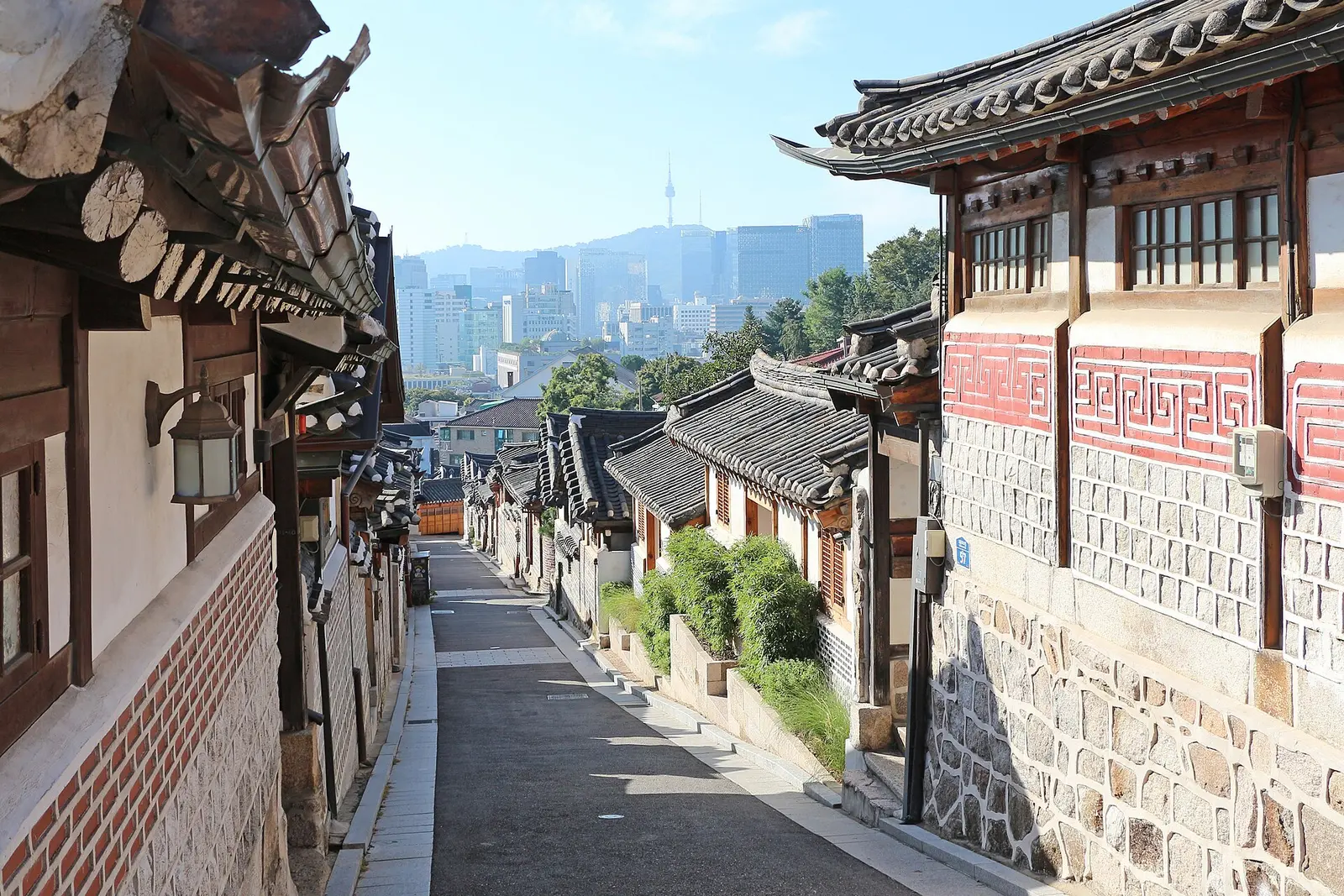
Bukchon Hanok Village
북촌한옥마을 · Jongno-gu, Seoul Special City, Korea
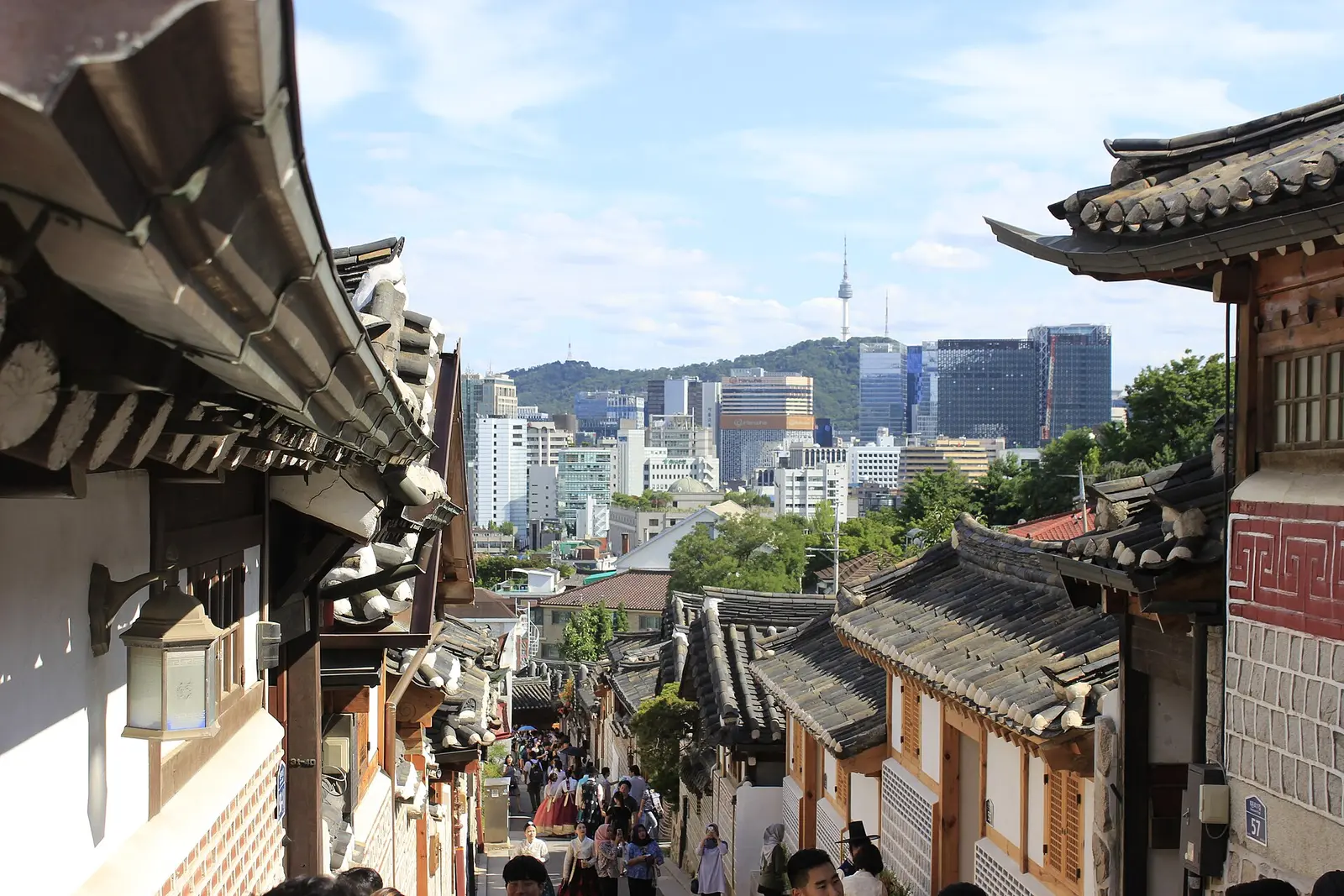
Hanok alleys between Gyeongbokgung and Changdeokgung, where people still live under century-old tiled roofs
Know before you go
- Do not tour the red zone during restricted hours
- do not push or knock on doors, or peer into or photograph residents' courtyards
- do not talk loudly, gather or linger, or leave rubbish in the alleys.
Culture
Culture & customs
Background
Bukchon means "northern village," named for its location north of Cheonggyecheon and Jongno, and covers Wonseo-dong, Jae-dong, Gye-dong, Gahoe-dong and other neighborhoods. It has long been a residential area for high officials and aristocrats of the Joseon dynasty; in the household register of 1906, 43.6% of residents belonged to this class. Many of the hanok you see today were built between the late 19th and early 20th centuries: around 1920, Jeong Se-gwon, founder of Geonyangsa, the first modern real estate company founded by a Korean, developed rows of small improved hanok here, fitted with glass windows and electric lights, so that Korean families of different incomes could live here and the area would not fall into Japanese hands. In 1983 it was designated a hanok preservation district, restricting new high-rises; after several rounds of relaxing and tightening, since 1999 it has been protected in a way that takes residents' views into account.
Local customs
Bukchon still has about 6,100 residents, but in 2024 it received 6.4 million visits, and overtourism has made life hard for residents. The area has many traditional craft workshops, such as studios that apply gold leaf to fabric. Seoul's official tourism website asks visitors to keep their voices down, not litter, keep groups under 10 people and respect residents' privacy.
Religion & beliefs
A residential neighborhood with no particular religious affiliation.
Etiquette & taboos
Etiquette & taboos
Don’t DON'T
- Do not tour the red zone during restricted hours
- do not push or knock on doors, or peer into or photograph residents' courtyards
- do not talk loudly, gather or linger, or leave rubbish in the alleys.
Locals appreciate DO
- Visit after 10 a.m. and walk the slopes around Gahoe-dong and Bukchon-ro 11-gil to see the layered tiled roofs
- visit the traditional workshops and cultural centers that are open to the public to learn how hanok are built
- keep away from house entrances when taking photos
Plan your visit
Practical info
Travel tips
- Jongno-gu has designated Bukchon a special management area: in the roughly 34,000 m² "red zone" around Bukchon-ro 11-gil, tourists are barred from 17:00 to 10:00 the next day every day, and from March 1, 2025, violators are fined 100,000 won (as announced by Jongno-gu and the Seoul Metropolitan Government)
- chartered tour buses are banned all day on about 2.3 km of roads including Bukchon-ro. Residents also ask that the alleys be allowed to "rest" on Sundays. Anguk Station on Subway Line 3 is closest. A leisurely stroll takes about 1.5–2 hours, and you can combine it with Gyeongbokgung and Changdeokgung for a full day.
Photos
Photos
Bgag · CC0
Trainholic · CC BY-SA 3.0
Sources & verification notes
Wikipedia: Bukchon Hanok Village
Seoul Metropolitan Government: Bukchon Special Management Zone
How do you like this place?
More nearby
Also in Seoul
Nearby sights
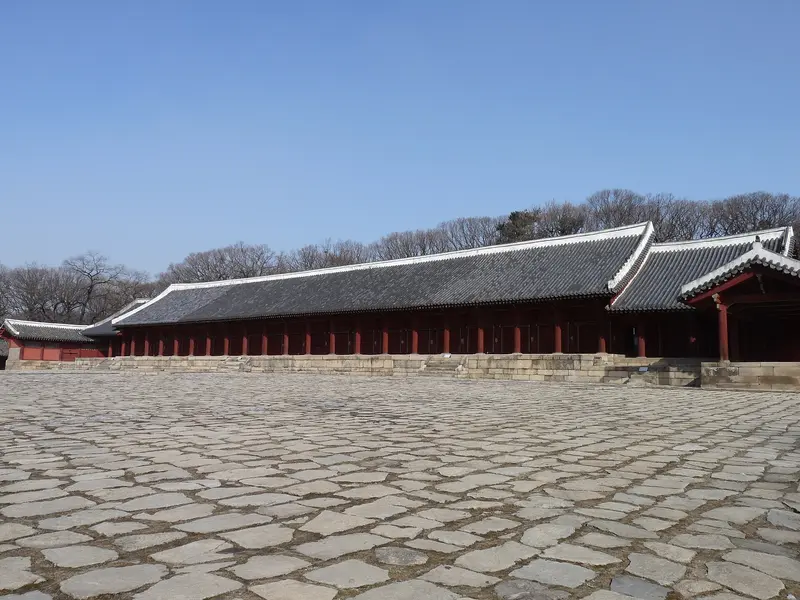
Jongmyo Shrine
The Confucian royal shrine holding the spirit tablets of the Joseon kings, where the ancestral rites and their ritual music continue to this day
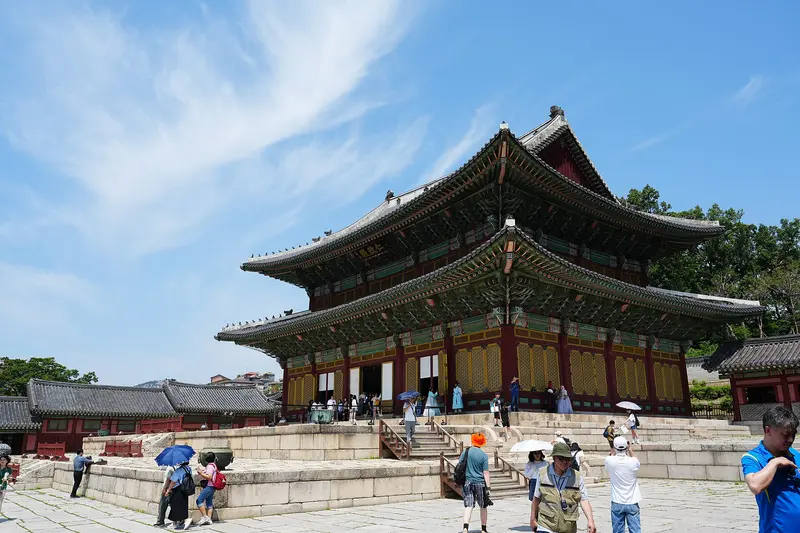
Changdeokgung Palace
The palace where the most Joseon kings actually lived, built to follow the lie of the hills, with a rear garden of 300-year-old trees
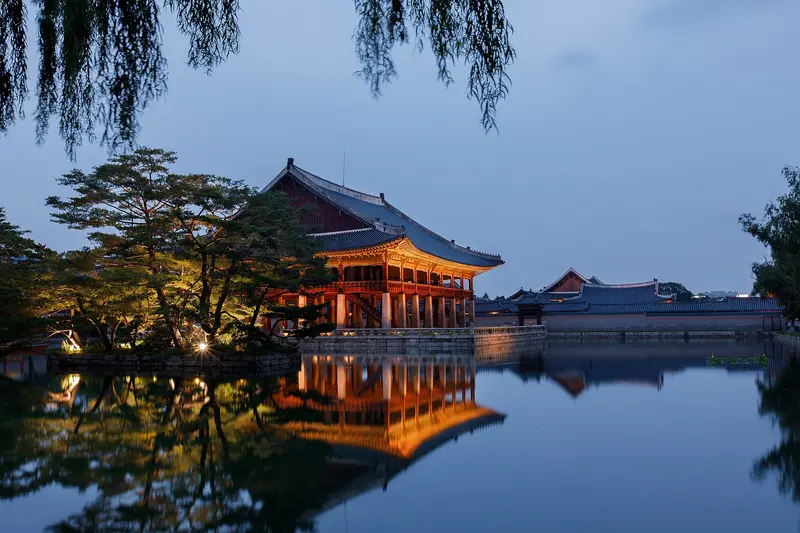
Gyeongbokgung Palace
The first main palace of the Joseon dynasty, where King Sejong created the Korean alphabet; three gates and three courts unfold along its centra…