
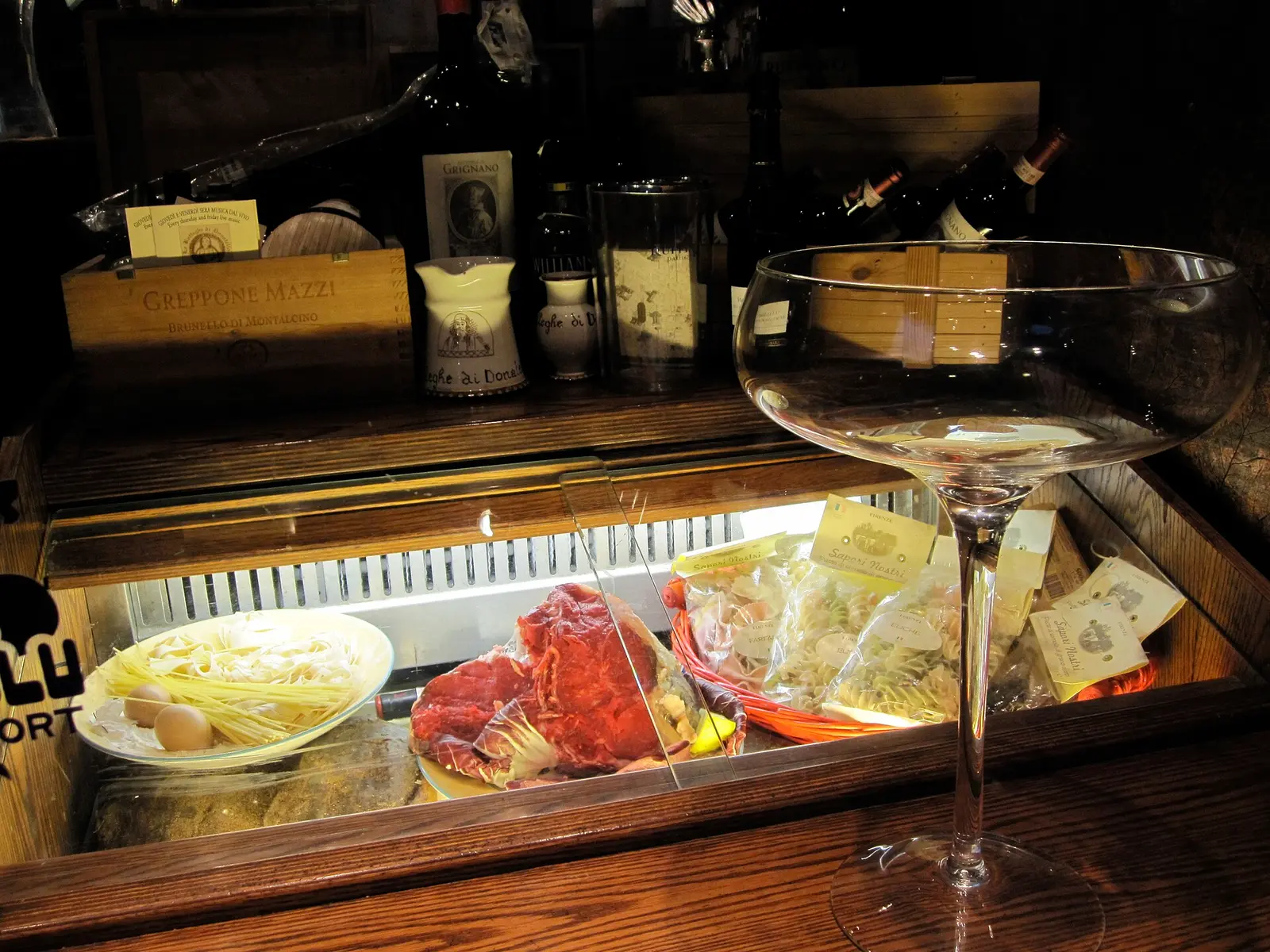
Bistecca alla fiorentina (Florentine T-bone steak)
Bistecca alla fiorentina · Florence, Italy
A huge T-bone steak several fingers thick, grilled over charcoal to 'al sangue' (rare) and ordered by weight.
Know before you go
- Don't ask for well-done—many restaurants will decline or suggest you choose another dish
- don't order just a small piece and then complain (it is cut as a whole bone-in steak)
- don't pick up the bone at the table and gnaw at it with your hands (you can ask the waiter to cut the meat off the bone)
This article is Not yet verified. Please check official announcements for prices, opening hours and dates.
Culture
Culture & customs
Background
Bistecca alla fiorentina is one of the most famous dishes of Tuscan cuisine: a thick bone-in cut from the loin of a calf or young steer, with a T-shaped bone in the middle, fillet on one side and sirloin on the other, traditionally from Chianina cattle, grilled over charcoal and usually cooked “al sangue” (rare). Italian Wikipedia cites the 19th-century gastronome Artusi as saying that the word “bistecca” comes from the English “beef-steak”. As for its history, a popular story links it to the Feast of San Lorenzo and the Medici family: every 10 August great bonfires were lit in the city and large amounts of beef roasted and distributed to citizens, and the English in Florence at the time called it “beef steak”. Such stories are largely legend, but the link between the steak, Florence and the Tuscan cattle-raising tradition is widely recognized.
Local customs
- The steak is priced by weight, and one is often over a kilogram, suitable for two or three people to share
- the chef usually seasons it only with salt, pepper and olive oil, grills both sides first, then stands it up to grill the bone side
- at the table it is sliced and shared, often with white beans, roast potatoes or salad, and Tuscan red wine.
Religion & beliefs
- Bistecca alla fiorentina itself has nothing to do with religion
- the popular origin story is linked to the Feast of San Lorenzo on 10 August, and the Basilica of San Lorenzo was also the Medici family church, so dress appropriately when visiting. In the Catholic tradition, some people also avoid large cuts of red meat like this when abstaining on Fridays.
Etiquette & taboos
Etiquette & taboos
Rules that apply here
Italy: Cover shoulders and knees in churches – the Vatican turns away those who do not
Do
- Cover your shoulders and knees, whether you are a man or a woman
- Take off your hat before going in
- Carry a scarf or cardigan and put it on before entering
- Switch your phone to silent and keep quiet
- Smaller churches vary: follow the notices and staff
Don’t
- Don't wear sleeveless or low-cut tops, shorts above the knee or miniskirts
- Don't walk around or take photos during Mass
The Vatican Museums, Sistine Chapel and St Peter's Basilica admit only appropriately dressed visitors and check at the door, so you can be stopped even after queuing; other major cathedrals often check too.
Verified Oct 19, 2026Source: Official site: Vatican Museums – Useful advice
Rome's Spanish Steps: no sitting, eating or drinking
Do
- Walk up the steps and keep moving after your photo
Don’t
- Sitting, resting, eating or drinking on the steps
Banned by Rome's urban police regulations since 2019; media report fines of €250, rising to €400 for dirtying or damaging the steps.
Verified Oct 19, 2026Source: ANSA: Rome bans sitting on the Spanish Steps (2019)
Don’t DON'T
- Don't ask for well-done—many restaurants will decline or suggest you choose another dish
- don't order just a small piece and then complain (it is cut as a whole bone-in steak)
- don't pick up the bone at the table and gnaw at it with your hands (you can ask the waiter to cut the meat off the bone)
- don't forget to check the price per 100 grams on the menu.
Locals appreciate DO
- Florentines appreciate diners who order it the traditional way, “al sangue” (rare), with several people sharing one large cut
- asking about the origin and weight of the beef and listening to the waiter's advice on portions makes ordering much smoother. The whole steak is often shown to the table before being carved, a common way of serving it.
Plan your visit
Practical info
Travel tips
- Florence's old town, the San Lorenzo Central Market and the Oltrarno area have many long-established steak houses
- a meal takes about an hour and a half, and popular places need booking for dinner. Before ordering, check whether the menu price is per 100 grams or per kilogram
- the waiter will show you the whole raw cut to confirm the weight. You can combine it with the Basilica of San Lorenzo, the Central Market and the Ponte Vecchio. Dietary notes: the traditional doneness is “al sangue”, almost raw in the center, so pregnant women, children and people with weaker immunity can ask the chef to cook it more or order another dish
- it is not suitable if you do not eat beef
- Tuscan red wine contains alcohol. Prices and opening hours are set by each restaurant
- popular old shops often have queues, so going outside peak mealtimes is more relaxed.
How do you like this place?
More nearby
Also in Italy
Nearby sights
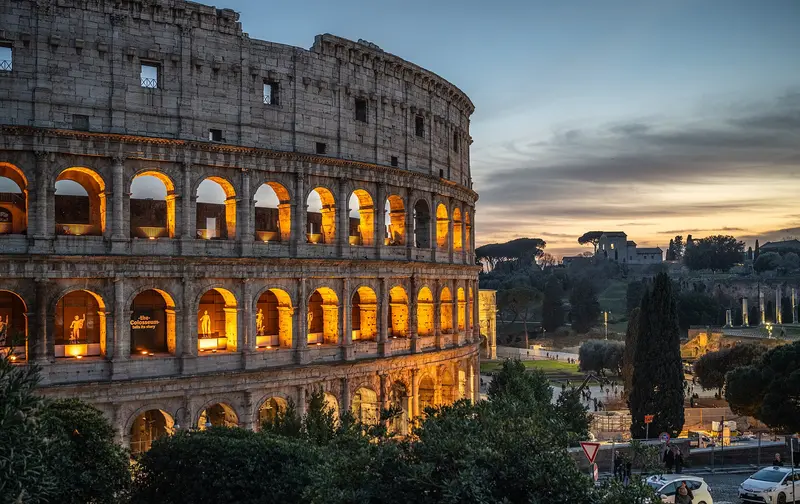
Colosseum
The heart of the empire, where gladiators' cries still seem to echo among the arches
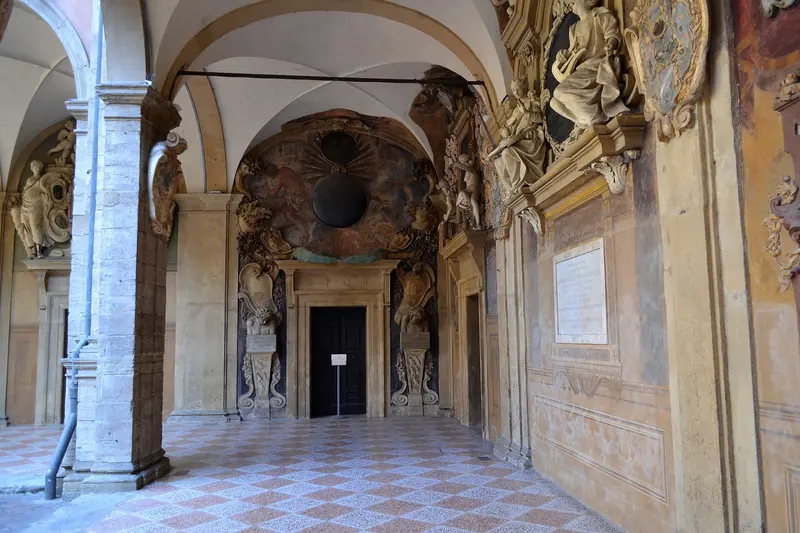
Archiginnasio of Bologna
Step into the old seat of the University of Bologna and understand its lecture halls, anatomical theatre and today's municipal library.
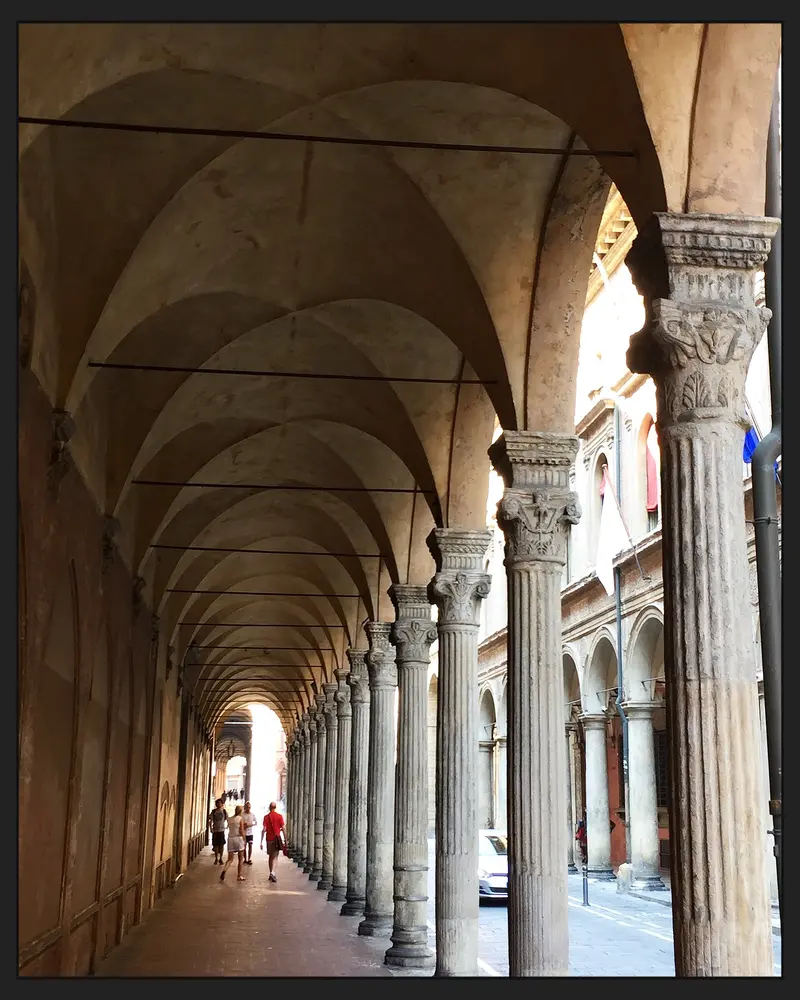
Porticoes of Bologna
Walk the covered walkways still in everyday use and see nine centuries of city life in Bologna.
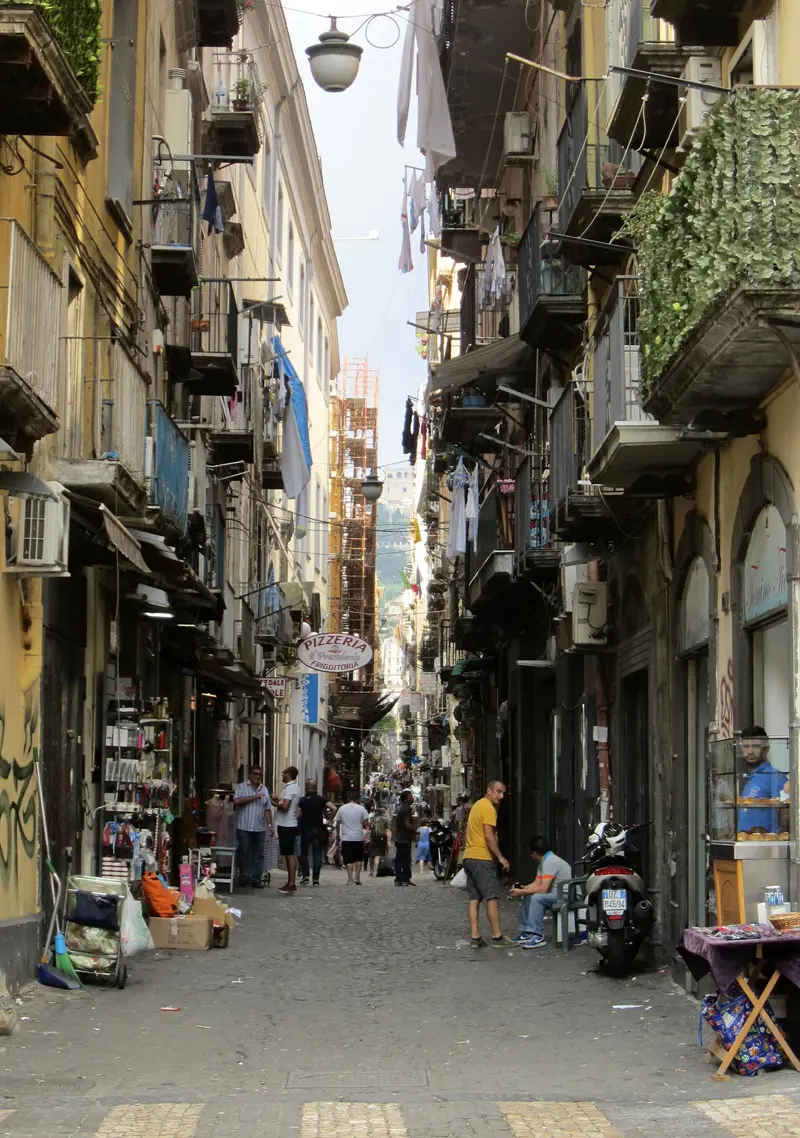
Historic Centre of Naples
Follow a Greek street grid that is still in use and read the layered history of a port city across antiquity, the Middle Ages and the modern era…
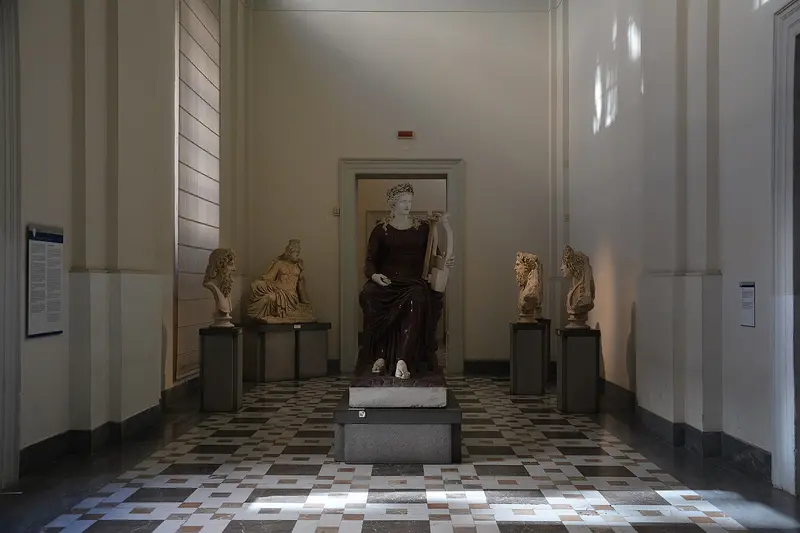
Naples National Archaeological Museum
See the ruined city at Pompeii first, then come back to the museum to see how frescoes, mosaics and everyday objects tell the story of life ther…
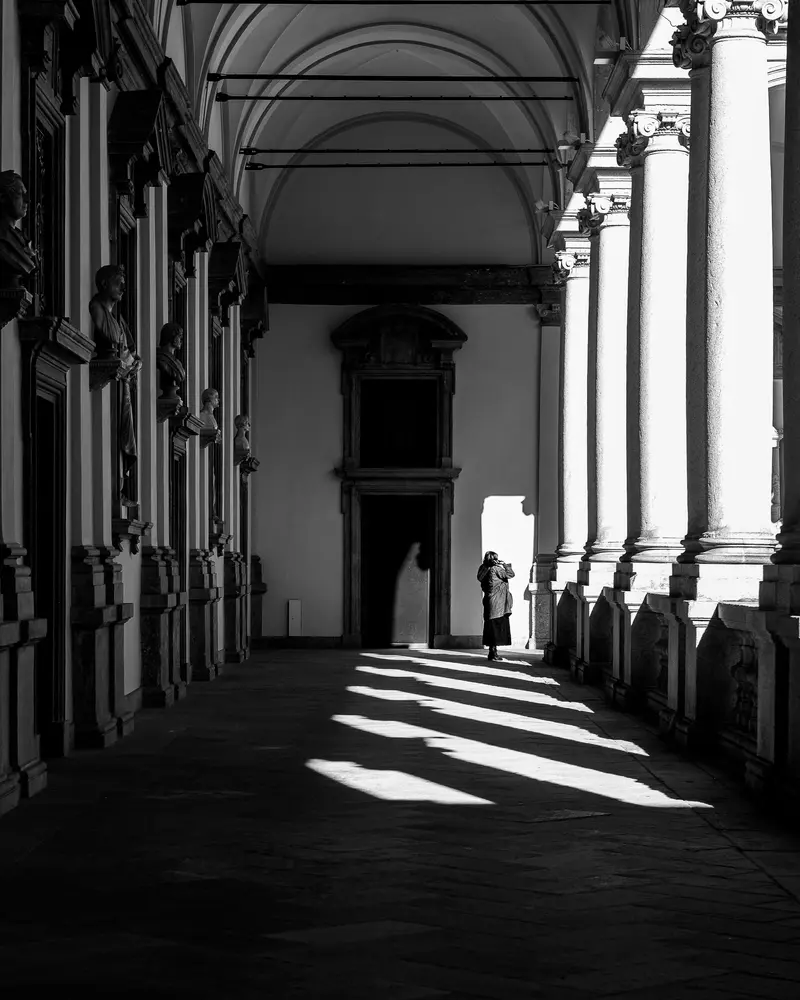
Pinacoteca di Brera, Milan
Read Italian painting in the former home of Milan's art academy, and discover how this public gallery grew out of teaching.
Local legends
 Roman ForumRomulus and the ForumAccording to Rome's founding legend, the city was founded by the twins Romulus and Remus, who we…
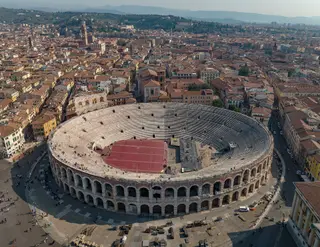 VeronaRomeo and JulietRomeo Montague and Juliet Capulet are fictional characters from Shakespeare's play, and the feud…
 Val d'OrciaGhino di Tacco, the brigand-heroRadicofani was home to the medieval brigand-hero Ghino di Tacco, and local tales tell of him rob…
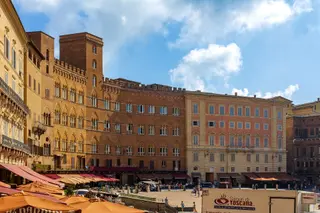 SienaFounded by the sons of RemusAccording to local legend, Siena was founded by Senius and Aschius, the two sons of Remus. The s…
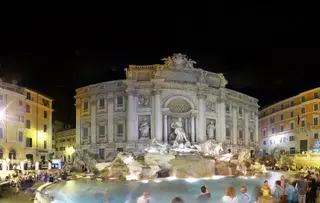 Trevi FountainStories of Trevi FountainFirst, to be clear: the coin story below is legend and custom, not history. Legend has it that w…
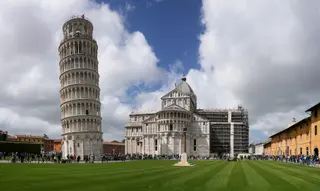 Leaning Tower of PisaStories of Leaning Tower of PisaTo be clear at the outset: Galileo dropping iron balls from the Leaning Tower is most likely leg…