
Okinawa · Sacred site / World Heritage
Sefa Utaki
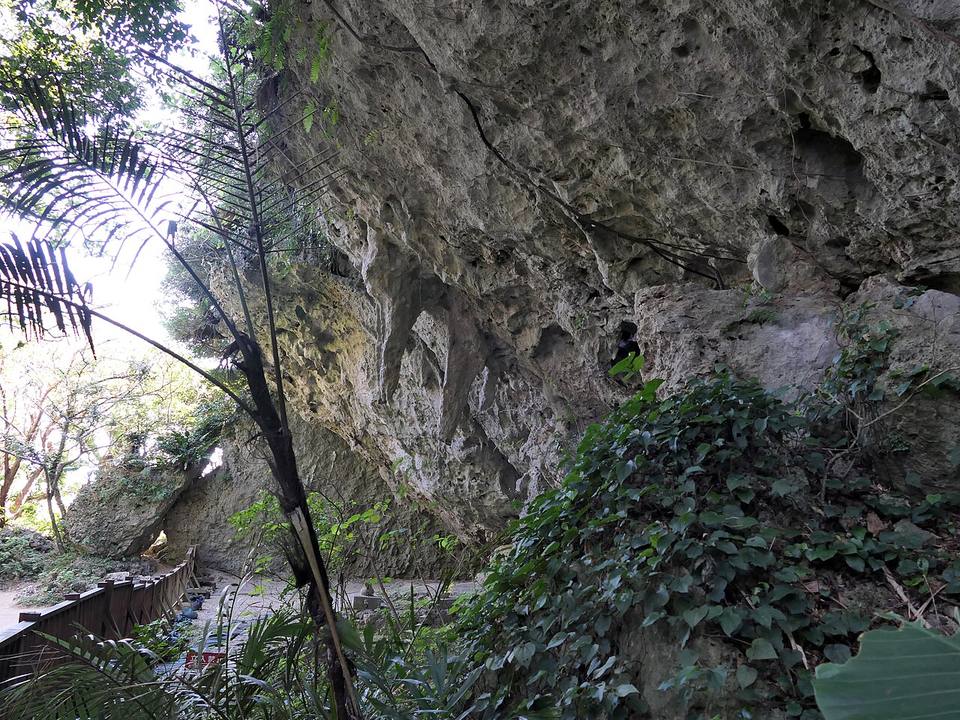
The highest sacred site of the Ryukyu Kingdom; pass through the triangular opening pinched between two great rocks and look out to Kudaka Island — this is still a place of prayer, not a scenic-ized ruin.
Location
Nanjo City, Okinawa Prefecture
Stories and legends
Creation myths — the descent of the Ryukyuan creator deity Amamikyu and the pilgrimages of the Kikoe-ōkimi — are bound to this place; they belong to Ryukyuan mythology.
History and context
Sefa Utaki was a national-level sacred and ritual site of the Ryukyu Kingdom era, taking shape in the 15th–16th centuries; six "ibi" (sanctuaries), including Ufugūi, Yuinchi and Sangui, are scattered through the forest. Royal pilgrimages and the investiture of the highest priestess, the Kikoe-ōkimi, were held here. In 2000 it was inscribed as part of the World Heritage "Gusuku Sites and Related Properties of the Kingdom of Ryukyu." Since 2019, entry requires buying a ticket at the Nanjo City regional products hall and watching an explanatory video first, with numbers and areas controlled.
Local life
Utaki's ethos is "quiet enough to hear the wind through the rock seams": no gorgeous shrine architecture, only great rocks, banyan trees, and stone paths — the sacredness comes from restraint. Believers (descendants of noro priestesses and local worshippers) still pray here today, and visitors are reminded again and again that "you are a worshipper first and a tourist second" — a positioning rare among Japanese scenic sites.
Customs
On entering, watch the etiquette video first; follow the one-way route to worship at each ibi, and give local worshippers priority.
Beliefs
The indigenous Ryukyuan faith (utaki belief / ancestor spirits and nature gods), not the Shinto shrine system; the highest priesthood, the Kikoe-ōkimi, is female, reflecting Ryukyu's ritual governance and female-priest tradition.
Local etiquette
Strictly no touching or leaning on the sacred rocks and ritual implements, and no entering the roped-off sanctuaries; no eating or drinking anywhere on site, no loud talking or horseplay; photography only in designated areas and no tripods; avoid overly revealing clothing (sacred-site etiquette).
Visiting notes
The bus from Naha to the Sefa Utaki entrance takes about 1 hour; weekday mornings are best; the triangular rock passage (Sangui) is one-way, and after rain the stone is extremely slippery — wear non-slip shoes; fitting Chinen Cape and Gyokusendo Cave into the same line requires budgeting time.
What to eat nearby
Okinawa soba; local seafood around Nanjo (near Chinen fishing port); Okinawan tempura (沖縄天ぷら, thick batter, fine eaten cold); brown-sugar sweets; island tofu dishes
Small shops around Chinen Cape / Sefa Utaki, the Nanjo City products hall, Oujima Island (a small island famous for tempura, on the way)
Oujima tempura is mostly freshly fried at stalls and eaten standing — take your trash with you; no food or drink inside the sacred site, so eat after coming back down
Set meals 1,200–1,800 yen (about 56–85 yuan, for reference only)
The ticket includes the products-hall video — allow 15 minutes; the forest is hot and humid in summer, so bring water, but drinking is allowed only outside the grounds per on-site rules.
Source leads: Nanjo City official site, Sefa Utaki official introduction, UNESCO materials on the Ryukyu Kingdom heritage.
Image source · Hyppolyte de Saint-Rambert · CC BY 4.0