
Norse Mythology · War myth / belief in the chosen slain
Valkyries and the Einherjar
They ride the clouds on horseback and call the roll on the battlefield — the dead they choose are not going to rest, but to an eternal training ground.
Stories and legends
The valkyries (Valkyrja, "choosers of the slain") are Odin's handmaidens and the sovereigns of the battlefield. The poems describe them so: helmets flashing, spears like lightning, riding over sky and sea, their armour spattered with rain of blood; and their very names are the vocabulary of war — Hildr (battle), Gunnr (onslaught), Róta (tumult), and Skuld (fate/debt, the youngest of the Norns, who is also numbered among the valkyries). The warriors they call by name become einherjar, training every day in Valhalla and feasting at dusk (see entry 24). But the valkyries' most moving stories are precisely the moments they disobey orders: Brynhildr (also named Sigrdrífa), going her own way in the marriage and victory Odin had arranged, caused a king who should not have won to fall; Odin punished her with a sleep of thorns, and she slumbered on a mountain ringed with fire, waiting for the destined hero Sigurðr to cross the flames and wake her — their love and betrayal sustain the whole main line of the Saga of the Völsungs and Wagner's Ring of the Nibelung. She who chose others' deaths died at last by her own choice: the tragedy of the valkyries is a crack the Norse myths leave in the narrative of war.
Origins of the story
The Poetic Edda · Grímnismál lists the valkyries by name, and the Seeress's Prophecy has a passage of the valkyries in array; Brynhildr's story is found in the Saga of the Völsungs and the Sigurðr poems of the Poetic Edda, and its historical prototype may be connected with the 6th-century Frankish queen Brunhilda (a scholarly hypothesis). Archaeologically, grave Bj 581 at Birka in Sweden was confirmed by DNA in 2017 to be the grave of a female Viking warrior, sparking a great discussion of "whether women warriors actually existed" — whether the grave's occupant was a commander, and its relation to valkyrie belief, are both unsettled, and citations must label the controversy; it must not be written that "the valkyries have been proven."
Customs
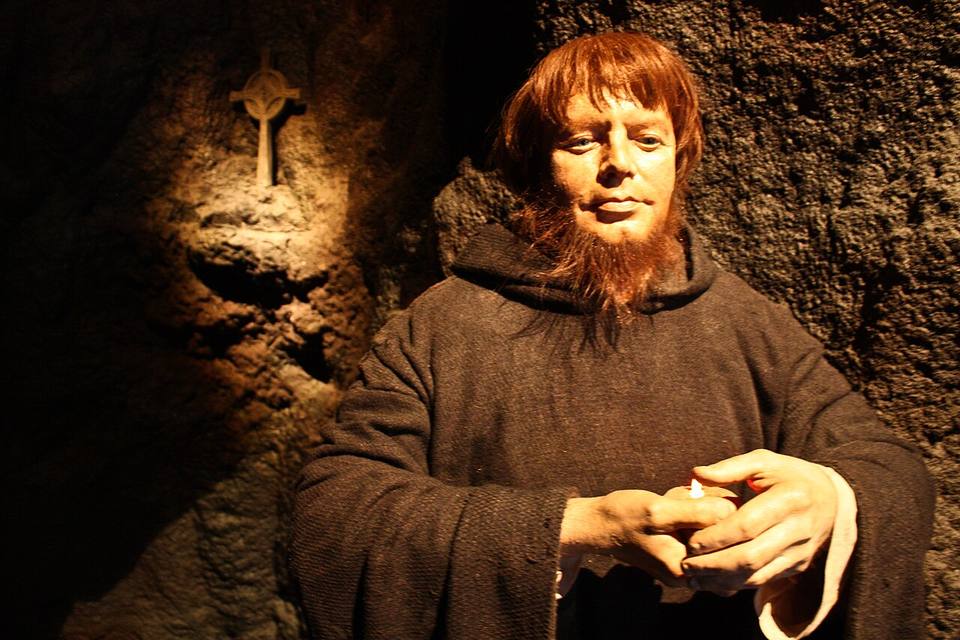
Some scenes at the Saga Museum contain images of violence and execution — check the age-rating notices before bringing young children; costume-experience weapon props may be used only in the designated photo areas — do not carry them out of the museum and brandish them; saga farmstead remains mostly lie on private farmland, so do not cross fences without permission.
Places you can visit
The Saga Museum in Reykjavík (Grandagarður 2, wax-figure saga scenes and a Viking costume experience; admission for reference only); the Settlement Centre in Borgarnes (the Egil's Saga exhibition); the Saga Centre in Hvolsvöllur (the stage of Njál's Saga); the National Museum of Iceland. Most saga sites are open-country place names and explanatory plaques without surviving buildings, so expectations should be managed as "literary geography." Opening times at each museum are as officially announced each year.
Image source · Shadowgate · CC BY 2.0