
Japanese Mythology · Tales of yōkai
The Night Parade of One Hundred Demons in Heian-kyō
What Heian-kyō feared most was not bandits, but a street late at night where old objects, come to life, marched in procession.
Stories and legends
People of the Heian period believed that an implement used for a full hundred years gains a spirit; these are the tsukumogami. The worn umbrellas, old straw sandals, broken koto, and bald brooms carelessly thrown away during the year-end great cleaning (susuharai) accumulated their resentment around Ichijō-dōri, and one night they all suddenly took form: the lantern demon led the way holding a lantern high, one-eyed little monks hopped along, the ittan-momen fluttered and coiled through the air, the umbrella demon laughed with its tongue lolling out — the procession was vast, with the faint sound of drums and gongs. This is the Night Parade of One Hundred Demons (Hyakki Yagyō). The tale tells of a young nobleman who did not believe and secretly watched the parade late at night; after meeting the demons' gaze he died suddenly (one version says his soul was carried off). The Uji Shūi Monogatari and other collections also record eyewitness accounts of encountering the procession near the Great Ichijō Bridge. The onmyōji Abe no Seimei was cast by later generations in the role of "foreseeing the night parade and setting wards to protect the palace" — there is no such event in the official histories; it is a layer of Seimei legend accumulated from the Konjaku Monogatarishū onward. The story's "ending" is that there is no ending: the only countermeasures were avoidance — do not go out at night, recite sutras, and place straw sandals upside down to ward off evil. Thus the Night Parade became the first master-theme of Japanese yōkai culture: the Night Parade Picture Scrolls drew the procession into long scrolls, and Mizuki Shigeru's Kitarō, and today's anime and games, are still making this procession march on.
Origins of the story
The term "Night Parade of One Hundred Demons" appears in the setsuwa literature from the late Heian to the Kamakura period and in works such as the Tsurezuregusa; the tsukumogami were systematised in the Muromachi-period Tsukumogami-ki and in Toriyama Sekien's Edo-period Illustrated Night Parade of One Hundred Demons (画图百鬼夜行). Ichijō-dōri was the great avenue at the northern boundary of Heian-kyō, beyond which lay cemeteries and dumping grounds for discarded objects — the geographical reason it became the stage for yōkai (the standard explanation in folklore studies). Seimei Shrine was founded by later generations on the site of Seimei's residence (by one account); the present shrine buildings belong to a modern rebuilding system.
Customs
Yōkai Street is an ordinary residential shopping street — ask the shopkeepers' permission before photographing the yōkai figures at their shopfronts, and do not make loud noise at night that disturbs residents; worship at Seimei Shrine follows two bows, two claps, one bow, and do not touch sacred objects other than the water-drawing facilities of the Seimei Well; when joining yōkai events in cosplay, follow the organisers' routes and curfews, and do not enter solemn festival areas in costume.
Places you can visit
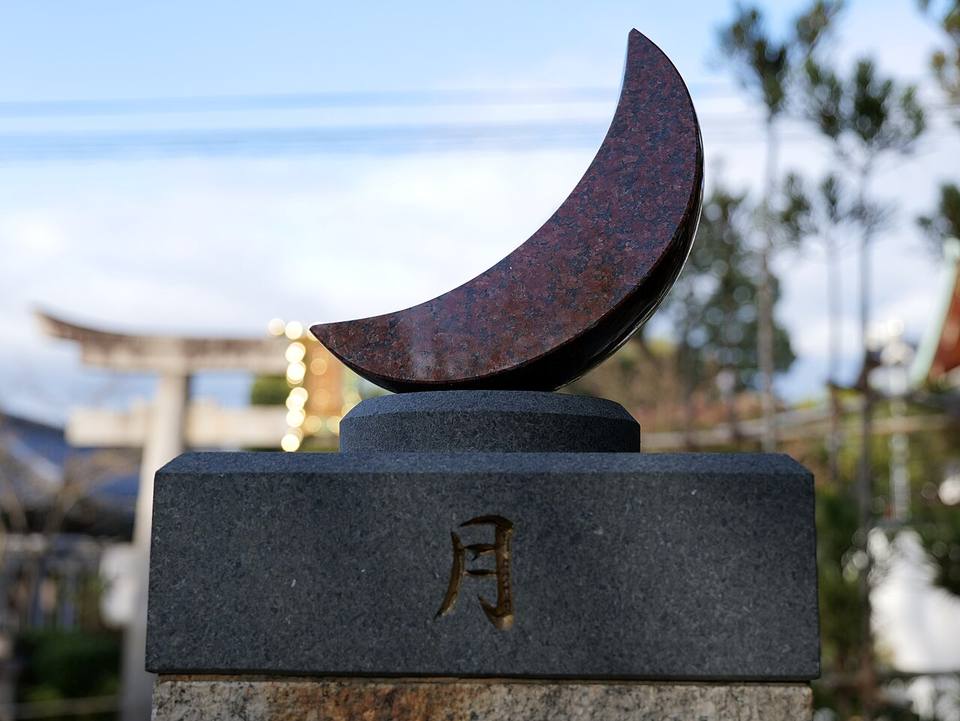
Ichijō-dōri's Taishōgun shopping street in Kamigyō Ward, Kyoto (the "Ichijō Yōkai Street," about 400 m, with handmade yōkai figures at the shopfronts and the Yōkai-dō); Seimei Shrine (the five-pointed star crest, the Seimei Well); the market in front of Kitano Tenmangū can be visited along the way. It must be stated truthfully: the "Ichijō Night Parade of One Hundred Demons" procession on Ichijō-dōri has been suspended in recent years for reasons including safety (there are public reports of the cancellation of the spring 2025 session); whether it resumes is as officially announced each year. Alternative living activities include the "Uzumasa Night Parade of One Hundred Demons" at Toei Kyoto Studio Park's Kai-Kai Yokai Festival, with schedules as officially announced each year.
Image source · Hyppolyte de Saint-Rambert · CC BY 4.0