
Japanese Mythology · Tales of yōkai / folklore record
Tales of Tōno: Kappa and Zashiki-warashi
One slim, privately published book of fieldwork from 1910 turned the kappa, the zashiki-warashi, and the mountain folk of one mountain village into the shared memory of all Japan.
Stories and legends
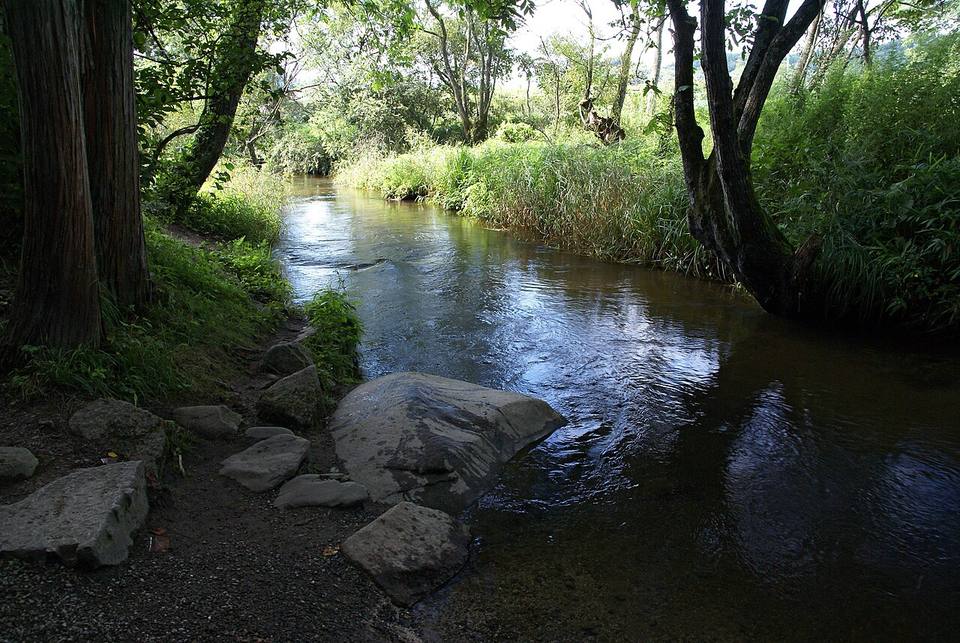
By the rivers of Tōno is Kappa Pool (Kappa-buchi). The kappa, with a dish of water on its head and a body green as a frog, loves mischief best of all: dragging horses' legs into the water, stealing cucumbers, and sumo-wrestling with people. The legend tells of a household whose horse was dragged into the pool by a kappa; the horse bolted ashore in fright, and the kappa was dragged instead to the stable, where the master held a blade to it and forced it to swear never again to harm that household's horses — the oath-swearing kappa is the gentle, Tōno kind. Tales of Tōno also says that if a kappa's child is born in a human home, it is buried in the earth (a chilling narrative of infant abandonment, which scholars mostly read as a shadow of old-time poverty). The zashiki-warashi lives in the house: deep in the zashiki (guest room) of a great household, paper rustles at night and a spinning wheel sounds, and a child-like figure flits past. The household that sees her (said to be a girl) prospers; when she leaves, the house declines — one family, after the child left, died of food poisoning to the last but one. There are also fox-possessed families, the goddess of Mount Hayachine, the mountain folk of Samuto village… Yanagita Kunio wrote in his preface: may these tales be told to the people of the plains, to make their flesh creep. Tōno's yōkai do not level up by slaying monsters; they simply live under the same roof as humans and drink from the same river.
Origins of the story
Tales of Tōno (远野物语) was privately published in 1910 — heard and written down by Yanagita Kunio from the oral narration of Sasaki Kizen (Kyōseki), a native of Tōno — 119 tales in all, and is recognised as the founding work of Japanese folklore studies. The kappa's image was already nationwide in the Edo period (the suiko pictorial system), and the Tōno version was fixed by this book. The "household prospers while she stays / declines when she leaves" structure of the zashiki-warashi cross-refers with zashiki-warashi belief elsewhere in the Tōhoku region (such as Ninohe in Iwate), and this book is its most famous textual source.
Customs
At the waterside of Kappa-buchi, do not actually cast a hook to fish for "kappa" and harm the aquatic life — for the experience, use the rod as its rules prescribe; the Oshirasama of Denshōen are objects of farming families' faith — do not touch them or mimic them playfully; magariya are preserved dwellings — take off your shoes and do not enter unopened partitioned rooms; village lanes are unlit at night, so do not walk alone by the river after dark "hunting yōkai."
Places you can visit
Kappa-buchi in Tōno City, Iwate Prefecture (the stream behind Jōkenji temple, with a kappa statue and a kappa-fishing experience; the kappa-catching licence is a playful culture-and-tourism product of the Tōno tourism association); the Tōno Tales Village (the Tōno Municipal Museum, the Tōno Tales Hall / Mukashibanashi-gura, exhibitions at Yanagita Kunio's former residence); Denshōen (the Lore Garden, with the White-Robed Kannon and the thousand enshrined Oshirasama deity figures); Nanbu magariya houses (L-shaped farmhouses where horses and people live under one roof, such as the Kikuchi family magariya). Opening days and guided-tour sessions at each facility are as officially announced each year.
Image source · 663highland · CC BY 2.5